
Last Tuesday during our outdoor playtime, something amazing happened that perfectly illustrates the magic of encouraging child sports talents in young children. Four-year-old Marcus, who usually preferred quiet activities like puzzles and drawing, suddenly discovered he could kick a soccer ball with incredible accuracy. His face lit up with pure joy as he scored goal after goal, and by the end of the session, he was asking when he could play again tomorrow. That spontaneous moment reminded me how athletic abilities can emerge unexpectedly when children feel safe to explore and experiment with movement.
Here at Apple Tree Pre-School BSD, we believe every child has unique physical talents waiting to be discovered and nurtured. Encouraging child sports talents isn’t about creating future Olympic athletes or pushing kids into competitive sports too early. It’s about helping children develop confidence, coordination, and joy in movement while discovering what activities make their hearts sing.
The beauty of working with young children is witnessing those magical moments when they surprise themselves with their own abilities. Whether it’s the naturally cautious child who discovers they love climbing, or the energetic kiddo who finds focus through martial arts, athletic development in early childhood opens doors to lifelong physical wellness and self-confidence.
1. Recognizing Early Signs of Athletic Interest and Ability
Encouraging child sports talents starts with careful observation of your child’s natural movement patterns and preferences. At our location in the Educenter BSD Building, we watch for subtle indicators that suggest where a child’s physical interests might lie.
Some children show natural coordination and balance from an early age, while others demonstrate exceptional hand-eye coordination or unusual speed and agility. The key is noticing what brings your child joy rather than focusing solely on performance or comparison to other children.
Early Athletic Interest Indicators:
- Gravitates toward specific types of movement activities during free play
- Shows persistence when practicing physical skills, even when challenging
- Demonstrates natural coordination or unusual strength for their age
- Expresses excitement or enthusiasm about sports they see others playing
- Shows leadership qualities during group physical activities
- Displays competitive spirit in age-appropriate ways
Remember that talent can emerge at different times and in unexpected forms. The child who seems uninterested in traditional ball sports might have incredible potential in dance, gymnastics, or individual sports that haven’t been introduced yet.
Understanding Different Types of Athletic Abilities
Physical talents come in many forms, and recognizing your child’s specific strengths helps guide encouraging child sports talents effectively. Some children excel in activities requiring power and strength, while others shine in sports demanding precision and finesse.
Gross motor skills involve large muscle groups and include running, jumping, throwing, and kicking. Fine motor coordination affects skills like catching small objects, precise throwing, and sports requiring detailed hand-eye coordination.
Balance and spatial awareness represent another category of athletic ability that supports success in gymnastics, dance, martial arts, and many team sports. Children with strong spatial skills often excel in activities requiring body awareness and coordination.
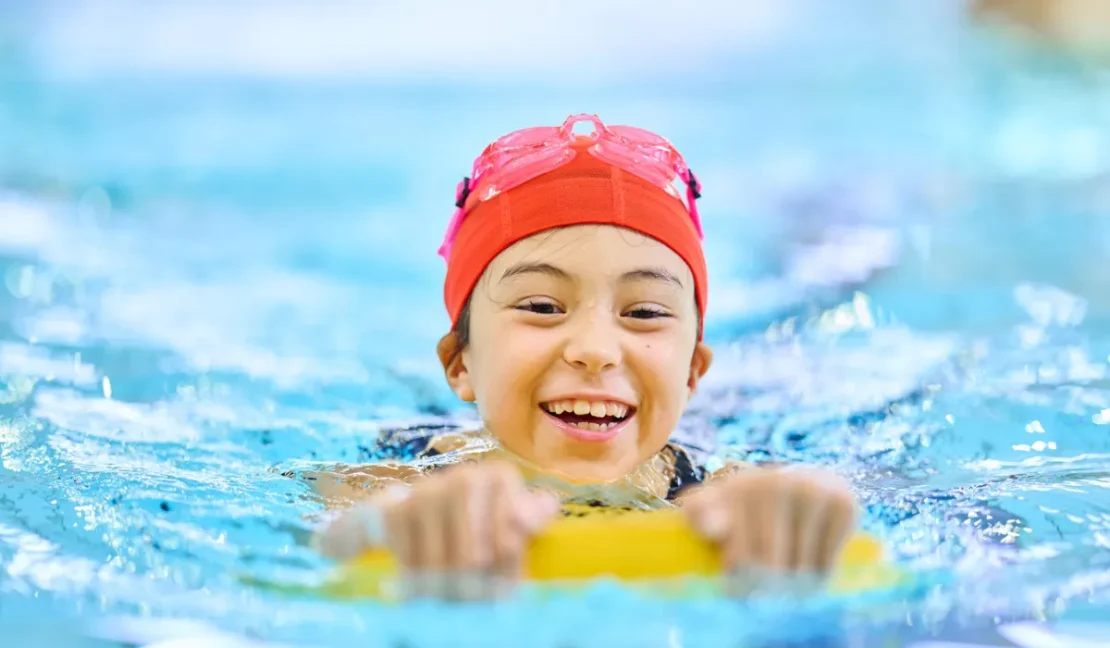
Image Source: Canva
2. Creating a Supportive Environment for Athletic Development
The foundation of encouraging child sports talents lies in creating an environment where children feel safe to try new activities, make mistakes, and celebrate small improvements. Pressure and unrealistic expectations can quickly turn joyful movement into stressful performance.
Focus on effort and improvement rather than winning or being the best. When three-year-old Emma finally caught her first ball after weeks of practice, her proud smile was worth more than any trophy. These moments build confidence and internal motivation for continued physical development.
Our programs emphasize fun, exploration, and skill-building through play rather than formal training or competition. Young children develop best when physical activities feel like games rather than structured sports instruction.
Building Confidence Through Age-Appropriate Challenges
Encouraging child sports talents means offering challenges that stretch children’s abilities without overwhelming them. The sweet spot lies in activities that are challenging enough to be interesting but achievable enough to build confidence.
Start with fundamental movement skills like running, jumping, throwing, and catching before introducing sport-specific techniques. These basic abilities form the foundation for all athletic activities and help children feel successful across different sports.
Celebrate small victories and improvements rather than focusing on perfect performance. When children feel proud of their progress, they develop intrinsic motivation to continue practicing and improving their physical skills.
3. Choosing Age-Appropriate Sports and Activities
Different sports suit different developmental stages, and encouraging child sports talents requires matching activities to children’s physical and cognitive abilities. Preschoolers benefit most from activities that develop fundamental movement skills rather than complex game strategies.
Best Sports for Early Childhood Development:
- Swimming: Builds full-body strength and coordination while being gentle on joints
- Soccer: Develops running skills, balance, and basic teamwork concepts
- Gymnastics: Enhances flexibility, balance, strength, and body awareness
- Martial Arts: Teaches discipline, focus, and controlled movement patterns
- Dance: Combines creativity with physical development and rhythm
- Track and Field: Allows children to explore various athletic abilities
- Basketball: Develops hand-eye coordination and spatial awareness
Consider your child’s personality and learning style when selecting activities. Some children thrive in team environments, while others prefer individual sports where they can progress at their own pace.
Balancing Structure with Free Play
While organized activities provide valuable skill instruction, free play remains crucial for athletic development. Unstructured movement time allows children to experiment, create, and discover their own interests naturally.
Encourage active play at home through simple games, outdoor exploration, and movement activities that don’t require special equipment or formal instruction. Jumping, climbing, running, and playing catch build athletic foundations.
4. The Role of Family in Athletic Development
Parents play a crucial role in encouraging child sports talents through their attitudes, support, and modeling of healthy physical activity habits. Children pick up on our enthusiasm, anxiety, or pressure around sports and physical activities.
Model enjoyment of physical activity rather than focusing on performance or competition. When children see adults finding joy in movement, they’re more likely to develop positive associations with sports and exercise.
Supporting Without Pressuring
The line between encouragement and pressure can be thin, but it’s crucial for healthy athletic development. Support your child’s interests while allowing them to set their own pace and choose their level of involvement.
Listen to your child’s feedback about activities and be willing to adjust or try new sports if their interests change. What excites a three-year-old might bore a five-year-old as their abilities and interests evolve.
Avoid comparing your child to others or expressing disappointment when they struggle with skills. Every child develops differently, and maintaining joy in movement should always be the primary goal.
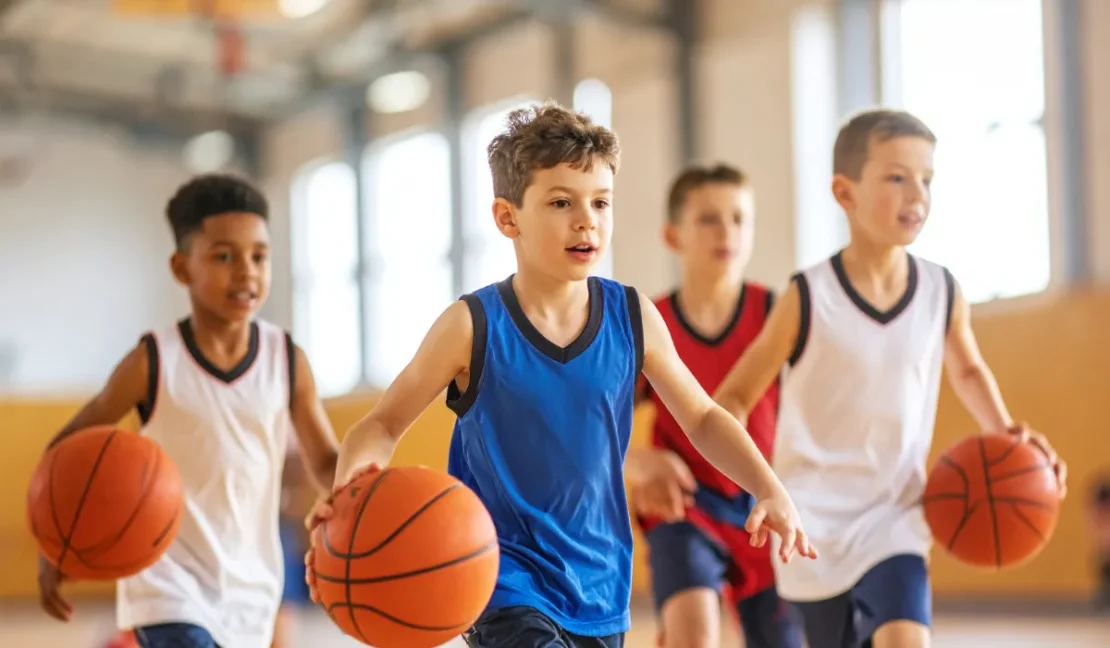
Image Source: Canva
5. Building Long-Term Athletic Success
Encouraging child sports talents isn’t just about immediate skill development, it’s about fostering a lifelong love of physical activity and healthy competition. The habits and attitudes formed during early childhood often carry into adolescence and adulthood.
Focus on teaching good sportsmanship, respect for teammates and opponents, and appreciation for effort over outcome. These character traits serve children well whether they become competitive athletes or simply enjoy recreational sports.
Developing Mental Toughness and Resilience
Athletic activities provide natural opportunities to build resilience, persistence, and emotional regulation skills. When children learn to handle disappointment, celebrate others’ success, and bounce back from mistakes in sports contexts, they develop life skills that extend far beyond athletics.
Teach children that improvement comes through practice and effort, not natural talent alone. This growth mindset supports both athletic development and academic success throughout their lives.
Encouraging child sports talents during early childhood sets the foundation for healthy physical development, self-confidence, and lifelong wellness habits. At Apple Tree Pre-School BSD, we understand that every child has unique physical potential waiting to be discovered and celebrated.
The key lies in providing supportive environments where children can explore movement, discover their interests, and build skills at their own pace. Whether your child becomes a competitive athlete or simply loves staying active, the foundation of joy in movement will serve them throughout their lives.
Ready to help your child discover their athletic talents in a supportive, fun environment? We’d love to show you how our physical education programs nurture each child’s unique abilities while building confidence and character. Send us a WhatsApp message or give us a call at +62 888-1800-900.
Come play and learn with other children, because every champion starts with a single joyful step! 🏃♂️⚽✨