

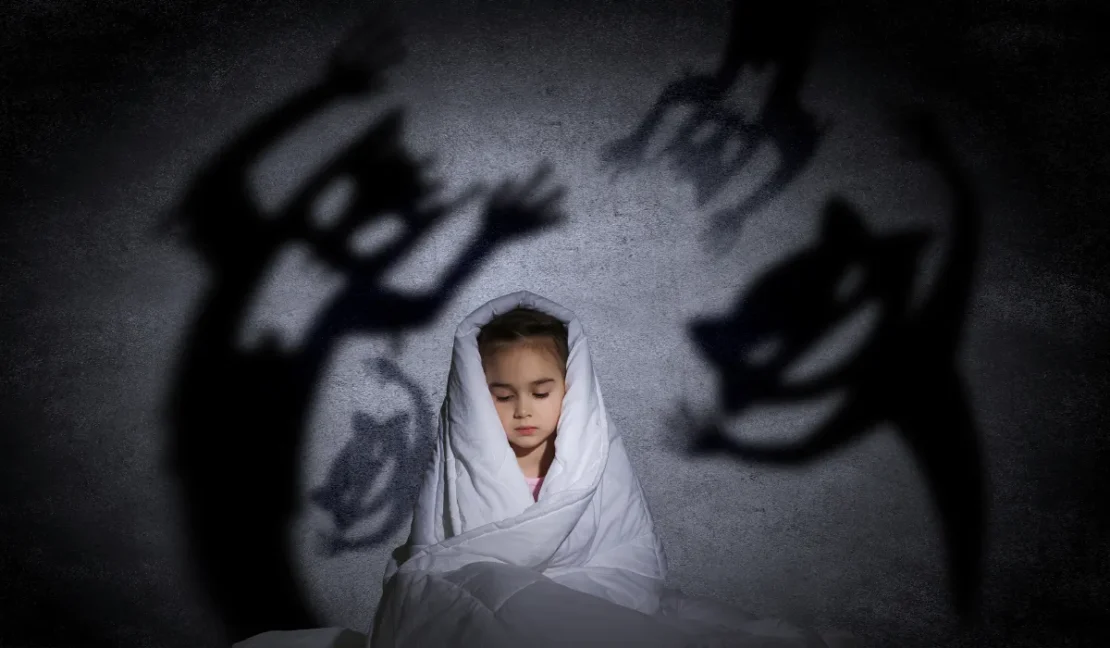
Three weeks ago, little Sarah from our Kindergarten 1 class arrived at school with dark circles under her eyes and that telltale look of exhaustion that every parent recognizes. When we gently asked her mom what was going on, the story came tumbling out. “She’s been scared of the dark for months now. Bedtime has become this two-hour battle, and honestly, I’m at my wit’s end. She keeps saying there are monsters hiding in her closet, and no amount of logical explanation seems to help.”
Sound familiar? If you’re nodding your head right now, you’re definitely not alone. At Apple Tree Pre-School BSD, we see this challenge with so many families, and here’s what we’ve learned: when a child is afraid of the dark, it’s not about being brave or logical. It’s about understanding that their developing imagination is actually working overtime, creating scenarios that feel absolutely real to them.
The good news? Fear of darkness is completely normal and, with the right approach, very manageable. We’ve helped countless families navigate this phase, and we’re excited to share what actually works, not just the generic advice you’ll find everywhere else.
Why Children Develop Fear of Darkness
Understanding the root of nighttime fears helps us respond with empathy rather than frustration. Around age three to five, children’s imagination explodes, which is wonderful for creativity but challenging when it comes to separating fantasy from reality, especially in low-light conditions.
Their brains are still developing the ability to process what they can’t see clearly. That pile of clothes on the chair really can look like a scary figure in dim light, and their minds naturally fill in the blanks with possibilities that seem threatening. At our location in the Educenter BSD Building, we often explain to parents that this fear actually indicates healthy cognitive development.
Children this age are also becoming more aware of potential dangers in the world, which can manifest as bedtime anxiety. They’re processing new information about safety, strangers, and scary stories from various sources, and darkness becomes the canvas where these worries project themselves.
Image Source: Canva
Creating a Comfort Zone for Bedtime Success
Building Positive Sleep Associations
The key to helping a child afraid of the dark isn’t to eliminate all light or force them to “get over it.” Instead, we focus on creating positive associations with bedtime and gradually building confidence in their sleep environment.
Start by making their bedroom feel like the safest, most comfortable place in the world during daylight hours. Let them help choose special bedtime items like a favorite stuffed animal, a soft blanket, or even a small nightlight that casts gentle, comforting patterns on the wall.
We’ve seen great success with families who create “bedtime blessing” routines where they walk around the room together, acknowledging all the familiar, safe objects. “There’s your bookshelf with all your favorite stories, there’s your art table where you create beautiful pictures, there’s your cozy bed where you have wonderful dreams.”
Smart Lighting Solutions
Contrary to what some might think, using nightlights isn’t “giving in” to fear, it’s being practical about child development. The goal is helping children feel secure enough to eventually outgrow their fear, not forcing them through it before they’re ready.
Choose warm, dim lighting that provides just enough visibility to make shadows less mysterious without being bright enough to interfere with sleep. Some families find success with gradual dimmer switches that can be slowly reduced over time as confidence builds.
Motion-sensor lights that briefly illuminate the path to the bathroom can be incredibly helpful, giving children independence for nighttime bathroom trips without requiring parents to turn on bright overhead lights.
Practical Strategies That Actually Work
The Power of Bedtime Stories
Reading together before sleep serves multiple purposes when dealing with nighttime fears. It creates a calm, positive routine that signals safety and comfort, while also giving children’s active imaginations something specific and pleasant to focus on instead of scary possibilities.
Choose stories with brave, resourceful characters who overcome challenges, but avoid anything with monsters, scary creatures, or dark themes right before bedtime. We love books about nighttime animals, peaceful dreams, or cozy bedtime scenarios that normalize and celebrate the night.
Some families create personalized bedtime stories where their child is the hero, building confidence and positive associations with being alone in their room. These stories can subtly address fears while empowering children with solutions and brave actions.
Gradual Independence Building
Rather than expecting immediate change, successful families work gradually toward independent sleep. Start by sitting next to their bed until they fall asleep, then slowly moving your chair farther away over several nights until you’re outside their door, then down the hall.
“Check-in” schedules can provide security while building independence. Promise to check on them after five minutes, then ten, gradually extending the time between visits. The key is following through consistently so they learn to trust your promises.
Some children respond well to special “protection” items like a spray bottle filled with water labeled “monster spray” or a special stuffed animal designated as their nighttime guardian. While adults might see these as silly, they provide genuine comfort and control for anxious children.
Age-Appropriate Communication Techniques
Validating Fears Without Reinforcing Them
When a child afraid of the dark expresses their concerns, avoid dismissive responses like “there’s nothing to be scared of” or “you’re being silly.” Instead, acknowledge their feelings while providing gentle reality checks. “I can see you’re feeling scared. Let’s look around your room together and talk about what we actually see.”
Help them develop their own coping strategies by asking questions like “What could you do if you feel scared?” or “What makes you feel brave and strong?” This empowers them to become active participants in overcoming their fears rather than passive recipients of adult reassurance.
Teaching simple breathing techniques or positive self-talk can give children tools to use independently. Phrases like “I am safe in my cozy bed” or “My family is nearby and loves me” provide internal resources for managing anxiety.
Timing Conversations About Fear
Address nighttime fears during calm daytime moments rather than in the heat of bedtime battles. Children are more receptive to problem-solving and learning new strategies when they’re not already anxious and tired.
Use daylight hours to explore their room together, looking under beds and in closets to familiarize them with these spaces when they can see clearly. This demystifies these areas and builds confidence for nighttime.
Practice relaxation techniques or new bedtime routines during the day when children can learn without the pressure of actually going to sleep. This preparation makes nighttime implementation much smoother.

Image Source: Canva
When Professional Support Might Help
While fear of darkness is normal, sometimes it’s severe enough to significantly impact family functioning or child well-being. If bedtime battles are lasting hours every night, if fears are spreading to other areas of life, or if anxiety seems overwhelming, professional guidance can be incredibly helpful.
At Apple Tree Pre-School BSD, we work closely with families to identify when fears might be impacting daytime learning or social interactions. Our experienced teachers across all age groups are trained to recognize when additional support might be beneficial.
Remember that every child moves through developmental phases at their own pace. Some children overcome darkness fears quickly, while others need more time and support. Both timelines are completely normal and don’t reflect anything about your parenting or your child’s character.
Helping a child afraid of the dark requires patience, creativity, and lots of empathy. The strategies that work best focus on building confidence and security rather than forcing bravery or dismissing legitimate fears. Most children do outgrow these fears naturally as their cognitive development progresses and their ability to distinguish reality from imagination strengthens.
Is your little one struggling with bedtime fears? We understand how exhausting and worrying this phase can be for families. Our caring teachers have helped many families navigate nighttime challenges while supporting children’s emotional development. Send us a WhatsApp message or give us a call at +62 888-1800-900.
Come play and learn with other children, because building confidence during the day helps create peaceful nights! 🌙✨💤