


Last week, we had a parent meeting that opened with the most honest question we’ve heard in ages: “How do I stop feeling guilty about my three-year-old knowing how to navigate Netflix better than I do?” The room erupted in knowing laughter and relieved sighs. That moment perfectly captured what we’re all grappling with in 2025, finding the sweet spot between embracing technology as a learning tool while ensuring our little ones don’t become tiny screen zombies.
Here’s the reality we face every day at Apple Tree Pre-School BSD. Technology isn’t going anywhere, and pretending otherwise does our children a disservice. The question isn’t whether to allow screen time, but how to create screen time guidelines for kids that actually work for real families living in the real world.
We’ve spent countless hours observing how different approaches to screen time affect children’s development, attention spans, and social skills. What we’ve discovered might surprise you. It’s not about the amount of screen time as much as it’s about the quality, timing, and context of that digital interaction.
Understanding Modern Screen Time Realities
The world our children are growing up in looks nothing like the one we experienced as kids. Screens aren’t just entertainment devices anymore, they’re learning tools, communication platforms, and creative outlets all rolled into one. In our classrooms at the Educenter BSD Building, we see children who can navigate educational apps with ease while still needing help tying their shoes.
Screen time guidelines for kids have evolved dramatically over the past decade, and for good reason. The old “no screens before age two” rule feels almost quaint when faced with video calls with grandparents living overseas or educational apps designed specifically for toddler development. We’ve learned to focus on intentional, high-quality screen experiences rather than blanket restrictions that don’t reflect modern family realities.
The key insight we’ve gained is that not all screen time is created equal. Thirty minutes of interactive educational content where children are actively engaged, thinking, and responding is vastly different from thirty minutes of passive cartoon watching. This distinction forms the foundation of practical, realistic screen time guidelines that actually work for busy families.
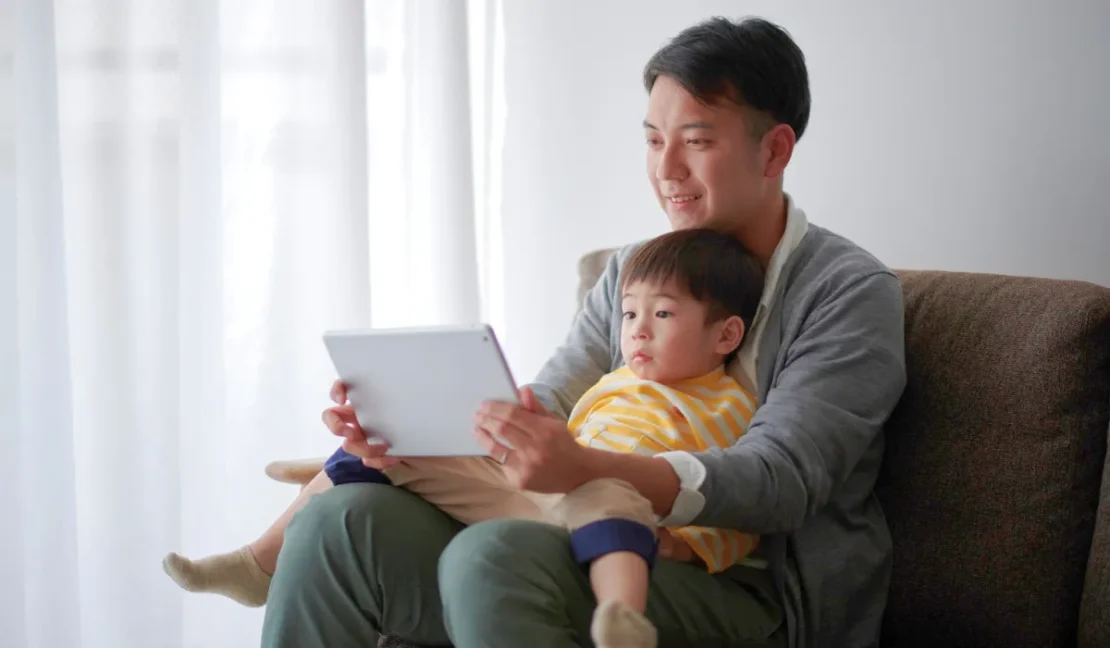
Image Source: Canva
Age-Appropriate Screen Time Recommendations
Guidelines for Toddlers and Early Preschoolers (18 months to 3 years)
For our youngest learners, screen time works best when it’s social and interactive. We recommend prioritizing video calls with family members, co-viewing educational content with parents, and using apps that encourage physical movement or creative expression rather than passive consumption.
The magic happens when screen time becomes a shared experience rather than a babysitting tool. When parents sit with their toddlers and actively engage with whatever they’re watching or playing, screens become vehicles for connection and learning rather than isolation devices.
Quality becomes absolutely crucial at this age. Look for content that encourages interaction, introduces educational concepts through play, and includes natural pauses that invite children to respond or participate. Avoid fast-paced content with rapid scene changes that can overstimulate developing brains.
Recommendations for Preschoolers (3 to 5 years)
As children’s attention spans and comprehension abilities develop, screen time guidelines can become more flexible while maintaining focus on educational value and balance. Preschoolers can handle slightly longer sessions and more independent interaction with carefully chosen content.
This is the perfect age to introduce children to technology as a tool for creation rather than just consumption. Simple drawing apps, basic coding games, or programs that let children create their own stories combine screen time with skill development and creative expression.
We’ve noticed that preschoolers who have clear, consistent boundaries around screen time tend to transition away from devices more easily when it’s time for other activities. Creating predictable routines helps children understand expectations and reduces battles over “just one more minute.”
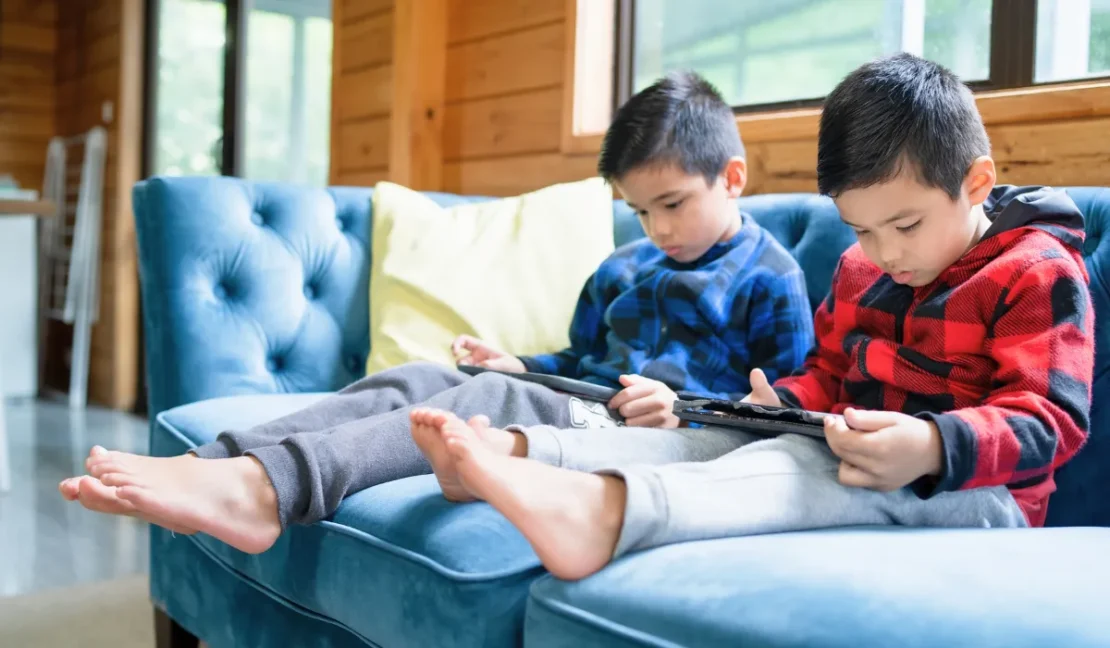
Image Source: Canva
Creating Balance Between Digital and Physical Play
The secret to healthy screen time isn’t eliminating technology altogether but ensuring it complements rather than replaces other important activities. Physical play, creative exploration, social interaction, and outdoor experiences remain crucial for healthy development regardless of how technology-savvy our children become.
We use what we call the “screen time sandwich” approach, where digital activities are surrounded by physical movement or hands-on play. This might mean starting with an outdoor activity, enjoying some educational screen time, then transitioning to art projects or building activities that reinforce concepts from the digital content.
The goal is creating natural flow between different types of activities rather than treating screen time as completely separate from other learning experiences. When children see technology as one tool among many for exploration and learning, they develop healthier relationships with digital devices.
Incorporating Movement and Outdoor Time
Regular physical activity becomes even more important when children spend time with screens. We’ve found that children who have ample opportunities for gross motor play, outdoor exploration, and physical challenges tend to be more satisfied with shorter periods of screen time.
Simple strategies like requiring outdoor play before screen time, incorporating movement breaks during longer digital sessions, or choosing apps that encourage physical activity help maintain the balance between digital and physical experiences.
The timing of screen time also matters significantly. Avoiding screens too close to bedtime helps maintain healthy sleep patterns, while incorporating active play immediately after screen time helps children transition smoothly between different types of activities.
Quality Content Selection Strategies
Educational vs Entertainment Content
Not all children’s programming is created equal, and learning to distinguish between educational content and pure entertainment helps parents make better choices about their children’s screen experiences. High-quality educational content encourages active participation, introduces concepts through multiple learning modalities, and connects to real-world experiences.
Look for programs or apps that ask children to respond, solve problems, or create something new rather than simply watching events unfold. Interactive elements that require thinking, decision-making, or creative expression provide much more developmental value than passive viewing experiences.
We encourage parents to preview content before sharing it with children, paying attention to pacing, messaging, and educational value. Content that aligns with family values and supports skills children are developing in other contexts provides the most benefit.
Co-Viewing and Interaction Opportunities
The most valuable screen time happens when children aren’t experiencing digital content alone. Co-viewing allows parents to extend learning, ask questions, make connections to real life experiences, and help children process what they’re seeing and hearing.
Active participation transforms screen time from passive consumption into interactive learning experiences. Asking questions like “What do you think will happen next?” or “How is this like what we saw at the park yesterday?” helps children engage more deeply with content.
These interactions also provide valuable opportunities for parents to gauge their children’s understanding, introduce new vocabulary, and make learning connections that might not occur during solitary screen time.
Establishing Healthy Screen Time Routines
Successful screen time management requires clear, consistent routines that children can understand and predict. Creating visual schedules, using timers, and establishing natural transition points helps children develop self-regulation skills around technology use.
We recommend building screen time into daily routines rather than using it as a reward or punishment, which can create unhealthy emotional associations with technology. When screen time has a predictable place in the day, children are more likely to accept limits and transition smoothly to other activities.
Consistency across caregivers and settings also supports healthy screen habits. When parents, grandparents, and childcare providers all follow similar guidelines, children receive clear, unified messages about appropriate technology use.
Creating healthy screen time guidelines for kids requires thoughtful consideration of individual family needs, developmental stages, and the ever-evolving digital landscape. At Apple Tree Pre-School BSD, we’ve learned that the most successful approaches focus on quality, balance, and intentionality rather than strict time limits or complete avoidance.
The goal isn’t to eliminate technology from children’s lives but to help them develop healthy, balanced relationships with digital tools that will serve them throughout their lives. When screen time is purposeful, interactive, and balanced with other important activities, it becomes a valuable part of comprehensive early childhood development.
Our comprehensive programs thoughtfully integrate appropriate technology use with hands-on learning, outdoor exploration, and social interaction to support well-rounded development.
Ready to learn more about balanced approaches to early childhood education in our digital world? We’d love to share how we help children develop healthy relationships with technology while building strong foundations in all areas of development. Send us a WhatsApp message or give us a call at +62 888-1800-900.
Come play and learn with other children, because balanced development includes both digital literacy and real-world exploration! 📱🌳✨