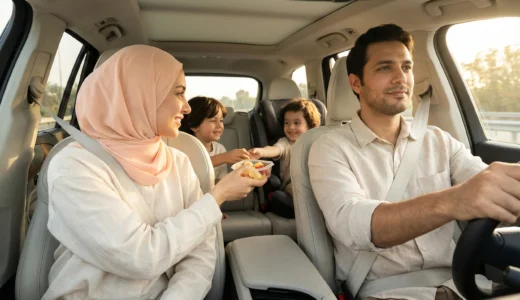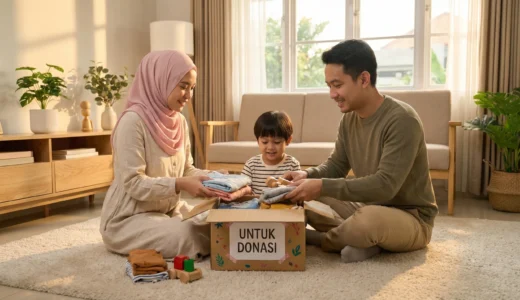
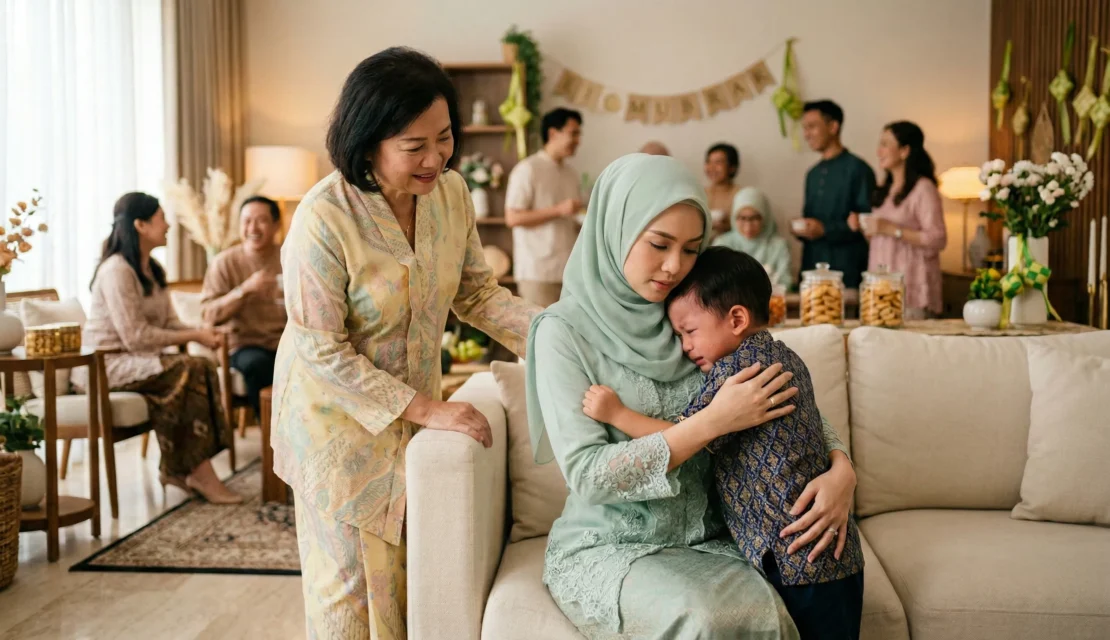
Picture this: you’ve dressed your little one in their adorable new Eid outfit, complete with matching shoes and that perfect headband. You walk into your aunt’s house, and within seconds, your child transforms into a koala bear, clinging to your leg like their life depends on it. Welcome to stranger anxiety during Eid, a phenomenon that turns cheerful family reunions into a series of apologetic smiles and whispered explanations.
At Apple Tree Pre-School BSD, we see this scenario play out every year after the holidays. Parents come back sharing stories of how their confident toddler suddenly refused to make eye contact with anyone outside the immediate family. The good news? Stranger anxiety during Eid gatherings is completely normal, and there are plenty of ways to help your child navigate these overwhelming social situations.
Understanding Stranger Anxiety in Young Children
Before we dive into solutions, let’s talk about why your little one acts like distant relatives are mysterious creatures from another planet. Stranger anxiety typically develops around 6 to 8 months and can peak between 12 to 24 months. It’s actually a sign of healthy cognitive development because your child now recognizes the difference between familiar and unfamiliar faces.
During Eid, this natural developmental phase gets amplified by several factors. There’s the unfamiliar environment, the loud conversations, the abundance of new faces, and everyone wanting to pinch those chubby cheeks. From your child’s perspective, it’s sensory overload wrapped in festive clothing.
Why Eid Gatherings Intensify Stranger Anxiety
Eid celebrations are beautiful chaos. Multiple generations gather in spaces filled with strong food aromas, excited chatter, and relatives your child might only see once or twice a year. Even adults can feel a bit overwhelmed by the energy, so imagine how it feels for someone who’s only been on this earth for two or three years.
The pressure for children to “perform” also adds stress. Well meaning relatives often expect hugs, kisses, and cheerful greetings on demand. When your child retreats instead, it can feel embarrassing, but remember that their reaction is protective and developmentally appropriate.
How to Handle Stranger Anxiety During Eid Celebrations
Prepare Your Child Before the Gathering
Preparation is your secret weapon against Eid stranger anxiety meltdowns. Children feel more secure when they know what to expect, even if they can’t fully articulate their feelings yet.
- Show photos of family members you’ll be visiting in the days leading up to Eid
- Talk about what will happen at the gathering using simple, positive language
- Read books about family celebrations or meeting new people
- Practice simple greetings at home without pressure
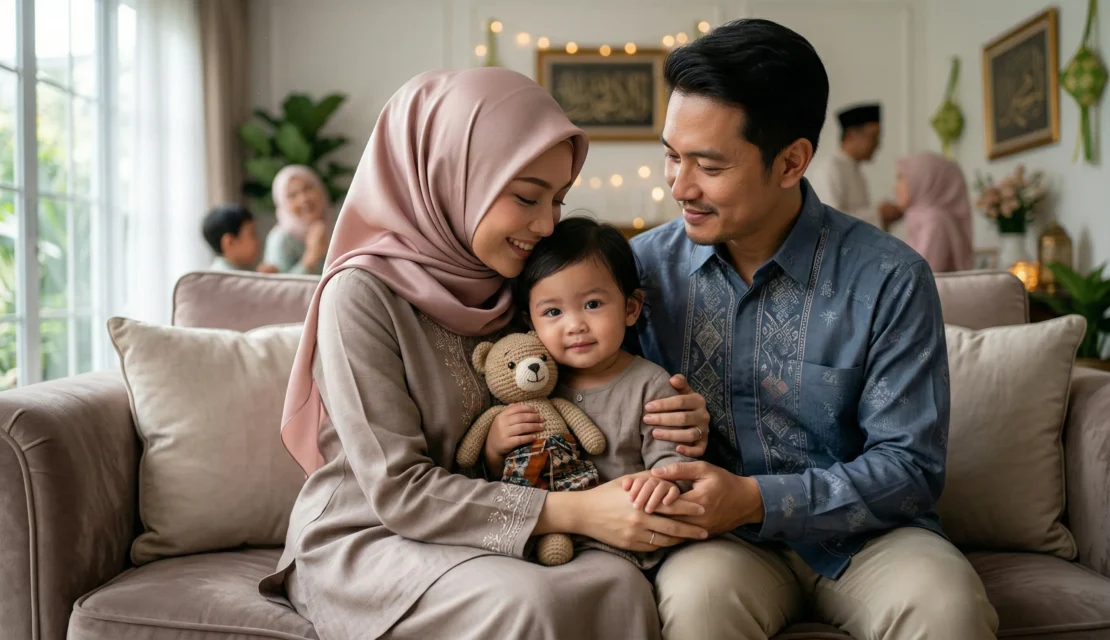
- Let them choose a comfort item to bring along, like a favorite toy or blanket
This mental preparation creates a sense of familiarity before your child even walks through the door. We use similar techniques at our preschool when introducing children to new environments, and the difference is remarkable.
Arrive Early and Allow Adjustment Time
Timing matters more than you might think. Arriving when the party is already in full swing means your child enters maximum chaos mode immediately. Instead, try to be among the first guests so your little one can adjust gradually as more people arrive.
Find a quiet corner where you can sit together initially. Let your child observe the room from the safety of your lap before expecting any interaction. This buffer time helps their nervous system settle and makes the whole experience less threatening.
Create a Safe Base Strategy
Your child needs to know they can always return to you when feeling overwhelmed. Think of yourself as home base in a game of social exploration.
Essential elements of the safe base approach:
- Stay physically accessible throughout the gathering
- Make eye contact and offer reassuring smiles from across the room
- Avoid disappearing without telling your child, even for bathroom breaks
- Designate a quiet space where you both can retreat if needed
- Keep your own body language calm and relaxed
When children feel secure in their attachment, they’re more likely to venture out and engage with others at their own pace. Pushing them before they’re ready often backfires and increases anxiety.
Guide Relatives on Appropriate Interactions
Here’s where things get a bit tricky. You might need to gently educate enthusiastic family members about how to approach your anxious child. Most relatives mean well, but their excitement can be intimidating.
Helpful phrases to share with family:
- Please let them come to you when they’re ready
- A wave or high five works better than hugs right now
- Getting down to their eye level helps them feel less overwhelmed
- Talking softly and giving space makes a big difference
- Playing nearby without direct demands often works wonders
You’re not being rude by setting these boundaries. You’re advocating for your child’s emotional wellbeing, and most family members will appreciate the guidance once they understand.
Practical Tips for Managing Stranger Anxiety at Eid Events
Sometimes you need quick strategies in the moment. These tips come from real experiences shared by families in our Apple Tree programs over the years.
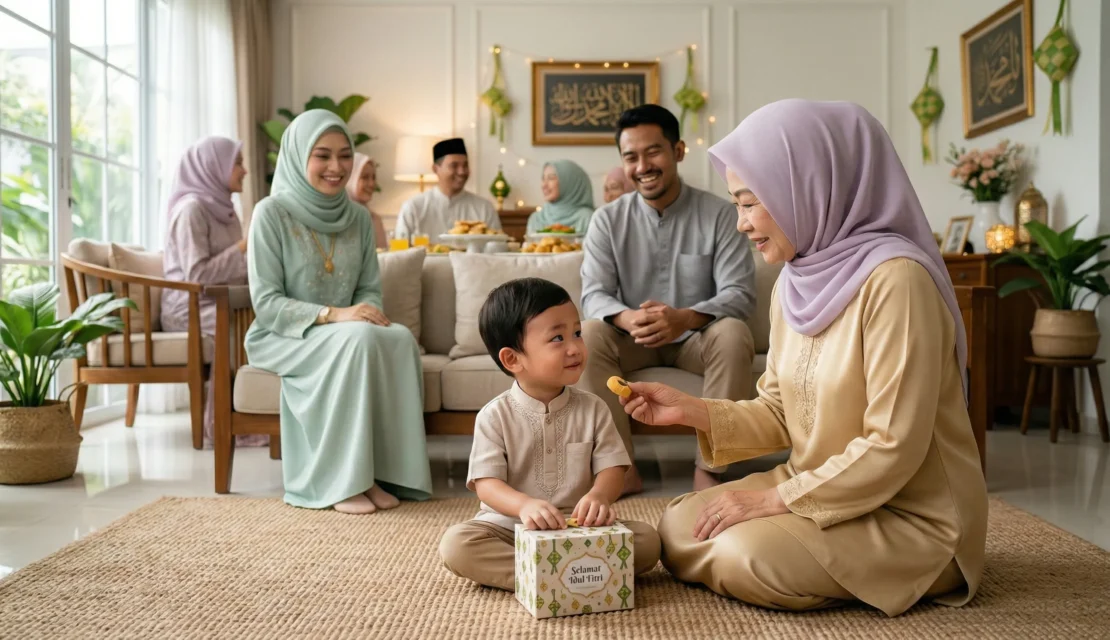
Keep expectations realistic and celebrate small wins. If your child managed to wave at one uncle today, that’s progress. Bring familiar snacks and activities to provide comfort during overwhelming moments. Schedule breaks outside or in a quiet room before your child reaches their limit. Stay calm yourself because children are incredibly attuned to parental anxiety. Consider shorter visits to multiple houses rather than one long marathon gathering.
FAQ
- Is it okay if my child doesn’t want to greet relatives during Eid? Absolutely. Forcing physical affection or greetings can increase anxiety and send confusing messages about body autonomy. Let your child warm up naturally and respect their boundaries.
- How long does stranger anxiety typically last? Most children outgrow intense stranger anxiety by age 2 to 3, though some shyness around unfamiliar people can continue. Each child develops at their own pace, and gentle exposure helps build confidence over time.
- Should I avoid Eid gatherings altogether if my child has severe anxiety? Not necessarily, but you might modify how you participate. Shorter visits, smaller gatherings, or arriving early can all help. Complete avoidance might increase anxiety in the long run.
- What if relatives get offended by my child’s behavior? A brief, confident explanation usually helps. Something like, “She’s going through a shy phase and needs time to warm up. Thanks for understanding!” Most people will respect this once they know.
Supporting Your Child Through Social Challenges
Handling stranger anxiety during Eid requires patience, preparation, and plenty of grace for yourself and your little one. Remember that this phase is temporary, and your calm, supportive presence makes all the difference. Every small positive social experience builds your child’s confidence for the future.
At Apple Tree Pre-School BSD, located in the Educenter BSD Building, we specialize in helping young children develop social confidence in a nurturing environment. Our experienced teachers understand the unique needs of toddlers and preschoolers as they learn to navigate the wider world beyond home.Ready to give your child a supportive space to grow and thrive? Register for a trial class and discover how we help little ones blossom socially while having fun. Contact us via WhatsApp or call +62 888 1800 900. Come play and learn with other children at Apple Tree Pre-School BSD!