

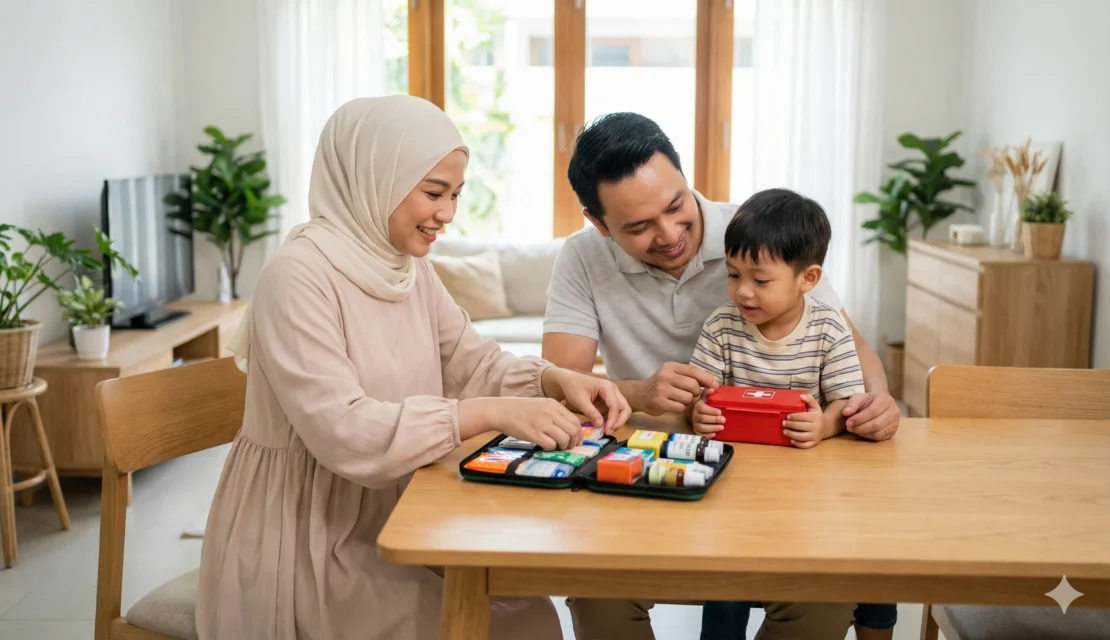
Picture this: you are three hours into your mudik journey, the kids are finally napping in the backseat, and suddenly someone wakes up with a scraped knee from the last rest stop adventure. We have all been there, and trust us, nothing ruins a family road trip faster than realizing you forgot the bandages at home. A well prepared travel first aid kit is your secret weapon for keeping everyone happy and healthy on the road.
Here at Apple Tree Pre-School BSD, located in the Educenter BSD Building, we talk to parents every day about the little things that make big differences. Mudik season brings excitement, but it also brings unpredictable moments that require quick solutions. Whether you are heading to grandma’s house in Central Java or visiting family in Sumatra, having the right supplies within arm’s reach can turn a potential meltdown into a minor bump in the road.
What To Pack In Your Travel First Aid Kit For Kids
When we think about assembling a travel first aid kit, it is tempting to throw everything into a bag and hope for the best. But here is the thing: kids have specific needs, and a kit designed for adults just will not cut it. You want items that are gentle, effective, and easy to use while juggling snacks and car games.
1. Must Have Medical Supplies
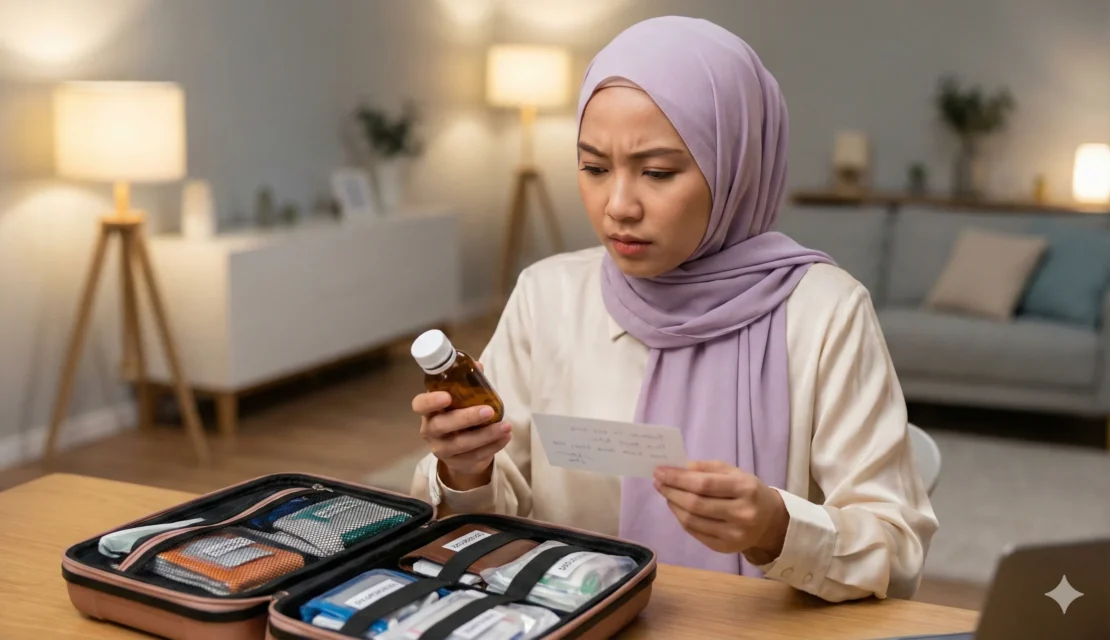
Your basic medical supplies form the foundation of any good kit. Think of these as your non negotiables, the items you will reach for most often during your trip.
Essential items to include:
- Adhesive bandages in various sizes, including fun character ones that magically make boo boos feel better
- Sterile gauze pads and medical tape for larger scrapes
- Antiseptic wipes or spray that does not sting
- Digital thermometer with extra batteries
- Tweezers for splinter removal
- Child safe scissors
- Disposable gloves
We always recommend parents check expiration dates before every major trip. There is nothing worse than discovering your antiseptic cream expired six months ago when you actually need it.
2. Medications And Dosing Information
This section requires extra attention because giving the wrong dose can be just as problematic as having no medicine at all. Always consult your pediatrician before packing any medications.
Commonly needed medications:
- Fever and pain reliever appropriate for your child’s age and weight
- Antihistamine for allergic reactions
- Motion sickness medication if your little one gets car sick
- Hydrocortisone cream for bug bites and rashes
- Saline nasal drops for stuffy noses
- Oral rehydration salts for tummy troubles
Pro tip: write down the correct dosages for each child on a small card and tape it inside your kit. When it is 2 AM and everyone is exhausted, you will thank yourself for this simple preparation.
3. Comfort And Care Items
Beyond the basics, comfort items help soothe anxious little ones and make treatment easier. These extras can transform a stressful moment into a manageable one.
Helpful additions for your kit:
- Instant cold packs that activate without refrigeration
- Small stuffed toy or comfort item dedicated to “boo boo time”
- Child friendly face masks
- Hand sanitizer with moisturizing formula
- Tissue packs and wet wipes
- Small bottled water for cleaning wounds or taking medicine
4. Emergency Documentation
Paperwork might seem unnecessary, but having the right information on hand during emergencies is incredibly valuable. You never know when you might need it.
Important documents to pack:
- Copy of each child’s health insurance card
- List of allergies and current medications
- Emergency contact numbers on paper
- Dosing chart for each child by weight
- Brief medical history notes
How To Organize Your Travel First Aid Kit
Organization might sound boring, but it is actually a game changer. A messy kit means wasted time searching for items, and time is precious when you have a crying toddler with a bee sting.
Choosing The Right Container
Skip the flimsy plastic bags and invest in a proper container. We love small, hard sided cases with multiple compartments. They protect supplies from getting crushed under luggage and make everything visible at a glance.
Consider using a clear toiletry bag as an alternative. It is lightweight, see through, and fits easily in most car door pockets or diaper bags. Whatever you choose, make sure everyone in the car knows exactly where the kit lives.
Labeling And Accessibility
Create simple labels for different sections: “Cuts and Scrapes,” “Tummy Issues,” “Fever and Pain.” This way, even grandpa can find what he needs without unpacking the entire kit. Keep the most frequently used items near the top or in the most accessible compartment.
Travel First Aid Kit Tips For Long Distance Mudik
Long journeys require extra planning. When you are spending eight or more hours on the road, your needs multiply significantly.
Smart strategies for extended travel:
- Pack duplicates of essential items, one for the car and one for your destination
- Include comfort items like cold packs that can be activated without a freezer
- Add sunscreen and insect repellent to your kit
- Bring a small flashlight for nighttime emergencies
- Include emergency contact numbers written on paper, not just stored in your phone
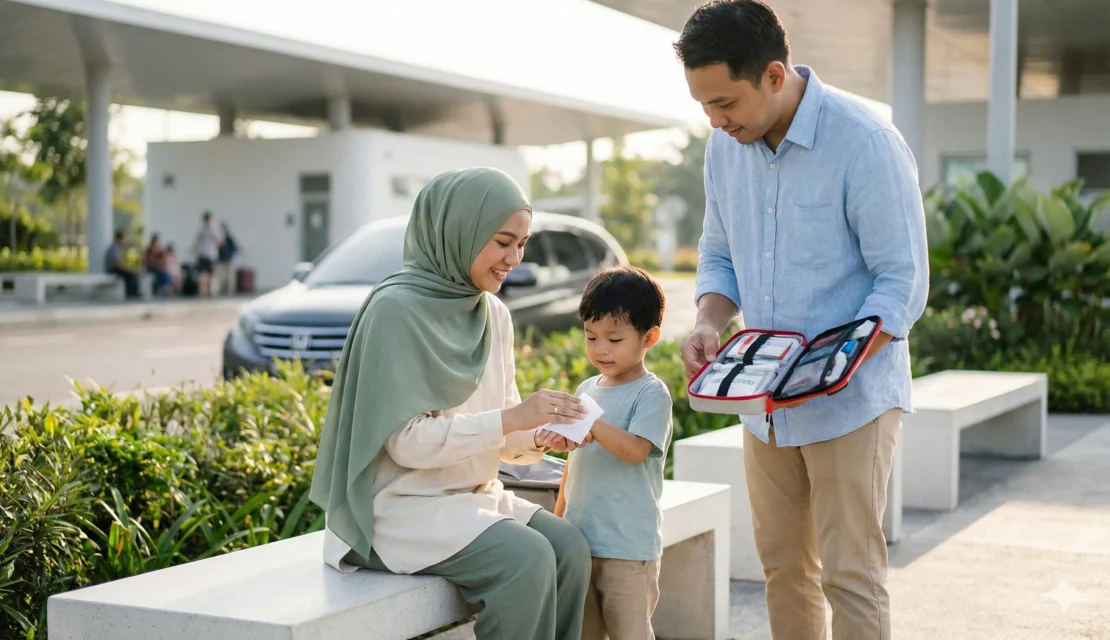
We have learned from experience that rest stops can be surprisingly hazardous for curious little explorers. Hot pavement, unfamiliar insects, and questionable bathroom facilities all present opportunities for minor injuries. Having your travel first aid kit easily accessible means you can handle these situations quickly and get back on the road.
Preparing Kids For Using The Kit
Here is something we practice at Apple Tree Pre-School BSD: involve children in the preparation process. Let them help pack the kit, show them what each item does, and explain when things should be used. This not only reduces fear around medical supplies but also empowers older children to help if needed.
For younger toddlers, simply making them familiar with the kit reduces anxiety. When they recognize that “special box” as something that helps them feel better, they are more cooperative during treatment.
Frequently Asked Questions About Travel First Aid Kits
How often should I replace items in my travel first aid kit? Check your kit every three months and before any major trip. Replace expired medications immediately and restock any items you have used.
Can I bring medications on a plane for domestic mudik flights?
Yes, you can bring necessary medications in your carry on. Keep them in original packaging when possible and carry a doctor’s note for prescription items.
What if my child has specific allergies? Always pack your child’s prescribed allergy medication, such as an EpiPen if required. Include a written allergy action plan and make sure all caregivers know the location and usage of emergency medications.
Should I pack different kits for different aged children? One comprehensive kit usually works fine, but clearly label any age specific medications. Dosing information for each child should be written down and easily visible.
Keep Your Little Ones Safe This Mudik Season
Preparing a proper travel first aid kit might seem like one more thing on your already overwhelming mudik checklist, but we promise it is worth the effort. A few minutes of preparation can save hours of stress and help your family enjoy the journey as much as the destination.
At Apple Tree Pre-School BSD, we believe that prepared parents raise confident children. Our programs focus on building independence and resilience, skills that start with simple acts like knowing how to handle minor emergencies calmly.Ready to learn more about how we support families in raising happy, healthy children? We would love to chat with you about our Toddler through Kindergarten programs. Reach out via WhatsApp at +62 888-1800-900 or give us a call. Come play and learn with us at Apple Tree Pre-School BSD, where every child’s journey matters!