
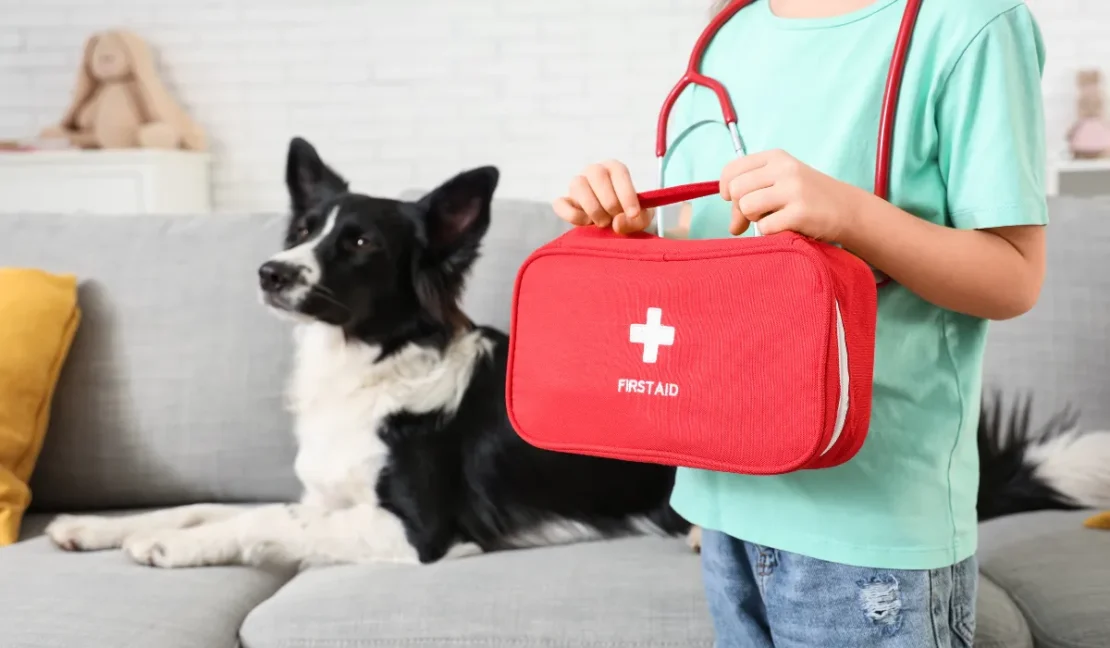
We’ve all been there, right? Your little one takes a tumble, bumps their head, or gets a small cut, and suddenly, you’re hit with a wave of panic. As parents, we want to protect our kids from harm, but the reality is that accidents are part of growing up. That’s where first aid for kids comes in knowing what to do in those critical moments can make all the difference.
At Apple Tree Pre-School BSD, located in the lively Educenter BSD Building, we understand that every parent wants to be prepared for the unexpected. Whether it’s a scraped knee from running around at the playground or a more serious injury, having basic first aid skills can not only keep your child safe but also give you peace of mind. Let’s dive into the essential first aid skills every parent should know to help keep your kids safe and sound.
Why First Aid for Kids is So Important
Accidents happen, especially when kids are involved. As toddlers and young children explore their world, they’re bound to encounter bumps, bruises, and cuts along the way. While it’s impossible to prevent every mishap, knowing how to handle them can significantly reduce the risk of complications and help you stay calm in stressful situations.
Learning basic first aid for kids is an investment in your child’s well-being. It prepares you to handle a variety of common injuries, from minor scrapes to more serious situations like choking or burns. It’s about knowing what to do until help arrives or until the situation is under control.
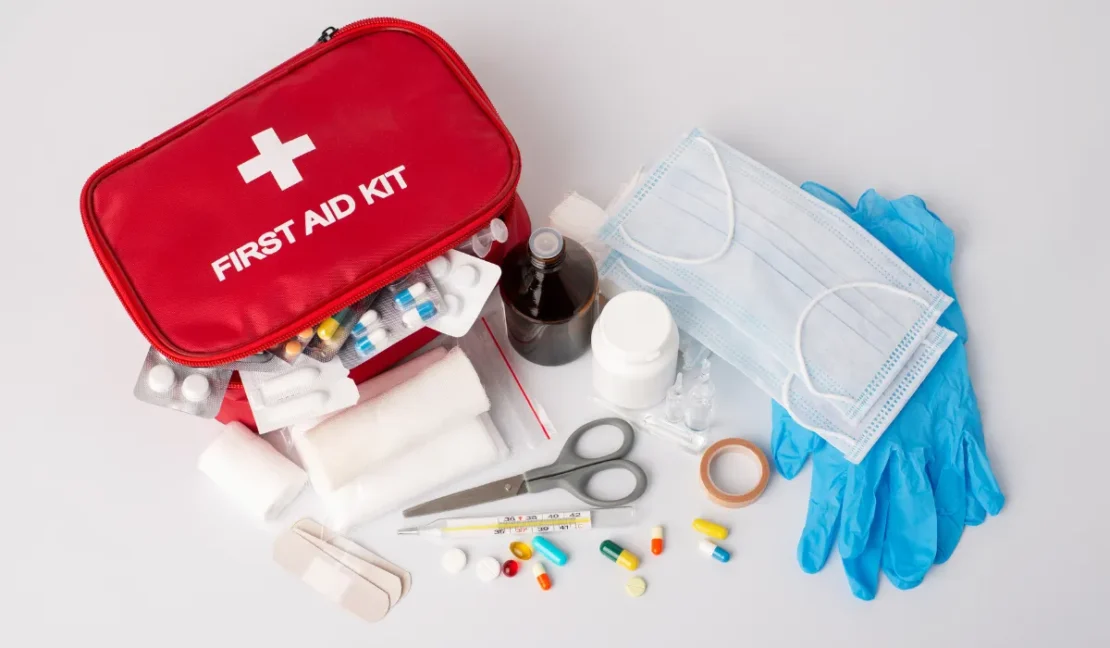
Image Source: Canva
Key First Aid Skills Every Parent Should Know
Now that we understand the importance of first aid for kids, let’s break down some essential skills every parent should have in their toolkit. These skills are simple, effective, and could one day make all the difference.
1. Dealing with Cuts and Scrapes
It’s no secret that kids can get into all sorts of messy situations. Whether they’re running around at the park or engaging in an art project at home, cuts and scrapes are common. Here’s what you need to do:
- Clean the wound: Rinse the area with clean water to remove dirt and debris. Use mild soap if necessary.
- Stop the bleeding: Apply gentle pressure with a clean cloth or bandage until the bleeding stops.
- Apply a bandage: Once the wound is clean and dry, cover it with a sterile bandage or dressing. Make sure the bandage isn’t too tight.
Always keep an eye on the injury for signs of infection, such as redness, swelling, or discharge. If these occur, it’s time to see a doctor.
2. Handling Burns
From touching a hot stove to spilling hot liquids, burns are a common injury among young children. Fortunately, most burns can be treated at home if you act quickly. Here’s what to do:
- Cool the burn: Run the affected area under cool (not cold) water for at least 10 minutes. If that’s not possible, apply a cool compress.
- Cover the burn: After cooling the burn, cover it with a clean, non-stick bandage to protect it from infection.
- Avoid home remedies: Never apply ice, butter, or ointments to a burn, as they can make things worse.
If the burn is severe, with blisters or larger areas of skin affected, seek medical help immediately.
3. CPR for Children
It’s a good idea for every parent to learn CPR (cardiopulmonary resuscitation), especially for children. If your child stops breathing or their heart stops beating, CPR can be a life-saving skill. While it’s recommended to take a certified first aid and CPR course, here’s a quick overview of the basics:
- For babies (under 1 year old): Use two fingers to perform chest compressions in the center of the chest, just below the nipple line. Give 30 compressions followed by 2 rescue breaths.
- For children (over 1 year old): Use the heel of one hand for chest compressions, again in the center of the chest. Perform 30 compressions, then give 2 rescue breaths.
If at any point your child is unresponsive and not breathing, call for emergency medical help and start CPR immediately.
4. Choking First Aid
Choking is every parent’s nightmare, but knowing how to respond can save your child’s life. Here’s what to do if your child is choking:
- For infants (under 1 year old): Place the baby face down on your forearm, supporting their head and neck. Use the heel of your hand to give 5 gentle back blows between the baby’s shoulder blades. If that doesn’t work, turn the baby over and give 5 chest compressions.
- For children (over 1 year old): If your child is able to cough or speak, encourage them to cough to clear the obstruction. If they can’t cough or speak, give 5 back blows followed by 5 abdominal thrusts (the Heimlich maneuver). Be sure to call for help if the blockage doesn’t clear.
5. Treating Allergic Reactions
If your child has known food allergies or allergies to insect stings, it’s important to be prepared in case of an allergic reaction. The first step is to recognize the signs of an allergic reaction, which may include swelling, hives, difficulty breathing, or vomiting.
- Mild reaction: If the symptoms are mild (such as itching or hives), you can give your child an antihistamine (as directed by your pediatrician).
- Severe reaction: For a severe reaction, particularly if your child is having difficulty breathing, administer an epinephrine injection (if prescribed by your doctor) and seek immediate medical attention.
Having an action plan in place and knowing how to use an epinephrine pen is crucial for children with severe allergies.
Image Source: Canva
First Aid Skills are Essential for Every Parent
As parents, we always want the best for our kids, and knowing how to handle emergencies is an important part of keeping them safe. Whether it’s basic wound care, CPR, or managing allergic reactions, the ability to respond quickly and calmly in a crisis is vital. By mastering these first aid for kids skills, you can help ensure your child’s safety and give yourself the confidence to handle any situation that arises.
At Apple Tree Pre-School BSD, we believe in educating both parents and children on safety and well-being. Our programs help foster a safe environment for learning and play, ensuring that children have the knowledge and skills they need to stay safe while exploring the world.
Register now! Come play, learn, and grow with other children in a supportive and empathetic environment!
If you have any questions or would like more information, feel free to contact us on WhatsApp or call us directly at +62 888-1800-900.