Your eighteen-month-old son lines up his toy cars in perfect rows repeatedly. He doesn’t notice when you call his name three times in a row. He plays alone while other toddlers interact together at the playground. These behaviors niggle at your mind, creating quiet worry you can’t quite shake. You wonder if these quirks mean something or if you’re overthinking normal toddler behavior. Understanding autism early signs helps you distinguish between normal development and potential concerns requiring attention.
Many parents experience these moments of uncertainty about their child’s development. You might notice autism early signs and feel confused about what they actually mean. The internet becomes your late-night companion as you search for reassurance. You question whether you should mention autism early signs to your pediatrician. The truth is that recognizing autism early signs early gives children the best chance at support and success.
Autism early signs can be subtle, obvious, or somewhere in between depending on your child. Every child develops differently, making autism early signs vary tremendously between individuals. Some children show clear autism early signs from infancy while others mask them brilliantly. Understanding what autism early signs actually look like helps you respond appropriately. Early identification through recognizing autism early signs changes outcomes significantly for many children.
At Apple Tree Pre-School BSD, we work with children of all developmental profiles and learning styles. Our programs at the Educenter BSD Building create inclusive environments supporting every child’s unique needs. We recognize autism early signs with sensitivity and expertise. We partner with families when autism early signs appear in our classrooms. We celebrate neurodiversity and support children in reaching their full potential.
Recognizing autism early signs doesn’t mean your child has a problem needing fixing. Early awareness about autism early signs simply gives children access to beneficial support. Many individuals with autism thrive when they receive appropriate autism early signs interventions. Your child’s developmental journey is unique and worthy of understanding. Learning about autism early signs is an act of love toward your child.
Understanding Autism Early Signs in Young Children
Before diving into specific autism early signs, let’s clarify what autism actually is. Autism spectrum disorder involves differences in brain development and how the brain processes information. Autism early signs reflect these neurological differences in behavior and development. These autism early signs aren’t deficits but rather different ways of experiencing the world. Understanding autism early signs requires shifting from deficit-based to difference-based thinking entirely.
Autism early signs appear across multiple areas of development and functioning. Communication, social interaction, and behavioral patterns show autism early signs most noticeably. Sensory sensitivities often accompany autism early signs in young children. Repetitive behaviors or intense interests frequently indicate autism early signs. Different combinations of autism early signs manifest in different children uniquely.
Recognizing autism early signs requires knowing that development isn’t always linear. Some children show autism early signs from birth while others develop them later. Autism early signs might become more apparent around age two or three. Some children hide autism early signs by mimicking peers, called masking. Understanding autism early signs variation helps you avoid dismissing legitimate concerns prematurely.
Communication and Language as Autism Early Signs
Language development provides crucial clues when watching for autism early signs. Some children with autism early signs talk late or progress slowly in language development. Others with autism early signs develop vocabulary but struggle with conversation and back-and-forth interaction. Autism early signs in communication include difficulty understanding nonverbal cues like pointing or gestures. Children showing autism early signs might echo words without understanding their meaning.
Speech quality itself sometimes indicates autism early signs worth investigating. A child with autism early signs might speak in a monotone voice without natural rhythm. Autism early signs in speech sometimes include unusual intonation or robotic-sounding speech patterns. Children with autism early signs might struggle with pronouns, saying “you want” instead of “I want.” These language autism early signs warrant professional evaluation and support.
Not all language delays mean autism early signs, but autism early signs often include language concerns. Some children with autism early signs are completely non-speaking and communicate differently. Others with autism early signs are highly verbal but struggle with conversation skills. Autism early signs in language are diverse and vary tremendously between individuals. Professional assessment helps determine whether autism early signs are present.
Social Interaction Patterns and Autism Early Signs
Social difficulties often represent the most noticeable autism early signs in young children. A child with autism early signs might prefer playing alone rather than alongside peers. Autism early signs include difficulty understanding social rules and expectations without direct teaching. Children showing autism early signs might not follow your gaze when you point at something interesting. This reduced joint attention represents one of the earliest autism early signs parents notice.
Eye contact challenges frequently appear among autism early signs in children. Some children with autism early signs avoid eye contact, finding it uncomfortable or confusing. Others with autism early signs make too much eye contact in unusual ways. Autism early signs related to eye contact vary, but differences are usually noticeable. Understanding that autism early signs don’t mean your child doesn’t care is crucial.
Difficulty reading social cues marks another significant autism early signs category. A child with autism early signs might not notice when someone looks upset or angry. Autism early signs include trouble understanding what others think or feel in social situations. Children with autism early signs often struggle to interpret facial expressions or tone of voice. These autism early signs affect how children navigate friendships and interactions.
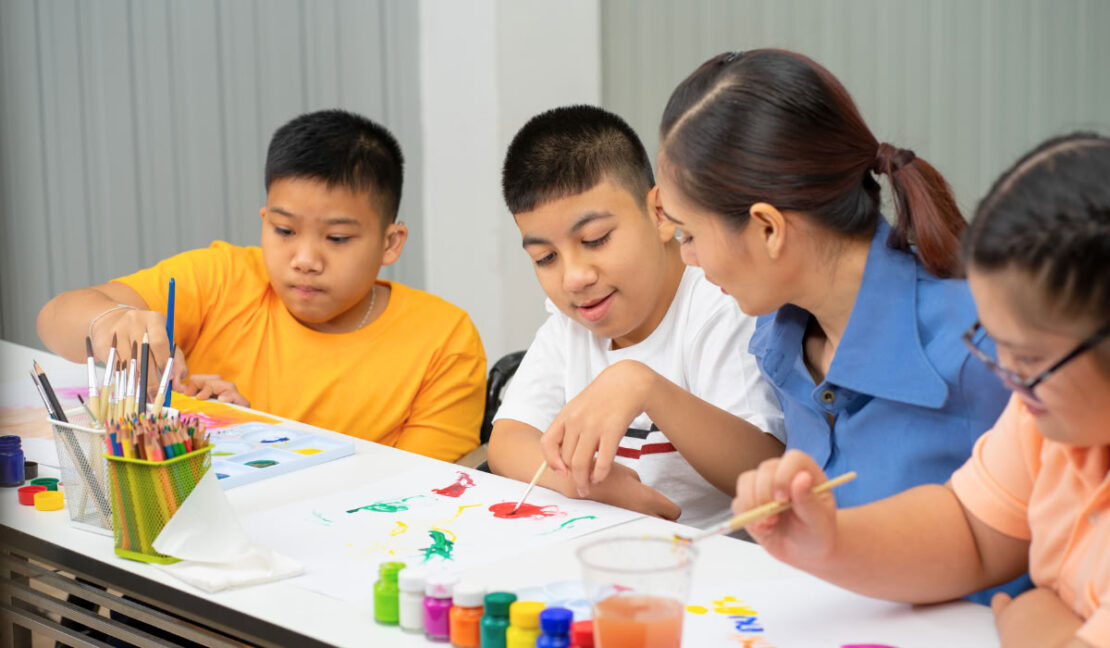
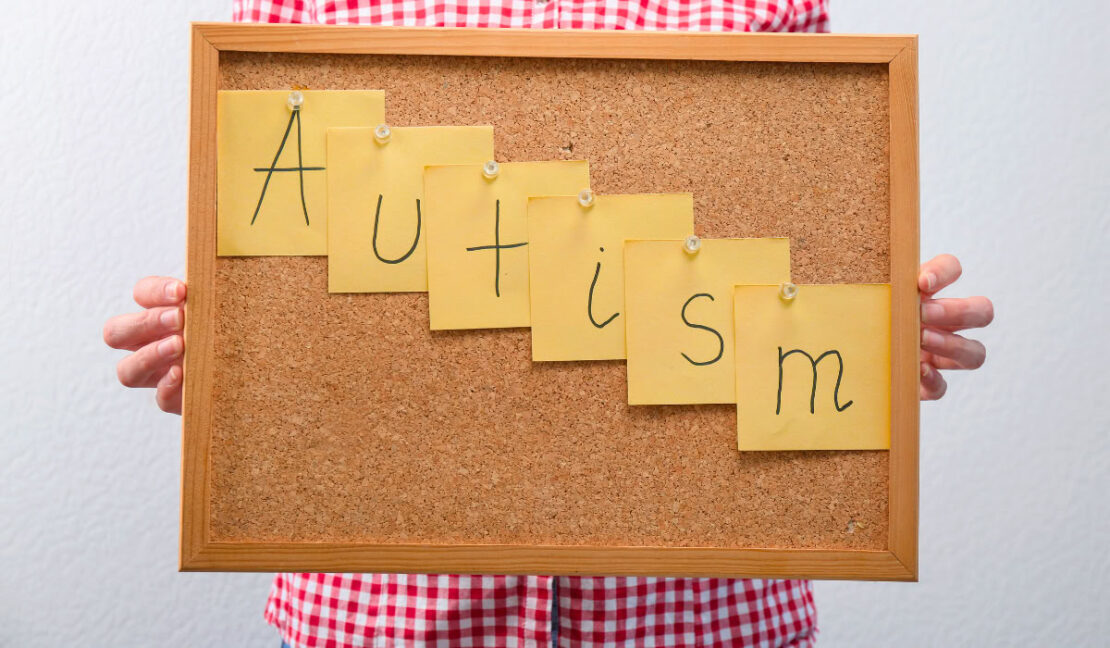
Image Source: Canva
Repetitive Behaviors and Sensory Interests as Autism Early Signs
Repetitive actions and movements frequently indicate autism early signs requiring attention. A child with autism early signs might line up toys, spin objects, or repeat movements endlessly. Autism early signs include hand flapping, spinning, or other stimming behaviors. These autism early signs often intensify when the child feels stressed, excited, or overstimulated. Stimming isn’t harmful, it’s actually the child’s way of self-regulating when autism early signs are present.
Intense, focused interests represent another common autism early signs pattern. A child with autism early signs might become obsessed with a specific topic or object. Autism early signs include difficulty shifting attention from preferred interests to other activities. Some children with autism early signs develop encyclopedic knowledge about narrow topics. These autism early signs show up as consuming focus that takes up significant time daily.
Sensory sensitivities frequently accompany autism early signs in young children. A child with autism early signs might cover their ears at normal sounds or avoid certain textures. Autism early signs include unusual responses to light, smells, tastes, or touch sensations. Some children with autism early signs seek intense sensory input like spinning or crashing. Others with autism early signs avoid sensory input, finding ordinary sensations unbearable.
Common Autism Early Signs to Watch For:
- Delayed speech or language development patterns different from peers
- Limited eye contact or unusual eye contact patterns that seem different
- Difficulty following your pointing gesture or showing you something interesting
- Preference for playing alone rather than alongside other children
- Repetitive behaviors like spinning, lining up toys, or hand flapping
- Intense, narrow interests that consume most of the child’s attention
- Difficulty understanding or expressing emotions appropriately
- Unusual sensory responses to sounds, textures, lights, or smells
- Trouble with transitions between activities or changes in routine
- Difficulty with imaginative or pretend play that most children enjoy
When to Seek Professional Evaluation for Autism Early Signs
Recognizing autism early signs is important, but professional evaluation determines actual diagnosis. Don’t panic if you notice several autism early signs in your child. Many typically developing children show some behaviors that resemble autism early signs occasionally. However, autism early signs that persist and affect functioning warrant professional investigation. Getting assessed for autism early signs provides answers and opens doors to support.
Pediatricians serve as your first resource when autism early signs concern you. Mention specific autism early signs you’ve observed to your doctor. Your pediatrician can assess whether autism early signs warrant professional developmental evaluation. They can refer you to developmental specialists trained in identifying autism early signs. Early professional assessment of autism early signs catches more cases that benefit from intervention.
Autism early signs evaluations typically involve comprehensive developmental assessments. Specialists observe your child and ask detailed questions about autism early signs behaviors. They administer standardized assessments specifically designed to identify autism early signs. Evaluations consider your child’s strengths alongside autism early signs concerns. Getting professional evaluation for autism early signs removes guesswork and provides clarity.
Age-Appropriate Screening for Autism Early Signs
Screening for autism early signs begins early in many pediatric practices today. Eighteen-month and two-year-old checkups often include screening questions about autism early signs. These brief autism early signs screens identify children who need further evaluation. Formal autism early signs screening helps catch concerns before preschool years arrive.
The M-CHAT (Modified Checklist for Autism in Toddlers) screens specifically for autism early signs. This autism early signs tool asks parents about behaviors and skills at around eighteen months. Positive findings on autism early signs screening lead to further comprehensive evaluation. Early autism early signs screening identifies many children who benefit from support.
Preschool teachers also notice autism early signs when children enter school. Teachers can offer valuable observations about autism early signs in peer interaction. Classroom performance provides additional perspective on autism early signs in social and academic contexts. School staff trained in recognizing autism early signs can alert parents to concerns.
Supporting Your Child If Autism Early Signs Appear
Finding autism early signs doesn’t mean your child has a devastating condition. Early support for autism early signs dramatically improves outcomes and quality of life. Many individuals with autism thrive when they receive appropriate autism early signs interventions. Your child’s future is full of possibility regardless of autism early signs. Focus on your child’s strengths and how to support their unique needs.
Early intervention services often become available once autism early signs are identified. Speech therapy, occupational therapy, and behavioral support help children with autism early signs. Therapy for autism early signs builds skills and strategies supporting the child’s development. Early intervention for autism early signs provides the greatest benefit for long-term outcomes. Starting therapy for autism early signs as soon as possible makes a measurable difference.
At Apple Tree Pre-School BSD, we create inclusive environments for children showing autism early signs. Our programs accommodate diverse learning styles and developmental profiles. We work collaboratively with families to support children with autism early signs. We celebrate neurodiversity and help all children reach their potential. Children with autism early signs thrive in our supportive, understanding community.

Image Source: Canva
Frequently Asked Questions About Autism Early Signs
Q: Does my child showing some autism early signs definitely mean they have autism?
No, showing some autism early signs doesn’t automatically mean autism diagnosis. Many typically developing children display occasional behaviors resembling autism early signs. Autism early signs persist, appear across multiple settings, and affect functioning. Professional evaluation determines whether autism early signs indicate actual autism. Avoid self-diagnosing based on isolated autism early signs observations.
Q: At what age can autism early signs be reliably identified?
Autism early signs can appear as early as infancy in some children. Most autism early signs become noticeable between twelve and twenty-four months. Formal autism early signs diagnosis typically occurs between ages two and four. Some children hide autism early signs through masking until later in development. Earlier identification of autism early signs allows earlier intervention beginning.
Q: Can autism early signs be prevented or cured?
Autism isn’t a disease requiring cure, so preventing autism early signs isn’t relevant. Autism early signs reflect neurodevelopmental differences, not deficits needing fixing. Early intervention helps children develop skills but doesn’t “cure” autism early signs. Support for autism early signs helps children thrive as their authentic selves. Accepting autism early signs as neurodiversity rather than disorder changes everything.
Q: Should I tell my child about autism early signs or their diagnosis?
Age-appropriate conversations about autism early signs help children understand themselves. Children benefit from understanding their autism early signs without shame or judgment. Discussions about autism early signs can emphasize strengths and differences positively. Teaching children about autism early signs helps them self-advocate appropriately. Honest conversations about autism early signs build confidence and acceptance.
Q: How can I support my child if autism early signs are identified?
Learn about autism early signs and your child’s specific profile and needs. Connect with other families navigating autism early signs journeys for support. Seek professional evaluation and therapies addressing autism early signs concerns. Advocate for your child’s needs in school and community settings. Focus on autism early signs strengths and build on what your child does well.
Q: How does preschool help children showing autism early signs?
Quality preschools like Apple Tree Pre-School BSD support children with autism early signs. Our programs provide structured, predictable environments benefiting children with autism early signs. We offer small class sizes allowing individualized attention for autism early signs support. Social opportunities in preschool help children with autism early signs develop peer relationships. Professional educators trained in neurodiversity support children with autism early signs effectively.
Moving Forward With Autism Early Signs Knowledge
Recognizing autism early signs isn’t about labeling your child negatively. Understanding autism early signs helps you access support and understand your child better. Early action on autism early signs concerns leads to earlier interventions supporting development. Many children with identified autism early signs thrive with proper support. Your awareness about autism early signs is an investment in your child’s wellbeing.
Remember that autism early signs represent differences, not deficiencies in your child. Every child develops uniquely, and autism early signs just indicate a different developmental path. Children with autism early signs often have remarkable strengths and abilities. Your role is supporting your child’s development with love and understanding. Acceptance of autism early signs alongside appropriate support creates the best outcomes.
At Apple Tree Pre-School BSD, we embrace neurodiversity and support children at all developmental levels. Our programs at the Educenter BSD Building create inclusive spaces where every child belongs. We recognize autism early signs with compassion and expertise. We partner with families to support their children’s unique developmental journeys. We celebrate what makes each child wonderfully, authentically themselves.
Does your child show autism early signs and need supportive, understanding care? Our programs from Toddler through Kindergarten 2 support children with diverse needs. We create inclusive environments where children with autism early signs thrive. We work closely with families to understand and support each child’s unique needs. Send us a WhatsApp message or call us at +62 888-1800-900 to discuss your child and how we support developmental differences.
Come visit our classrooms at the Educenter BSD Building and see our inclusive, supportive learning community. Meet educators trained in supporting children with diverse developmental profiles. Register your child today and give them a place where they’re celebrated for exactly who they are! 🌟💚✨