
If you’re a parent or caregiver, you’ve probably noticed that young children can be curious, energetic, and even unpredictable at times. But have you ever stopped to think about the developmental stages they’re going through? Understanding early childhood characteristics is a game changer, not just for parents, but also for the teachers who guide these little learners.
At Apple Tree Pre-School BSD, located in the Educenter BSD Building, we see it all the time children growing, exploring, and making sense of the world around them in ways that are both fascinating and essential. Early childhood is a period full of change, and as a parent, it’s important to know what’s happening during this stage. So, what should you really know about your child’s development during their early years?
Understanding Early Childhood Characteristics
Early childhood refers to the period from birth to around age six, a time when the brain is developing rapidly and children are soaking up everything around them. During this time, children go through a lot of milestones that shape how they learn, interact, and express themselves. So, what can you expect?
1. Rapid Physical Development
One of the first things you’ll notice in early childhood is the rapid physical growth. Babies grow out of their clothes almost overnight, and toddlers develop newfound physical skills such as walking, running, jumping, and even dancing!
What You Should Know:
- Motor Skills: Early childhood is when children start developing fine motor skills (like holding a pencil) and gross motor skills (like jumping or climbing). Activities like drawing, building blocks, and playing outside can really help with these.
- Coordination: Between the ages of 2 and 3, children start gaining better coordination. You’ll see them running around with more confidence, although they might still be a bit wobbly.
At Apple Tree Pre-School BSD, we offer a variety of activities to support physical growth, from structured play to more creative activities like music and movement classes.

Image Source: Canva
2. Explosive Cognitive Development
As your child grows, their brain is working overtime, especially between ages 2 and 5. Cognitive development refers to how children think, explore, and figure things out.
What You Should Know:
- Learning Through Play: Children this age learn best through play. Whether it’s building towers with blocks, playing pretend, or solving simple puzzles, these activities help develop critical thinking.
- Curiosity: Ever notice how kids are constantly asking “Why?” Well, that’s their cognitive development in action! They’re beginning to understand cause and effect, patterns, and basic problem-solving.
By offering activities that challenge and stimulate your child’s thinking, you help them foster a love for learning early on.
3. Emotional Development: Learning to Identify Feelings
Young children are often little emotional bundles. They experience big emotions like excitement, anger, or sadness without always having the words to describe how they feel. It’s all part of their emotional development!
What You Should Know:
- Understanding Emotions: During early childhood, children start to identify and label emotions. They might say, “I’m sad,” but it could be tricky for them to express why. This is why empathy development activities, like talking about how other people feel in different situations, are so important.
- Emotional Regulation: By age 3 to 4, kids begin learning how to manage their feelings. They might still throw tantrums, but they are also beginning to understand when they need to calm down.
At Apple Tree Pre-School BSD, we focus on emotional intelligence by encouraging children to express how they feel and teaching them how to regulate their emotions through play and storytelling.
4. Social Development: Building Relationships
Social skills are key in early childhood. Between the ages of 2 and 6, children are learning how to interact with others. At this stage, friendships and social interactions become an important part of their development.
What You Should Know:
- Cooperation and Sharing: Sharing can be a big challenge, but it’s also a crucial part of growing up. Young children are learning how to cooperate with others, take turns, and negotiate.
- Building Friendships: Children begin to form friendships at around age 3. At first, they might not fully understand the concept of a “friend,” but they enjoy playing with the same people and starting to develop bonds.
Socializing with peers, whether at school or through playdates, helps develop these essential skills.
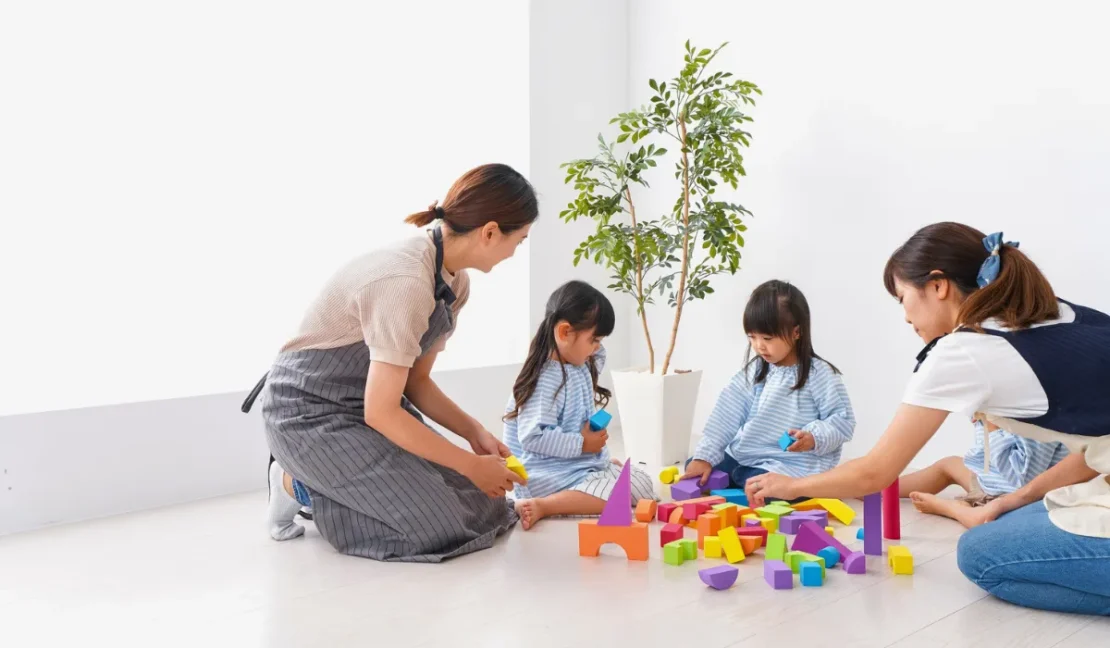
Image Source: Canva
How to Support Your Child’s Development
So, now that we know a bit about the early childhood characteristics, how can you, as a parent, support this exciting time in your child’s life?
1. Encourage Exploration
Children are naturally curious. Encourage their exploration by providing safe spaces to explore, both indoors and outdoors. Take them to the park, allow them to play with different toys, and create a stimulating environment at home.
2. Foster Emotional Intelligence
Talk to your child about emotions, and use books, songs, and games that help them understand feelings. Recognizing and expressing emotions is an important life skill that will help them in school and beyond.
3. Promote Socialization and Cooperation
Set up playdates, enroll your child in group activities, or simply encourage sharing and turn-taking at home. This will help them build strong social bonds and learn essential interpersonal skills.
4. Provide Structure and Routine
While kids love to explore, they also thrive on routine. Structure the day with time for learning, play, meals, and rest. A consistent schedule helps children feel secure and allows them to thrive both physically and emotionally.
Let Your Child’s Early Years Be a Time for Growth
Early childhood is such an exciting and transformative period. From physical milestones to emotional and social growth, it’s a time of rapid development that can be supported with love, understanding, and care. At Apple Tree Pre-School BSD, we’re committed to fostering every child’s development by offering activities that encourage learning, creativity, and emotional growth.
If you’re looking for a nurturing environment that helps your child thrive in their early years, come and register now!. Together, we’ll support your child as they grow into the confident, curious, and compassionate individual they are meant to be!Feel free to reach out to us on WhatsApp or call us at +62 888-1800-900 for more details.