Yesterday, four-year-old Kenji in our Kindergarten 1 class stopped everyone in their tracks with a question that made us all pause and think. While building with blocks, he looked up and asked, “Miss, why do we always build up instead of down? What if we could build into the ground like trees do with their roots?” What followed was the most fascinating twenty-minute discussion about architecture, nature, and creative problem-solving we’d had in months.
That moment perfectly captured what we’re passionate about at Apple Tree Pre-School BSD. Critical thinking activities don’t need to be complicated worksheets or formal lessons. They happen naturally when we create environments that encourage children to question, explore, and think deeply about the world around them.
Here’s what we’ve discovered after years of nurturing young thinkers in our classrooms. Critical thinking isn’t a subject you teach, it’s a way of approaching everything you do. When children learn to ask “why,” “what if,” and “how do we know,” they develop skills that will serve them far beyond their school years.
Foundations of Critical Thinking Development
Critical thinking activities work best when they’re embedded naturally into everyday experiences rather than treated as separate academic exercises. In our classrooms at the Educenter BSD Building, we see children developing analytical skills through play, conversation, and hands-on exploration that feels completely natural and engaging.
Young children are natural critical thinkers, they just need the right environment and encouragement to develop these skills further. When two-year-old Sari systematically tests which objects will fit through different sized holes, she’s engaging in hypothesis testing and scientific reasoning. Our job is to recognize these moments and build upon them.
The key to successful critical thinking development lies in asking open-ended questions that have multiple possible answers rather than drilling children with questions that have single correct responses. When we ask “What might happen if…” or “Why do you think…” we’re inviting children to think deeply and share their reasoning.
Age-Appropriate Thinking Challenges
For our Toddler classes, critical thinking activities focus on cause and effect relationships through sensory exploration and simple problem-solving. Water play becomes an investigation into floating and sinking, while building activities introduce concepts about balance and stability through hands-on experimentation.
Three-year-olds in our Pre-Nursery program love classification activities that challenge them to think about similarities and differences. Sorting shells by size, organizing books by color, or grouping toys by function naturally develops analytical thinking while feeling like enjoyable play.
Our Nursery students tackle more complex thinking challenges through storytelling and prediction activities. “What do you think will happen next in this story?” becomes a launching point for discussions about character motivation, cause and effect, and logical reasoning.
Question-Based Learning Approaches
We’ve learned that the quality of questions we ask dramatically influences the depth of thinking children engage in. Instead of asking “What color is this?” we might ask “Why do you think the artist chose this color for the sky?” The first question has one correct answer, while the second invites creative thinking and personal interpretation.
Encouraging children to ask their own questions often leads to the most meaningful learning experiences. When children wonder aloud about why leaves change colors or how birds know where to fly, they’re demonstrating natural curiosity that we can nurture into deeper investigation and understanding.
The “thinking routine” approach has become invaluable in our classrooms. Simple frameworks like “I see, I think, I wonder” help children organize their observations and develop systematic approaches to analyzing new information or experiences.
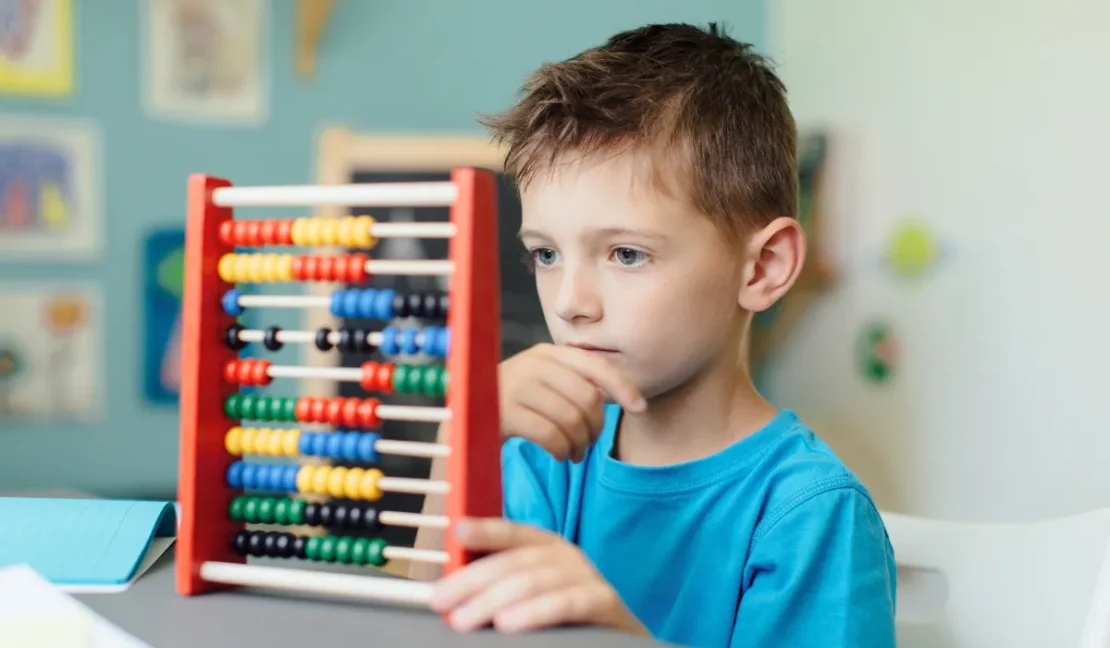
Image Source: Canva
Building Thinking Skills Through Playful Exploration
Play remains the most powerful vehicle for developing critical thinking skills in young children. Through play, children naturally experiment with ideas, test hypotheses, and develop creative solutions to problems they encounter. The key is recognizing the learning happening within play and extending it through thoughtful questioning and additional challenges.
Block building activities provide endless opportunities for critical thinking development. Children must consider balance, symmetry, spatial relationships, and structural integrity while creating their constructions. When buildings fall down, children naturally engage in problem-solving to figure out what went wrong and how to improve their designs.
Dramatic play scenarios encourage perspective-taking and social reasoning as children navigate different roles and relationships. When children play “restaurant,” they must consider customer needs, manage resources, and solve problems that arise, all while thinking from multiple perspectives.
Problem-Solving Games and Puzzles
Age-appropriate puzzles and problem-solving games provide structured opportunities for developing logical reasoning and persistence. We select activities that challenge children without overwhelming them, building confidence alongside thinking skills.
Simple logic puzzles, pattern games, and sequential thinking activities help children develop systematic approaches to problem-solving. The key is choosing activities that match children’s developmental levels while providing just enough challenge to keep them engaged and motivated.
We love activities that have multiple possible solutions rather than single correct answers. Building challenges using various materials allow children to explore different approaches and compare the effectiveness of different strategies.
Creative Exploration Activities
Art activities become powerful vehicles for critical thinking when we encourage children to make choices, experiment with materials, and reflect on their creative processes. “What happens if you mix these colors?” naturally leads to hypothesis formation and testing.
Science exploration activities disguised as play provide rich opportunities for critical thinking development. Simple experiments with magnets, water, or growing plants invite children to make observations, form predictions, and draw conclusions based on evidence.
Music and movement activities can also support critical thinking when children are encouraged to create patterns, respond to changes in rhythm or tempo, and make connections between different musical elements.

Image Source: Canva
Practical Implementation Strategies for Families
Creating thinking-rich environments at home doesn’t require expensive materials or formal curricula. Some of our most effective critical thinking activities happen during everyday routines like cooking, shopping, or traveling around the BSD area.
Cooking together provides natural opportunities for measurement, sequencing, prediction, and problem-solving. Children can hypothesize about what might happen when ingredients are combined, observe changes during cooking processes, and evaluate results based on taste, texture, and appearance.
Reading together becomes more powerful when parents ask thinking questions rather than just checking comprehension. “Why do you think the character made that choice?” or “What would you have done in that situation?” encourage children to think beyond the literal story content.
Home-Based Critical Thinking Activities
Simple activities using household materials can provide rich thinking experiences. Sorting laundry by different criteria, organizing toys in various ways, or creating patterns with everyday objects naturally develop analytical and classification skills.
Nature walks become investigations when children are encouraged to make observations, ask questions, and look for patterns or relationships in the natural world. “Why are some leaves different shapes?” can lead to fascinating discussions about plant adaptation and environmental factors.
Even routine activities like tidying up can become thinking challenges when children are asked to consider the most efficient ways to organize materials or solve storage problems creatively.
Supporting Classroom Learning at Home
Parents can extend and reinforce critical thinking activities from school by engaging in similar questioning techniques and problem-solving approaches at home. When children share stories about their school experiences, parents can ask follow-up questions that encourage deeper reflection and connection-making.
Creating consistency between home and school approaches helps children develop stronger thinking habits and recognize that analytical thinking is valuable in all contexts, not just during formal learning time.
Regular conversations about daily experiences, current events appropriate for young children, and problem-solving situations that arise naturally provide ongoing opportunities for critical thinking development.
Developing critical thinking skills in the early years creates foundations for lifelong learning, creative problem-solving, and confident decision-making. At Apple Tree Pre-School BSD, we’re committed to nurturing young thinkers who approach challenges with curiosity, creativity, and analytical skills that will serve them throughout their lives.
The goal isn’t to rush children into abstract thinking but to honor and build upon their natural curiosity while providing tools and strategies that support deeper investigation and understanding. When children feel confident asking questions and exploring ideas, they develop into lifelong learners who can adapt and thrive in our rapidly changing world.
Our comprehensive programs integrate critical thinking activities naturally throughout each day, ensuring children develop strong analytical skills alongside academic knowledge and social-emotional growth.
Ready to nurture your child’s natural thinking abilities? We’d love to show you how our inquiry-based approach creates confident, curious learners who approach challenges with creativity and analytical thinking. Send us a WhatsApp message or give us a call at +62 888-1800-900.
Come play and learn with other children, because great thinkers are made through great questions and endless curiosity! 🤔💡✨