

The first Ramadan after our daughter turned three, I had these grand visions of peaceful spiritual moments, perfect prayer times, and a beautifully structured daily schedule. Reality hit on day two when she had a complete meltdown at 4 p.m. because she was confused about why we were eating at different times, why her normal snack schedule disappeared, and why everything felt so different. That’s when I learned that creating a Ramadan daily routine for young children isn’t about perfection but about maintaining enough structure that little ones feel secure even as family schedules shift dramatically during the holy month.
Young children thrive on predictability and routine, so when Ramadan arrives with its altered meal times, late nights, early mornings, and general schedule upheaval, many kids struggle with the transition. At Apple Tree Pre-School BSD, we’ve seen how children respond beautifully when they understand what’s happening and when routines remain consistent despite changed circumstances. A thoughtful Ramadan daily routine helps young children feel secure, participate meaningfully in the holy month, and develop positive associations with Ramadan that last their entire lives.
The key to successful Ramadan daily routine planning is balancing spiritual observance with children’s developmental needs for sleep, nutrition, play, and stability. You’re not trying to turn preschoolers into mini adults who can handle adult schedules, but rather creating age-appropriate routines that honor both Ramadan and childhood. Let’s explore how to build a Ramadan daily routine that works for your family while supporting your young children’s physical, emotional, and spiritual wellbeing throughout this blessed month.
Building Your Family’s Ramadan Daily Routine
1. Establish Consistent Wake-Up and Sleep Times
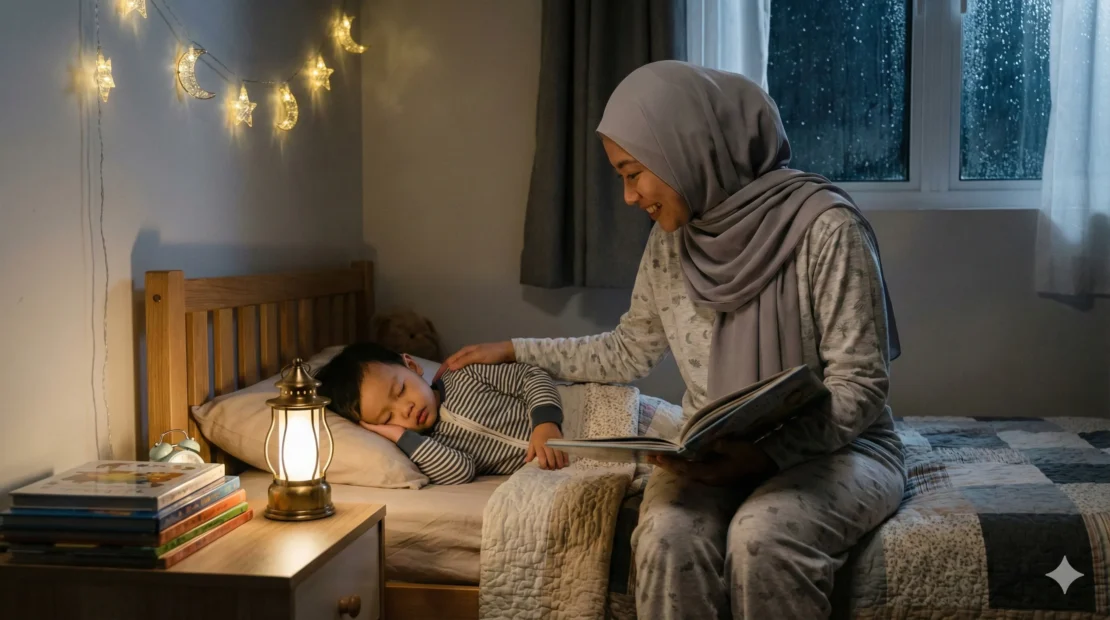
Image Source: AI
One of the biggest challenges when creating a Ramadan daily routine for young children involves managing sleep schedules that get disrupted by late night tarawih prayers, pre-dawn suhoor meals, and general family schedule changes. Children need adequate sleep for healthy development, mood regulation, and immune function, so prioritizing sleep matters even during Ramadan. Decide on realistic wake-up and bedtime schedules that allow for approximately 10 to 12 hours of total sleep for preschoolers, including naps.
If your family wakes for suhoor, you have two options for young children’s sleep schedules. Either wake children briefly for suhoor then return them to bed until normal morning wake time, or let them sleep through suhoor entirely and feed them breakfast at their regular time since young children don’t fast anyway. Many families find that disrupting children’s sleep for suhoor creates overtired, cranky kids all day, so letting them sleep through often works better for everyone’s sanity and the household’s overall Ramadan experience.
For bedtime, try to maintain your children’s regular sleep schedule as much as possible even if adults stay up later for tarawih or socializing. Put children to bed at their normal time in a quiet, dark room away from household activity so they get quality sleep. A well-rested child handles Ramadan schedule changes much better than an exhausted one, and consistent sleep times provide crucial stability when everything else feels different during the holy month.
2. Create Special Ramadan Morning Rituals
Build a Ramadan daily routine that starts each morning with special rituals that help young children connect with the holy month in age-appropriate ways. This might include a short morning dua together, listening to Quran recitation during breakfast, or having a daily Ramadan calendar where children mark off each day and count down to Eid. These morning touchpoints create positive Ramadan associations while providing the predictable routine structure that young children crave.
At Apple Tree Pre-School BSD in the Educenter BSD Building, we’ve seen how morning rituals set the tone for children’s entire day. Consider designating a special Ramadan corner in your home with prayer mats, Quran, Islamic books, and decorations where morning family time happens. Even five to ten minutes of intentional morning connection teaches children that Ramadan is special without overwhelming their limited attention spans or disrupting necessary routines like getting ready for school.
Make mornings joyful rather than rushed or stressful, as this sets your child’s emotional tone for the day. Play gentle Quran recitation in the background during breakfast, let children help prepare simple morning meals, or read short Islamic stories together. These small touches transform ordinary mornings into meaningful Ramadan experiences that children genuinely look forward to rather than viewing the holy month as a confusing disruption to normal life.
3. Maintain Regular Meal and Snack Times For Non-Fasting Children
A crucial element of any successful Ramadan daily routine for young children involves keeping their meal schedules as normal as possible even while adults fast. Young children need regular nutrition throughout the day for energy, growth, mood stability, and healthy development, so don’t skip or delay their meals just because adults aren’t eating. Feed children breakfast, lunch, snacks, and dinner at their usual times, maintaining the nutritional routine their bodies expect and depend on.
We understand this can feel awkward or challenging when you’re fasting and need to prepare and serve food you can’t eat yourself. However, maintaining children’s normal eating schedules prevents the crankiness, energy crashes, and behavioral issues that come from hunger or irregular nutrition. Consider preparing children’s meals the night before, having older children or non-fasting family members handle meal duties, or embracing this as an act of worship where serving your children while fasting demonstrates patience and motherly sacrifice.
Some families create a special children’s eating area during Ramadan where kids can eat their regular meals without fasting family members feeling uncomfortable. Others eat together as a family with children enjoying their meals while adults sip water or simply sit together. Find what works for your family’s comfort level, but prioritize your children’s nutritional needs and routine consistency as non-negotiable elements of your Ramadan daily routine.
4. Schedule Quiet Time or Naps In The Afternoon
Every effective Ramadan daily routine for young children includes protected afternoon quiet time or nap periods that allow children to recharge and help fasting adults rest before the busy evening hours. Most preschoolers still need daytime naps, and even children who’ve outgrown napping benefit from quiet rest periods during the potentially overstimulating Ramadan schedule. Block out 1 to 2 hours in the early afternoon when children play quietly in their rooms, look at books, or nap if they still need it.
This afternoon quiet time serves multiple purposes in your Ramadan daily routine. Children who rest or nap handle the evening schedule changes better, have patience for pre-iftar preparations, and enjoy rather than endure family gatherings or tarawih attendance. Meanwhile, fasting parents get crucial rest time when energy naturally dips in the afternoon, helping you be more patient, present, and spiritually focused during evening prayers and family time. Everyone benefits from this built-in rest period.
Establish clear expectations and boundaries around quiet time so children understand this is non-negotiable rest period, not optional. Create a calm environment with dim lights, quiet activities like puzzles or coloring books, and perhaps soft Quran recitation playing. Even if children don’t sleep, an hour of quiet play in their room gives both children and adults the reset needed to handle evening Ramadan activities with good attitudes and energy.
5. Plan Early Evening Family Connection Time
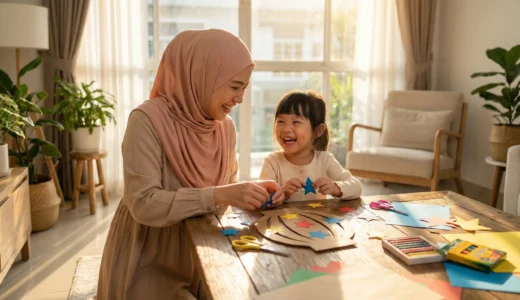
Build into your Ramadan daily routine a special early evening period, perhaps 30 minutes before iftar, dedicated to family connection and Ramadan activities with children. This might include helping prepare dates for breaking fast, setting the table together, making dua lists, reading Islamic stories, or doing simple Ramadan crafts. This intentional family time helps children feel included in Ramadan preparations and creates positive holy month memories they’ll treasure.
Young children often feel excluded during Ramadan as adults focus on fasting, prayers, and spiritual activities that don’t involve them. Deliberately including children in age-appropriate ways through your Ramadan daily routine prevents them from viewing the holy month negatively or feeling ignored. Give them jobs like arranging dates on a plate, filling water cups, or calling family to the iftar table. These small responsibilities make children feel valued and connected to Ramadan observance.
This pre-iftar family time also occupies children during those difficult last minutes before iftar when fasting adults feel tired, hungry, and less patient with typical child energy and needs. Having children engaged in helpful activities or quiet together time reduces the chaos and allows for those precious moments of reflection and gratitude before breaking your fast.
6. Create Realistic Evening Schedules Around Children’s Needs
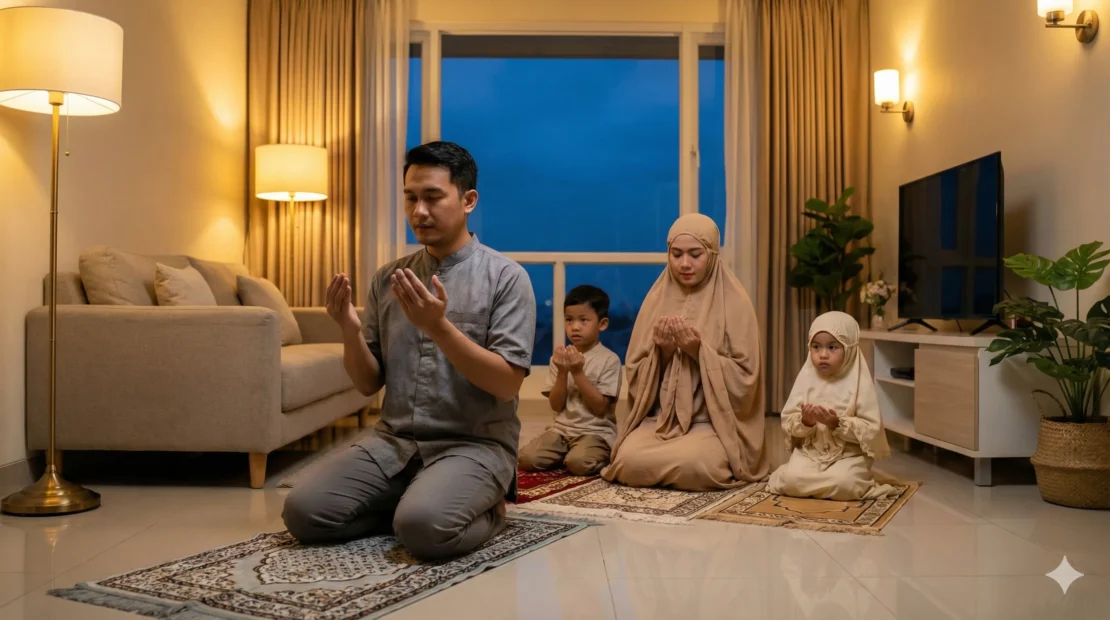
Image Source: AI
The evening portion of your Ramadan daily routine requires the most flexibility and realistic expectations when young children are involved. You might dream of attending full tarawih prayers every night as a family, but realistically, young children can’t handle late nights consistently without becoming overtired, cranky, and making everyone miserable. Decide which evenings are family tarawih nights and which evenings prioritize children’s normal bedtime routines for balance throughout Ramadan.
Consider alternating tarawih attendance between parents so one stays home with sleeping children while the other prays at the mosque. Or attend abbreviated tarawih prayers at mosques offering shorter versions suitable for families with young children. Some nights, pray tarawih at home as a family where children can come in and out as attention spans allow, then transition smoothly to bedtime routines without the logistical challenges of getting home from the mosque with tired kids.
Build evening routines that allow for occasional special Ramadan activities like visiting family for iftar or attending community events without making these late nights the daily norm. Young children can handle occasional schedule disruptions but struggle with consistent late nights throughout an entire month. A sustainable Ramadan daily routine balances meaningful participation in holy month activities with protecting children’s sleep needs and emotional wellbeing.
7. Incorporate Daily Islamic Learning In Small Doses
An enriching Ramadan daily routine includes brief daily Islamic learning moments that teach children about Ramadan’s significance in developmentally appropriate ways. This doesn’t mean lengthy lectures about fasting rules or complex theological concepts, but rather simple, engaging five to ten minute learning sessions about Ramadan stories, basic Islamic values, or age-appropriate spiritual concepts. Make learning interactive through storytelling, coloring activities, or hands-on crafts that reinforce lessons.
Choose one simple concept or story to focus on each day rather than overwhelming children with too much information. Monday might focus on sharing and charity, Tuesday on the importance of prayer, Wednesday on Prophet Muhammad’s kindness, and so on throughout Ramadan. This gradual approach builds Islamic knowledge naturally without creating resistance or boredom from overly ambitious daily lessons that exceed young children’s attention spans or comprehension levels.
We’ve found at Apple Tree Pre-School BSD that children retain information best when learning happens in short, repeated, engaging sessions rather than long, one-time lessons. Daily five-minute Ramadan learning moments throughout the month teach more effectively than occasional lengthy sessions. Keep it light, fun, and connected to children’s daily experiences so Islamic learning becomes a natural, enjoyable part of their Ramadan daily routine rather than a chore they resist.
Practical Tips For Maintaining Your Ramadan Daily Routine
Creating a Ramadan daily routine is one thing, but actually sticking to it throughout the entire holy month requires intention, flexibility, and realistic expectations. These practical tips help you maintain consistency while adapting to the inevitable surprises that come with family life during Ramadan.
Consistency strategies that actually work:
- Write your Ramadan daily routine down and post it somewhere visible so everyone knows the plan and expectations
- Prepare the night before by laying out clothes, packing bags, and prepping meals so mornings run smoothly despite tiredness
- Build buffer time into your schedule because everything takes longer during Ramadan with altered energy and focus levels
- Communicate the routine to children in simple terms they understand so they know what to expect each day
- Use visual schedules with pictures showing daily activities in order for pre-readers to follow independently
- Set realistic goals that account for your actual family dynamics rather than idealized versions of Ramadan routines
- Give yourself and your children grace on difficult days when routines fall apart despite best intentions
- Adjust routines mid-Ramadan if something isn’t working rather than stubbornly sticking to unsuccessful schedules
- Celebrate small wins when routines work well, reinforcing positive experiences for children and yourself
- Remember that some routine structure is better than no structure, even if your Ramadan daily routine isn’t perfect
Building Meaningful Ramadan Memories Through Routine
A thoughtful Ramadan daily routine does more than just manage schedules and prevent chaos. It creates the stable framework within which meaningful family moments and spiritual growth happen naturally. When children know what to expect, feel secure in consistent routines, and participate in age-appropriate Ramadan activities, they develop positive associations with the holy month that shape their relationship with Islam throughout their lives.
We’ve observed how children who experience structured, joyful Ramadan daily routines in early childhood grow into young people who genuinely love Ramadan rather than viewing it as burdensome. The routines you establish now, even imperfectly, teach children that Ramadan is special, family time is precious, and Islamic practice can be both spiritually meaningful and practically manageable. These early experiences create foundations that support their faith development for decades to come.Ready to give your child an education that nurtures structure, independence, and confident learning habits? At Apple Tree Pre-School BSD, we help children aged 1.5 to 6 years develop the routine-following skills and self-regulation that make family life smoother. Our Singapore-based curriculum balances structure with flexibility in nurturing environments at the Educenter BSD Building. WhatsApp us or call +62 888-1800-900 to explore our Toddler through Kindergarten programs where children grow smart, happy, and confident. Ramadan Kareem! 🌙📅💚