

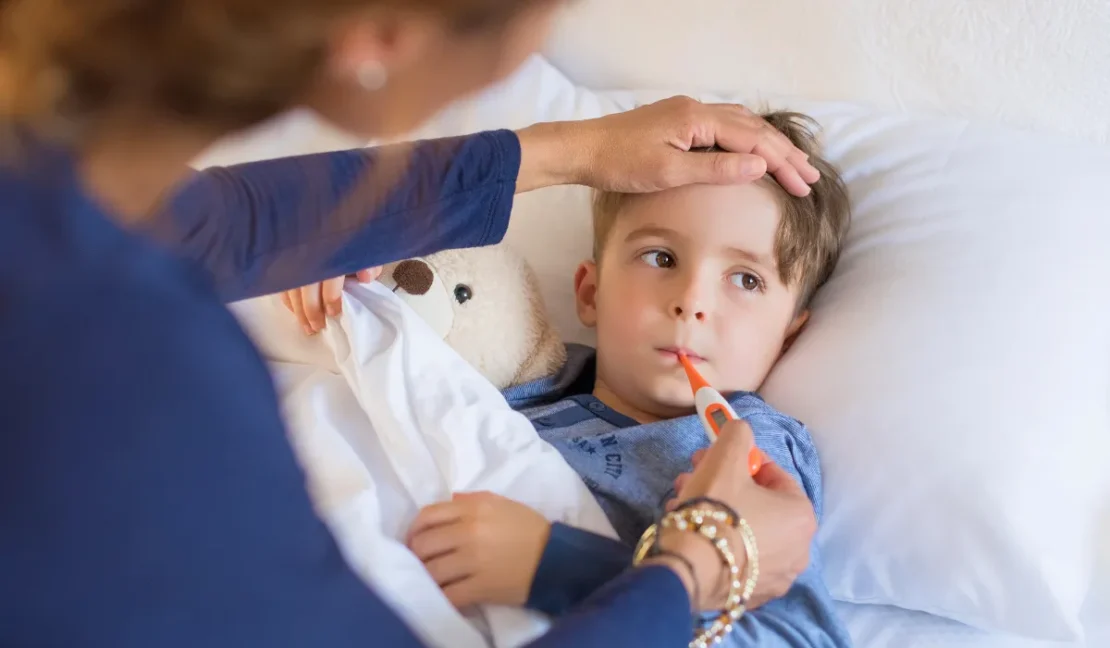
As a parent, there’s nothing more concerning than seeing your child feverish, especially when their fever seems to go up and down for an extended period. You might find yourself wondering: is this normal, or should I be worried? Understanding child fever patterns is key to knowing when to seek help and when to let it run its course. Let’s take a closer look at this common issue and how you can navigate it with confidence.
At Apple Tree Pre-School BSD, located in the Educenter BSD Building, we often work with parents who are concerned about their children’s health. Fever is a natural response to infection, but when it persists or fluctuates, it can leave you feeling uncertain. Let’s walk through some important things to know.
What Are Child Fever Patterns?
First, it’s important to understand that fever patterns in children can vary. A fever itself is just a symptom, typically indicating that your child’s body is fighting off an infection. But how high the fever goes, how long it lasts, and whether it fluctuates can all depend on various factors, such as the underlying cause and your child’s age.
When a child experiences up-and-down fever patterns, it might feel confusing or even alarming. Sometimes, a fever rises in the evening and drops in the morning, or it can seem to fluctuate from one day to the next. This is actually quite common and can happen in response to viruses, bacteria, or even teething in younger children.
Why Does a Child’s Fever Fluctuate?
Fever often follows a natural cycle where it peaks and then decreases as the body fights the infection. The reason it may seem to fluctuate, going up and down, is that the body’s immune response isn’t linear. Your child’s body is actively fighting off whatever virus or bacteria is causing the fever, and it can take time for the body to stabilize.
At Apple Tree Pre-School BSD, we’ve noticed that many children experience fever patterns where their temperature might go up in the late afternoon or evening, only to drop back to normal by morning. This doesn’t necessarily indicate a serious problem; it’s just how their body is responding.
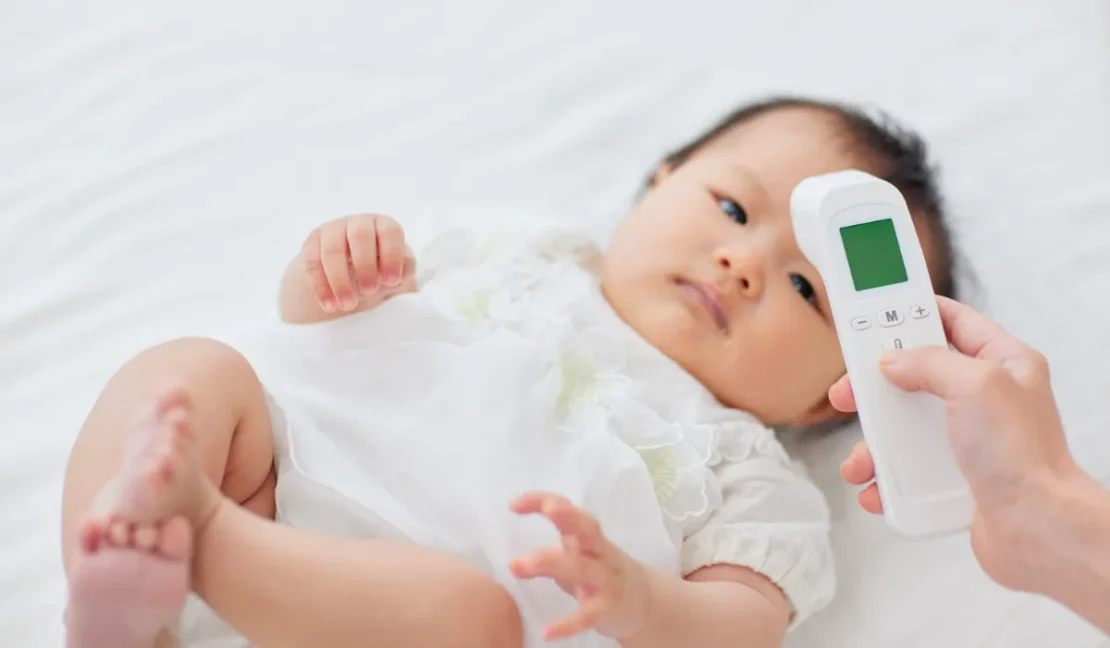
Image Source: Canva
When to Worry About Child Fever Patterns
While fluctuating fevers are common, there are times when you should seek medical attention. If your child’s fever lasts more than 3 days, or if the fever becomes very high (over 39.4°C or 103°F), it’s important to consult a doctor. Other warning signs include:
- Difficulty breathing
- Severe headache
- Persistent vomiting
- Rash or unusual spots
- Lethargy or unusual tiredness
These could be signs of a more serious underlying condition that needs medical attention. At Apple Tree Pre-School BSD, we always encourage parents to trust their instincts if something doesn’t feel right, it’s better to check with a healthcare professional sooner rather than later.
How to Care for a Child With Fever
So, what can you do to help your little one feel better while their body fights the infection? Here are some general tips:
1. Keep Them Hydrated
When a child has a fever, they are at risk of dehydration, so it’s important to make sure they drink plenty of fluids. Water, electrolyte solutions, or even diluted fruit juices can help keep them hydrated. Encourage small sips frequently.
2. Dress Them Comfortably
Dressing your child in light clothing and keeping the room temperature cool can help manage their fever. Overdressing them can cause the fever to worsen. Try to keep the room at a comfortable temperature (around 18-22°C or 64-72°F).
3. Fever-Reducing Medications
Over-the-counter medications like acetaminophen (Tylenol) or ibuprofen (Advil) can help reduce fever and make your child feel more comfortable. Always follow the dosage instructions based on their age and weight, and never give aspirin to children under 18 due to the risk of Reye’s syndrome.
4. Rest, Rest, Rest
Rest is essential for a child’s recovery. Encourage your child to sleep or engage in quiet activities like reading, drawing, or listening to music. The more rest they get, the faster they’ll be able to recover.
5. Monitor Their Temperature
Use a thermometer to monitor your child’s temperature every few hours to ensure it’s not getting too high. If the fever continues to rise or remains high despite medication, it’s time to seek medical attention.
When Is it Time to See a Doctor?
If you’re ever in doubt, don’t hesitate to contact your pediatrician. In many cases, child fever patterns are caused by common viral infections, like colds or flu, which generally improve after a few days. But if your child is showing signs of a more serious illness, it’s always best to err on the side of caution.
You should also consult a doctor if your child is younger than 3 months and has a fever, as this could be a sign of a serious infection. Similarly, if your child is not responding to fever-reducing medications or is becoming increasingly unwell, it’s time to seek professional care.
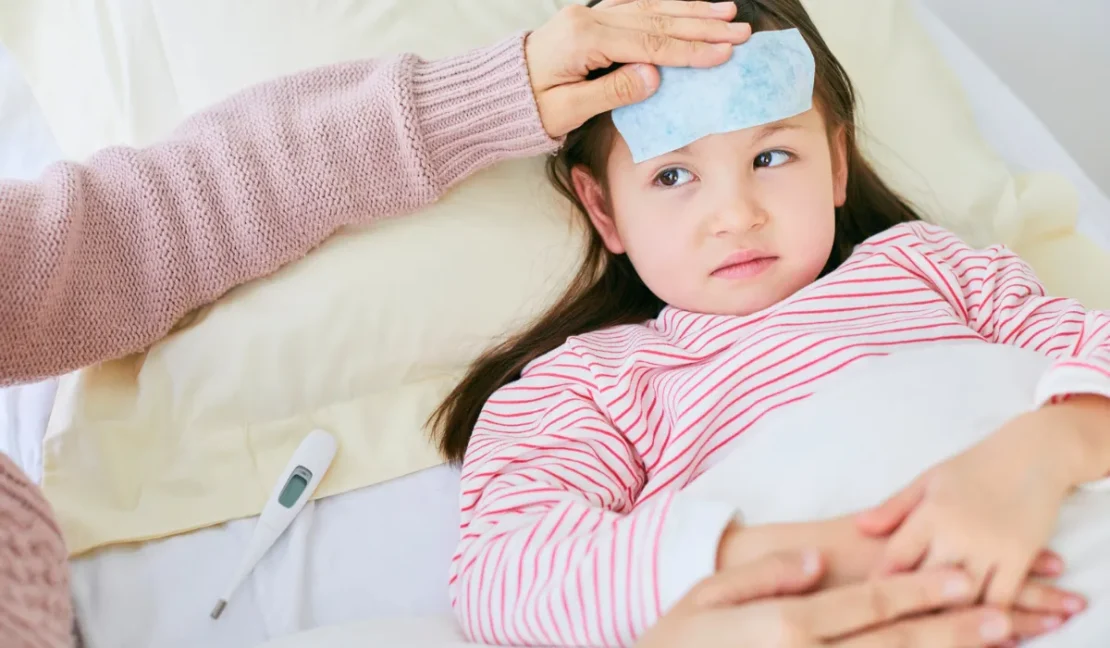
Image Source: Canva
Navigating Fever Patterns with Confidence
While a child’s fever patterns can be a bit of a rollercoaster ride, knowing when to monitor, when to treat, and when to seek professional help can make all the difference. With the right care, most fevers caused by common viral infections will resolve on their own within a few days.
At Apple Tree Pre-School BSD, we focus not only on academic development but also on nurturing the well-being of the children we care for. If you’re a parent dealing with a feverish child, remember to trust your instincts and seek medical advice if necessary. We’re here to support you every step of the way!
Register now! Come join our community where your child can grow, learn, and be cared for in a safe and supportive environment!
For more information, or if you have any questions, feel free to contact us on WhatsApp or call us directly at +62 888-1800-900.