

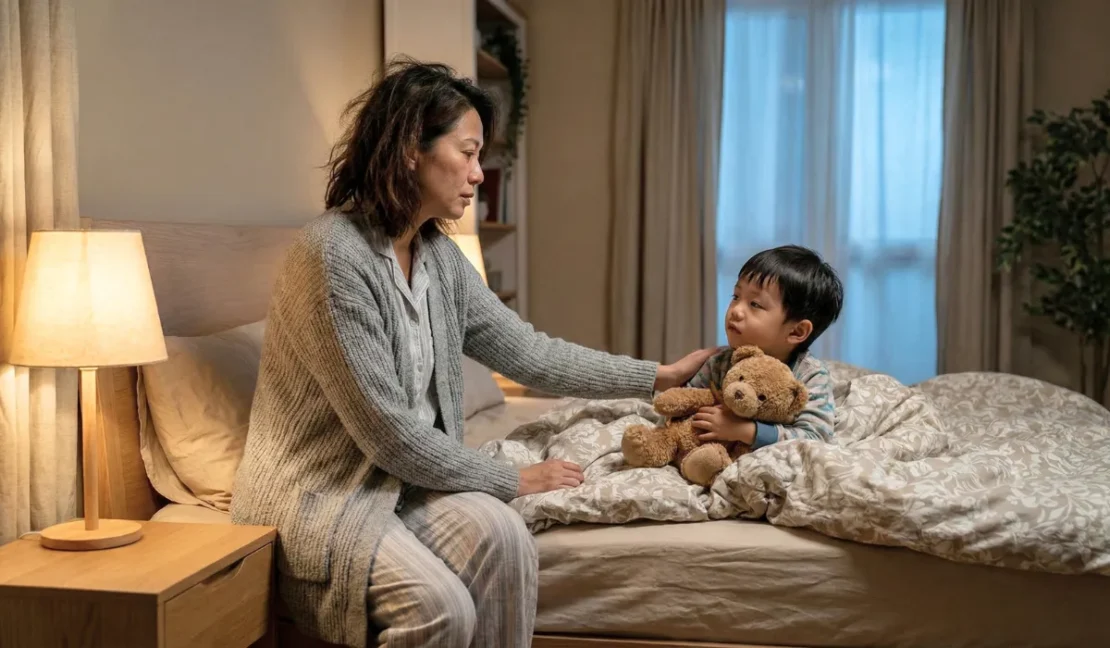
Last night at around 2 AM, I received a message from one of our parents, Sarah, asking if it was normal that her three-year-old son kept waking up multiple times and refused to go back to sleep without her sitting beside him for hours. She sounded exhausted, and honestly, her situation is something we hear about constantly from families here at Apple Tree Pre-School BSD. Child sleep problems are one of the most common challenges parents face, yet so many feel isolated thinking their situation is unique or that they’re somehow failing. The truth is, understanding the causes of nighttime sleep struggles and how poor sleep impacts your child’s growth is absolutely crucial information that every parent deserves to have.
Sleep might seem like a simple biological function, but when child sleep problems show up, everything changes. Bedtime becomes a battle, parents become sleep-deprived zombies, and children start showing behavioral and developmental issues that can alarm even the calmest parent. At our location in the Educenter BSD Building, we’ve noticed that children with significant child sleep problems often struggle with focus, emotional regulation, and social interactions during their school days.
What fascinates me is how interconnected everything is. Child sleep problems don’t exist in isolation, they’re usually symptoms of underlying issues that, once identified, can be addressed thoughtfully and often quite effectively. The impact of poor sleep on your child’s growth, development, learning, and emotional wellbeing is profound, which is exactly why we need to talk about this openly and honestly.
1. Understanding Child Sleep Problems and Their Root Causes
Child sleep problems come in many forms, from difficulty falling asleep to frequent night waking, night terrors, sleepwalking, or simply refusing to stay in bed. Understanding the specific nature of your child’s sleep struggles is the first step toward finding solutions that actually work for your family.
The causes behind child sleep problems are surprisingly varied and often interconnected. Sometimes it’s physical, sometimes it’s psychological, and sometimes it’s simply about habits and environment. What makes child sleep problems particularly tricky is that what works beautifully for one child might be completely ineffective for another, even within the same family.
Physical Causes of Child Sleep Problems
One of the most overlooked aspects of child sleep problems is addressing physical health factors first. Before assuming behavioral or emotional causes, it’s worth checking whether something medical is contributing to your child’s nighttime struggles.
Common physical causes of child sleep problems include ear infections, reflux, allergies, asthma, or other health conditions that cause discomfort. Sleep apnea, while less common in young children, can significantly disrupt sleep and should be ruled out if your child snores heavily or seems to stop breathing during sleep.
Food sensitivities and dietary choices can also trigger child sleep problems. Sugary snacks before bed, caffeine sources like chocolate, or foods that cause digestive discomfort can keep children awake or cause restless sleep throughout the night.
Common Physical Factors Contributing to Child Sleep Problems:
- Ear infections or dental discomfort
- Reflux or digestive issues
- Allergies or congestion
- Asthma or breathing difficulties
- Hunger or thirst
- Inappropriate room temperature
- Uncomfortable bedding or sleepwear
- Sleep apnea or breathing pauses
- Food sensitivities or dietary triggers
Developmental Stages and Child Sleep Problems
Here’s something that surprised many parents we work with: child sleep problems often spike during specific developmental stages. Understanding that these regressions are developmentally normal helps you feel less panicked and more capable of handling them.
Around age two, many children experience what we call sleep regression as they develop increased independence and start testing boundaries. Around three to four years, nightmares and night fears become common as imagination develops. These developmental child sleep problems typically resolve with patience, consistency, and reassurance rather than major interventions.
The key distinction is recognizing whether your child’s sleep struggles are temporary developmental adjustments that require supportive presence or whether they’re patterns that need more active intervention. Most developmental child sleep problems resolve within a few weeks to a couple months if parents can stay consistent during the adjustment period.
Environmental and Behavioral Causes of Child Sleep Problems
Your child’s sleep environment plays a massive role in whether child sleep problems develop or resolve. The bedroom should be dark, quiet, cool, and associated with sleep rather than play or screen time.
Inconsistent bedtime routines, irregular sleep schedules, and too much stimulation before bed are surprisingly common contributors to child sleep problems. When bedtime varies by an hour or more each night, or when children transition from active play to sleep without wind-down time, their nervous systems struggle to shift into sleep mode.
Screen time in the hour before bed is particularly problematic for child sleep problems because blue light suppresses melatonin production. Additionally, the stimulating content keeps young brains alert and engaged when they should be settling down.
Environmental and Behavioral Factors Behind Child Sleep Problems:
- Irregular or inconsistent sleep schedules
- Bedrooms that are too light, loud, or warm
- Screen time close to bedtime
- Overstimulating activities before sleep
- Inconsistent or missing bedtime routines
- Caffeine or sugar intake in afternoon or evening
- Too much napping during the day
- Bedroom used for play or other activities
- Lack of wind-down transition time
Emotional and Psychological Causes of Child Sleep Problems
Child sleep problems often have emotional roots that parents might not immediately recognize. Anxiety, fear of the dark, separation anxiety, or stress from major life changes can all disrupt sleep significantly.
Transitions like starting preschool, moving to a new home, welcoming a sibling, or experiencing parental conflict can trigger child sleep problems as children process big feelings and changes. Some children internalize stress more than others, and for sensitive kids, even positive changes can temporarily disrupt sleep.
It’s worth reflecting on what’s happening in your child’s life when child sleep problems suddenly appear or intensify. Often, addressing the underlying emotional concern goes much further than just trying to fix the sleep behavior itself.
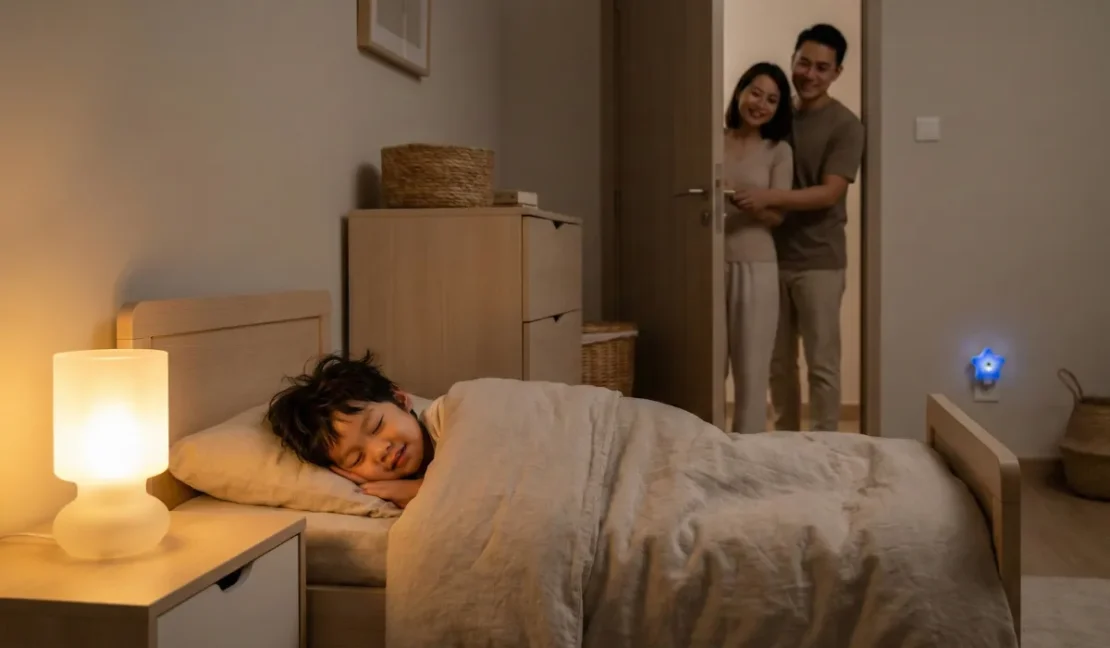
Image Source: Ai
2. The Impact of Child Sleep Problems on Growth and Development
This is where things get really important to understand. Child sleep problems aren’t just an inconvenience for parents, they have genuine consequences for your child’s physical growth, cognitive development, emotional regulation, and learning ability.
Physical Growth and Child Sleep Problems
Most people don’t realize that significant growth hormones are released during deep sleep, particularly during the first few hours of the night. When child sleep problems prevent your child from getting adequate deep sleep, it can literally impact how tall they grow and how healthy their body develops.
Children who consistently experience child sleep problems also tend to have weaker immune systems, getting more frequent colds, ear infections, and other illnesses. During sleep, the body does essential repair work and strengthens immune response, so disrupted sleep means your child is more vulnerable to illness.
Additionally, chronic child sleep problems are associated with higher obesity rates in children. This happens through multiple mechanisms, including increased cortisol levels that affect metabolism, changes in hunger hormones, and reduced energy for physical activity during the day.
Physical Development Impacts of Child Sleep Problems:
- Slower growth and development
- Weakened immune system function
- Increased susceptibility to illness
- Metabolic changes affecting weight
- Reduced physical development
- Slower motor skill development
- Greater injury risk from reduced coordination
- Hormonal imbalances affecting development
Cognitive Development and Learning Affected by Child Sleep Problems
The developing brain undergoes critical consolidation during sleep, where information from the day gets organized and stored in long-term memory. Child sleep problems directly interfere with this essential learning process, making it harder for your child to retain information and develop academic skills.
Children with significant child sleep problems often show reduced attention span, difficulty concentrating, and poor memory. In preschool and kindergarten, we notice that children experiencing child sleep problems struggle more with phonics, letter recognition, and following instructions, not because they’re less capable, but simply because their brains aren’t getting the rest they need to function optimally.
The relationship between sleep and learning is so well-established that when we see child sleep problems affecting a student, addressing sleep quality often makes a bigger difference in their learning than any educational intervention we could provide.
Cognitive and Learning Impacts of Child Sleep Problems:
- Reduced attention span and focus
- Poor memory and information retention
- Slower learning and academic progress
- Difficulty with language development
- Reduced problem-solving ability
- Slower processing speed
- Poor decision-making skills
- Difficulty with complex tasks
Emotional Regulation and Behavioral Issues from Child Sleep Problems
Here’s something that might surprise you: many behavioral problems that parents and teachers attribute to discipline issues are actually symptoms of child sleep problems. When children are exhausted, their emotional regulation systems basically shut down.
A well-rested child can handle frustration, disappointment, and transitions reasonably well. An overtired child melts down at the smallest inconvenience. Child sleep problems create a cascade of behavioral issues that look like defiance or poor impulse control but are actually just exhaustion.
Interestingly, overstimulated children often look like they have too much energy, but they’re actually exhausted. The ironic thing about child sleep problems is that exhausted children often seem hyperactive and have even more difficulty settling down for sleep, creating a vicious cycle.
Emotional and Behavioral Impacts of Child Sleep Problems:
- Increased irritability and mood swings
- Difficulty managing frustration
- Increased aggression or defiance
- Poor impulse control
- Anxiety and emotional reactivity
- Reduced ability to handle transitions
- Increased whining and clinginess
- Hyperactivity and restlessness
3. Addressing Specific Types of Child Sleep Problems
Different child sleep problems require different approaches, so let’s look at some common scenarios and what tends to help.
Difficulty Falling Asleep as a Type of Child Sleep Problem
When child sleep problems involve your child taking an hour or more to fall asleep despite being tired, the issue usually involves either the nervous system not shifting into sleep mode or anxiety about sleep itself.
Creating a calm, consistent bedtime routine is fundamental for addressing this type of child sleep problem. The routine should start about 30 minutes before desired sleep time and include calming activities like bath time, reading, quiet music, or gentle stretching.
Addressing daytime anxiety and ensuring adequate physical activity during the day also helps with child sleep problems involving difficulty falling asleep. Sometimes these children benefit from wind-down activities specifically designed to calm the nervous system, like progressive muscle relaxation or guided breathing.
Night Waking and Frequent Awakening as Child Sleep Problems
If your child falls asleep fine but wakes multiple times during the night, you’re dealing with a different type of child sleep problem that often responds to different solutions. Night waking child sleep problems might involve checking on sleep associations, ensuring the sleep environment is consistent, or ruling out physical discomfort.
Many child sleep problems involving frequent night waking improve significantly when parents stop responding to every sound the child makes. Sometimes children can return to sleep on their own if given the opportunity, and parental intervention actually creates the dependency that becomes the child sleep problem.
However, this doesn’t mean ignoring your child’s genuine needs. The balance is figuring out which wakings need immediate response and which ones your child might manage independently.
Nightmares and Night Terrors as Manifestations of Child Sleep Problems
These are two different child sleep problems that parents often confuse. Nightmares are bad dreams that wake your child, usually during lighter sleep in the later part of the night. Night terrors are actually more dramatic but less conscious, happening during deep sleep where your child might scream, thrash, or seem terrified but doesn’t actually wake.
Child sleep problems involving nightmares often respond to stress reduction during the day and avoiding scary content before bed. Night terrors are typically developmental and usually resolve on their own without intervention, though keeping your child safe during episodes is important.
4. Practical Strategies for Resolving Child Sleep Problems
Now for the good stuff, because there are actually quite a few evidence-based strategies that help resolve child sleep problems effectively.
Creating Sleep-Friendly Routines to Address Child Sleep Problems
A consistent bedtime routine is one of the most powerful tools for addressing child sleep problems. The routine signals to your child’s body and brain that sleep is coming, helping the nervous system shift into sleep mode.
An effective bedtime routine for addressing child sleep problems typically includes a warm bath, pajamas, a calming activity, and cuddles or quiet time together. The key is consistency, doing roughly the same activities in the same order at the same time every night.
Elements of a Sleep-Promoting Routine to Help with Child Sleep Problems:
- Consistent bedtime and wake time, even on weekends
- Warm bath or shower
- Comfortable pajamas and sleepwear
- Brushing teeth and bathroom time
- Calming activity like reading or quiet music
- Dimmed lighting to encourage melatonin production
- 10 to 20 minutes of calm connection time
- Clear boundary about bedtime and sticking to it
Environmental Adjustments for Child Sleep Problems
Making sure your child’s bedroom supports sleep is fundamental for addressing child sleep problems. The room should be dark, quiet, cool, and used primarily for sleep rather than play.
For child sleep problems related to darkness or noise sensitivity, blackout curtains and white noise machines can make a huge difference. Some children with sensory sensitivities that contribute to child sleep problems benefit from weighted blankets or specific bedding that feels comforting.
The temperature should be on the cool side, around 16 to 20 degrees Celsius is often cited as ideal for sleep. Overheated rooms contribute significantly to child sleep problems, particularly for young children who can’t regulate their own temperature as effectively.
Addressing Daytime Habits That Contribute to Child Sleep Problems
Sometimes child sleep problems are actually rooted in daytime habits rather than nighttime issues. Ensuring your child gets adequate physical activity and natural light exposure during the day helps regulate sleep-wake cycles and makes it easier to address child sleep problems.
Limiting sugary snacks, particularly in the afternoon and evening, prevents the energy crashes and blood sugar dysregulation that can worsen child sleep problems. Ensuring adequate hydration during the day but tapering off liquids in the hour before bed helps with child sleep problems involving frequent bathroom trips.
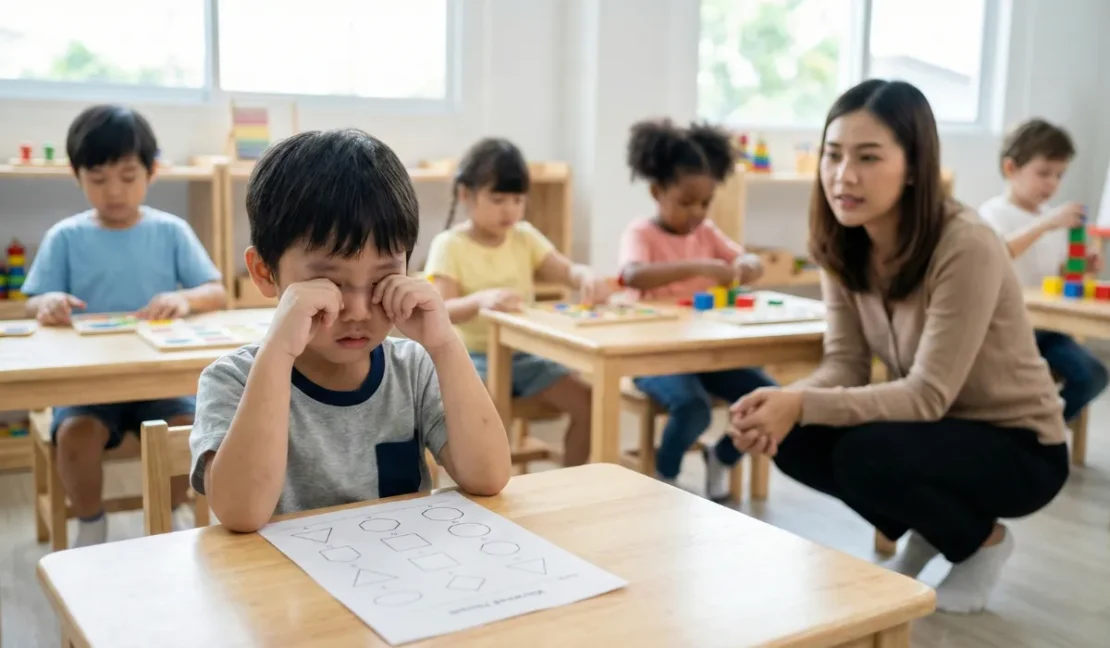
Image Source: Ai
5. When to Seek Professional Help for Child Sleep Problems
Most child sleep problems can be addressed with the strategies we’ve discussed, but sometimes professional support is beneficial.
If your child’s child sleep problems persist despite consistent efforts over several weeks, it’s worth consulting your pediatrician to rule out underlying health conditions. Some child sleep problems indicate underlying sleep disorders that benefit from specialist evaluation.
Child sleep problems affecting your family’s wellbeing significantly, causing parents to become dangerously sleep-deprived or creating family conflict, are situations where working with a child sleep consultant or behavioral sleep specialist can be incredibly valuable.
FAQ About Child Sleep Problems
Q: How much sleep does my child actually need?
A: Toddlers typically need 11 to 14 hours total, including naps. Preschoolers usually need 10 to 13 hours total. If your child is getting significantly less than these ranges, child sleep problems might improve simply by prioritizing more sleep.
Q: Is it ever okay to use sleep medications for child sleep problems?
A: This is something to discuss with your pediatrician. Most child sleep problems resolve through behavioral strategies without medication. Medications are typically reserved for specific medical conditions or extreme cases where behavioral approaches haven’t worked.
Q: My child sleeps fine at school but has terrible child sleep problems at home. Why?
A: This is actually quite common and usually indicates that child sleep problems are related to habits or the home environment rather than underlying health conditions. Applying school consistency and routines to home often helps significantly.
Q: How long does it usually take to resolve child sleep problems?
A: With consistent effort, many child sleep problems improve within 2 to 4 weeks. Some child sleep problems take longer, particularly if they’ve been happening for a long time or if there are multiple contributing factors.
Q: Is controlled crying the only way to address child sleep problems?
A: Not at all. While controlled crying works for some families addressing child sleep problems, there are many other approaches that don’t involve letting your child cry. The best approach is the one that feels right for your family and that you can implement consistently.
Q: Can starting preschool help resolve child sleep problems?
A: Sometimes yes. The increased physical activity, structured routine, and peer interaction at preschool can help with child sleep problems. However, the transition to preschool itself can temporarily worsen child sleep problems before they improve.
Sleep Better Tonight, Watch Your Child Thrive
Child sleep problems are one of the most solvable challenges parents face, yet so many struggle alone thinking there’s something wrong with their child or their parenting. The reality is that understanding the causes of child sleep problems and having practical strategies to address them can transform not just bedtime, but your entire family’s wellbeing.
At Apple Tree Pre-School BSD, we’ve observed firsthand how much a child’s behavior, learning, and happiness transform once child sleep problems are resolved. We work with families to support healthy sleep habits because we understand that well-rested children are better learners, happier playmates, and more emotionally resilient.
If you’re currently in the thick of child sleep problems and feeling exhausted, know that you’re not alone and that things can genuinely improve. Many of the families we work with have discovered that small changes in routine, environment, and approach made all the difference in resolving their child sleep problems.
If you’d like to explore how your child learns best and what environments help them thrive, we’d love to have you visit. Our programs are designed with children’s developmental needs in mind, including understanding how good sleep supports learning and growth. Come see how play-based learning helps children develop not just academically, but emotionally and socially as well.
Send us a WhatsApp message or give us a call at +62 888-1800-900 if you’d like to chat about your child’s sleep or learning journey.
Come play and learn with other children, because well-rested, happy children are the best learners! 😴✨💚