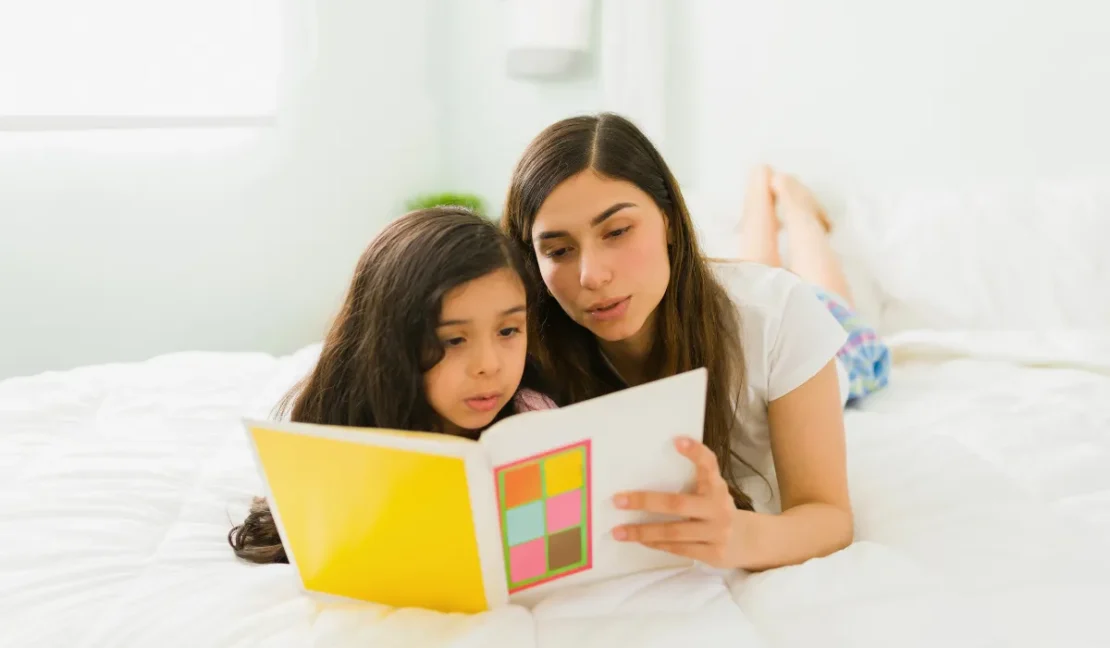
I watched little Rafa last week sitting alone with a picture book. He wasn’t forced to sit there by his teacher. Nobody told him he had to read it. He simply turned the pages slowly, pointing at colorful pictures and making funny sounds. His face glowed with pure curiosity and joy.
That moment perfectly captured what early childhood literacy should be. It’s not about forcing children to memorize letters or recognize words. It’s about nurturing genuine love for stories and reading naturally. It’s about creating environments where books feel like treasures, not obligations.
Many parents ask us how to build early childhood literacy at home. They worry their child isn’t reading yet compared to peers. They stress about flashcards and alphabet drills. We always tell them the same thing: early childhood literacy develops best when children associate reading with joy, not pressure.
At Apple Tree Pre-School BSD, we focus on building early childhood literacy through play and exploration. Our Singapore curriculum integrates early childhood literacy naturally across every subject. We don’t isolate reading into one boring lesson time. Instead, we weave it throughout the entire day.
The foundation for early childhood literacy starts much earlier than formal reading instruction. It begins with hearing stories, exploring books, and developing language naturally. It grows through conversations, songs, and playful interactions. It flourishes when children see adults who love reading themselves. This approach to early childhood literacy creates lifelong learners who genuinely enjoy books.
Early Childhood Literacy Develops Through Play and Stories
Early childhood literacy doesn’t require sitting at desks with workbooks. Children develop reading skills most naturally through play, exploration, and storytelling. When we read stories to young children, we’re building early childhood literacy foundations. We’re expanding their vocabulary and introducing narrative concepts gently.
Think about how children naturally learn language at home. They hear words repeatedly during everyday activities. They imitate sounds and words without formal instruction. The same principle applies beautifully to early childhood literacy. Children absorb literacy skills when they’re embedded in daily routines and play.
We’ve noticed something important over many years in our classrooms. Children who have lots of early childhood literacy experiences at home arrive at preschool more confident. They’re excited about books and stories. They ask to hear stories repeatedly. They point at pictures and ask endless questions. These children develop reading skills faster and with more enthusiasm.
How Play Supports Early Childhood Literacy Development
Early childhood literacy through play looks different than traditional reading lessons. It involves picture walks where children describe what they see. It includes making predictions about what happens next in stories. It embraces dramatic play where children act out favorite stories. It celebrates children’s attempts at writing, even if it’s just scribbles.
When children engage in pretend play, they naturally use language more. They become characters in stories. They create their own narratives and dialogue. They problem-solve together using words and communication. This playful approach strengthens early childhood literacy skills without any pressure at all.
Songs and rhymes build early childhood literacy in joyful ways. Children love the rhythm and repetition of familiar songs. They naturally join in singing favorite tunes. They hear rhyming patterns and sound repetitions clearly. They begin making connections between sounds and letters naturally. These musical experiences support early childhood literacy wonderfully.
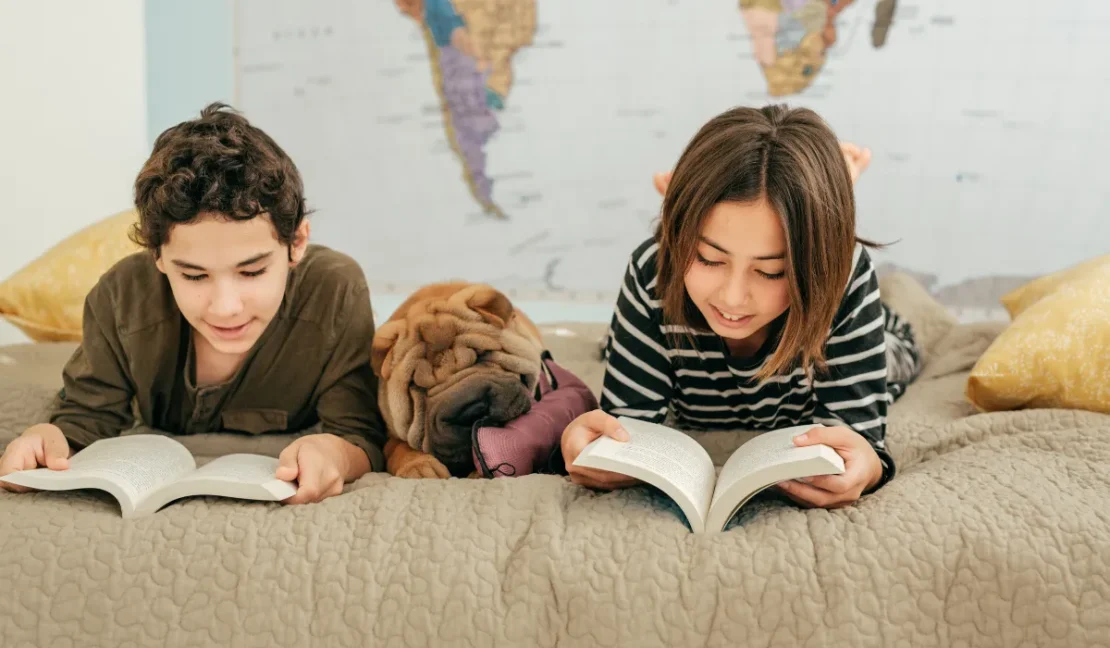
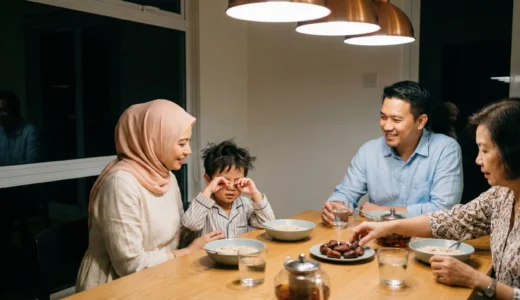
Image Source: Canva
Creating a Language-Rich Environment for Early Childhood Literacy
Early childhood literacy thrives in environments filled with books, labels, and written words. When we create language-rich spaces, children absorb literacy naturally without pressure. They see that reading serves real purposes in daily life. They understand that writing helps people communicate and remember things.
At the Educenter BSD Building, we label everything in our classrooms intentionally. We put words on shelves, doors, and activity areas. We display children’s names in prominent places. We create signs for different classroom areas. This visual exposure supports early childhood literacy development constantly.
Picture books are everywhere in our classrooms, not just on shelves. They’re available during free play time. They’re accessible on low shelves children can reach independently. We have books about animals, people, places, and feelings. We include books with predictable patterns that children enjoy repeating. We add books that reflect diverse families and cultures.
Essential Elements for Language-Rich Early Childhood Literacy Spaces
A language-rich environment gives children constant exposure to words and reading. Here are key elements we incorporate in our classrooms:
- Picture books displayed at child eye level throughout the space
- Labels on objects, shelves, and areas in English and Bahasa
- Children’s artwork displayed with written captions describing it
- Letters, numbers, and words visible on posters and bulletin boards
- A comfortable reading corner with cushions, rugs, and good lighting
- Writing materials available for children’s creative mark-making attempts
- Name tags and labels that help children recognize their own letters
- Song charts with lyrics and illustrations children can follow along
These elements work together to create an environment where early childhood literacy happens naturally. Children see words constantly. They interact with books voluntarily. They notice letters and words in meaningful contexts. They begin understanding that reading and writing serve real purposes in their daily lives.
Reading Aloud as the Heart of Early Childhood Literacy
Reading aloud to children is one of the most powerful tools for building early childhood literacy. When we read stories enthusiastically, we model love for reading. Children see that adults value books and stories. They hear fluent, expressive reading that sounds enjoyable. They experience books as sources of entertainment and information.
We read aloud multiple times daily in our programs. We choose stories that engage young children with humor, action, and emotion. We read predictable books where children join in repeating phrases. We read stories with beautiful illustrations that spark conversation. We read slowly enough for children to ask questions.
During read-aloud time, early childhood literacy happens through interaction. We pause to ask what children think will happen next. We ask why characters made certain choices. We point out interesting words and sounds. We invite children to point at pictures and make connections. This interactive approach to early childhood literacy keeps children engaged and thinking.
The best read-aloud books for early childhood literacy have several characteristics. They feature repetitive language patterns that children enjoy repeating. They include rhyming words that make sound play fun. They tell stories children connect to their own lives. They have illustrations that capture children’s attention and spark questions. They’re appropriate for the age group’s attention span and interests.
Understanding Early Childhood Literacy Development Stages
Children develop early childhood literacy skills at different ages and rates. Understanding these stages helps us support each child appropriately. We avoid comparing children or pushing them ahead before they’re ready. Instead, we celebrate each child’s unique journey in early childhood literacy.
Early Childhood Literacy in Toddlers and Pre-Nursery
Very young children in our Toddler and Pre-Nursery programs are in the earliest literacy stages. They’re exploring books as objects, not yet understanding they contain stories. They love turning pages, pointing at pictures, and hearing your voice. They repeat words they hear, building vocabulary gradually.
Early childhood literacy for toddlers focuses on exposure and interaction. We read board books with sturdy pages toddlers can manipulate easily. We choose books with high-contrast pictures that catch young eyes. We read the same books repeatedly because repetition builds foundations. We talk about pictures and point out objects, animals, and people.
This stage of early childhood literacy is about creating positive associations with books. We want toddlers to reach for books happily. We want them to settle into your lap for story time. We want them to enjoy the closeness and attention that reading together provides. These positive experiences shape attitudes toward reading for years to come.
Early Childhood Literacy in Nursery and Kindergarten
Children in Nursery and Kindergarten programs are developing more sophisticated literacy skills. They begin recognizing letters, particularly letters in their own names. They understand that books have stories with beginnings, middles, and endings. They make predictions about what happens next based on pictures. They ask questions about the stories they hear.
Early childhood literacy instruction becomes more intentional at this stage. We point out letters in familiar words children know. We help children recognize their names in print. We notice rhyming words in stories. We talk about sounds that letters make without overwhelming children. We celebrate every small step in early childhood literacy development.
Children at this stage love stories they can participate in physically. They enjoy books where they lift flaps or touch textures. They love stories with repeated phrases they can chant along with. They enjoy stories about familiar situations in their own lives. These engaging books keep children excited about early childhood literacy.
Supporting Emergent Writing in Early Childhood Literacy
Early childhood literacy includes more than reading alone. It includes children’s attempts at writing and mark-making. Young children make scribbles that represent writing to them. They copy letters they see. They pretend to write shopping lists or signs. These early attempts at writing are important parts of early childhood literacy.
We provide plenty of opportunities for mark-making during early childhood literacy activities. We offer markers, crayons, pencils, and chalk in accessible places. We provide paper, whiteboards, and drawing surfaces. We never criticize children’s writing attempts, even if they’re just random scribbles. We celebrate all attempts as important steps in early childhood literacy. We might ask, “Tell me about your writing,” inviting children to share their ideas.
Children develop early childhood literacy more fully when they see connections between reading and writing. When children write their own names and see those names in books, they make powerful connections. When they dictate stories that adults write down, they learn that words can become written. These experiences support comprehensive early childhood literacy development.
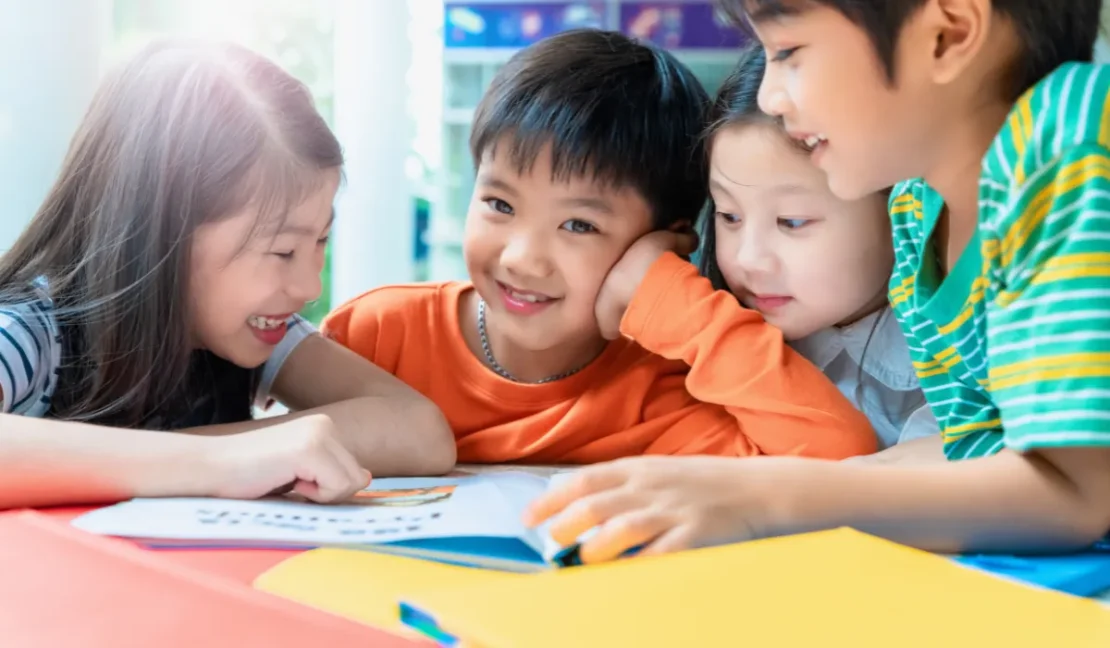
Image Source: Canva
Key Strategies for Supporting Early Childhood Literacy at Home
Parents play a crucial role in building early childhood literacy outside of preschool. Home experiences often determine how much children love reading. Your attitudes about books and reading influence your child’s views. Your willingness to read together builds strong early childhood literacy foundations.
Simple daily habits that support early childhood literacy:
- Read together at bedtime, even just one short book
- Point out words you see during daily activities like grocery shopping
- Talk about pictures in books, asking what your child sees
- Let your child choose books to read together
- Read the same favorite books repeatedly without frustration
- Sing songs and nursery rhymes together during daily routines
- Visit the library regularly to explore new books
- Talk to your child throughout the day, narrating what you’re doing
- Provide paper and crayons for mark-making and pretend writing
- Model reading yourself so your child sees you enjoying books
These simple habits create a literacy-rich home environment. You don’t need special materials or programs for early childhood literacy at home. You just need willingness to engage with your child around books and language. Consistency matters more than complexity in building early childhood literacy.
Frequently Asked Questions About Early Childhood Literacy
Q: My child isn’t interested in books. How can I build early childhood literacy without forcing it?
Follow your child’s interests in early childhood literacy development. If your child loves animals, choose animal books. If they love vehicles, find transportation books. Early childhood literacy doesn’t require sitting still with books. Try reading while lying on the floor together. Read just one page instead of whole books. Let your child choose books. Keep early childhood literacy playful and pressure-free always.
Q: Should I teach my child letters and phonics at home for early childhood literacy?
Early childhood literacy develops naturally through exposure and play first. You don’t need flashcards or worksheets for early childhood literacy at home. Instead, point out letters in real life like on cereal boxes. Sing alphabet songs together. Read lots of books. Play with words and rhymes. Your child will absorb early childhood literacy skills naturally without pressure.
Q: How much time should I spend on early childhood literacy activities daily?
Quality matters more than quantity in early childhood literacy. Even fifteen to twenty minutes of reading daily builds literacy significantly. One or two stories at bedtime counts as early childhood literacy. Reading labels in the grocery store counts. Singing songs together builds early childhood literacy. Short, consistent interactions support early childhood literacy better than occasional long sessions.
Q: My child is getting frustrated with early childhood literacy attempts. What should I do?
Stop immediately and shift focus in early childhood literacy activities. Return to books and activities your child loves. Never push early childhood literacy when children show frustration. The goal is building love for reading, not creating pressure. Some children develop early childhood literacy skills differently or at different ages. That’s completely normal and okay. Early childhood literacy should feel joyful, not stressful.
Q: Will my child fall behind if we don’t push early childhood literacy now?
Research shows that children who love reading catch up quickly later. Children who are pushed into reading before they’re ready often develop negative attitudes. Early childhood literacy built on joy creates lifelong readers. Trust your child’s development and focus on early childhood literacy through play. Children learn best when they feel safe and supported always.
Q: How do I know if my child has good early childhood literacy development?
Signs of healthy early childhood literacy include enjoying stories and asking to hear books repeatedly. Children might point at pictures and ask questions. They notice letters and words around them. They attempt to write scribbles or copy letters. They show interest in words and language. Not all children show all these signs at once. Every child’s early childhood literacy journey looks different and unique.
Building Early Childhood Literacy Together at Apple Tree
Early childhood literacy is too important to rush or force. Children who develop genuine love for reading become lifelong learners. They develop stronger vocabulary and communication skills across subjects. They perform better academically in all areas. They experience books as sources of joy, comfort, and information. These children develop early childhood literacy that serves them throughout their education.
We believe early childhood literacy develops best in warm, supportive environments. At Apple Tree Pre-School BSD, we create spaces where children fall in love with stories naturally. Our classrooms are filled with beautiful books and enthusiastic readers. Our teachers model genuine love for reading and storytelling. Our programs integrate early childhood literacy throughout every activity without pressure.
Our Singapore curriculum supports early childhood literacy development across all age groups. From Toddlers to Kindergarten 2, we build literacy skills playfully. We celebrate each child’s unique journey in early childhood literacy. We communicate with families about early childhood literacy at home. We believe early childhood literacy is a partnership between school and home working together.
Ready to nurture early childhood literacy in your child? Our programs at the Educenter BSD Building create the perfect environment for literacy to flourish. From our Toddler programs starting at age 1.5 through Kindergarten 2 at age 5-6, we support early childhood literacy development naturally. Send us a WhatsApp message or call us at +62 888-1800-900 to learn more about how we support early childhood literacy.
Come visit our classrooms and see early childhood literacy happening joyfully. Watch children reaching for books happily and asking questions about stories. Visit the Educenter BSD Building and explore our language-rich classrooms. Register your child today and help them discover the magic of early childhood literacy! 📚✨🌟