Your three-year-old is bouncing off the walls at 10 AM, can’t seem to focus on a simple puzzle, and switches activities every thirty seconds. You’re wondering if this is normal toddler chaos or if there’s something you should be doing to help them settle down and actually, you know, learn something. The good news? There absolutely is, and it’s way more fun than you’d expect.
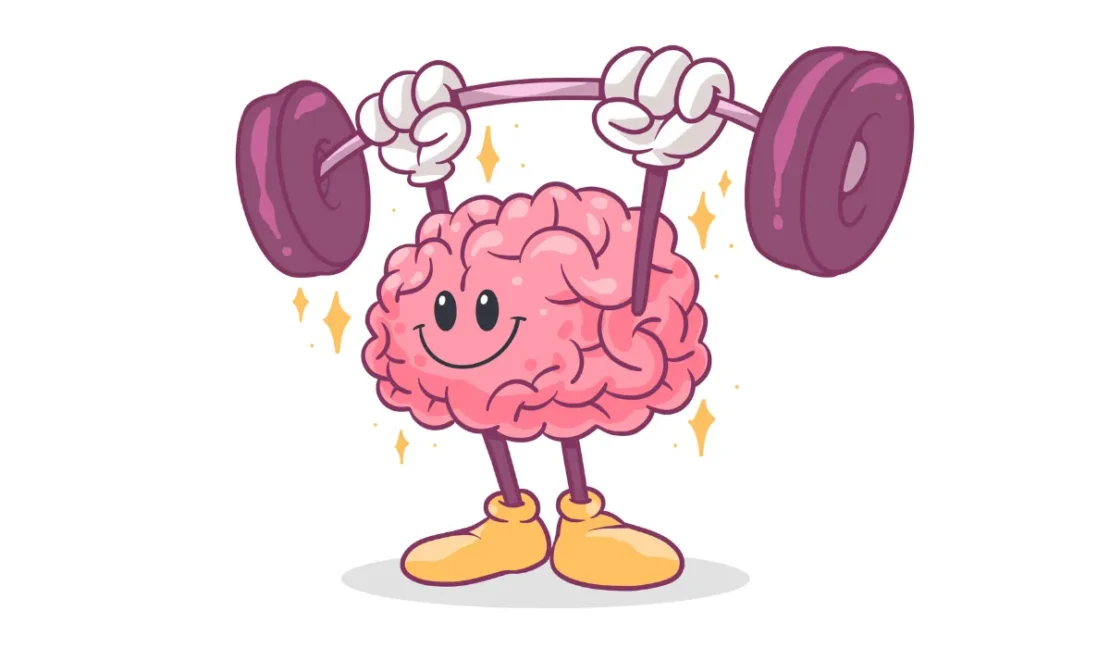
Brain gym exercises are like a secret weapon we use at Apple Tree Pre-School BSD to help children focus better, coordinate their movements, and get their whole body and brain working together. These aren’t complicated workout routines or boring drills. They’re playful, simple movements that look like games but actually create powerful neural connections. We’ve watched fidgety toddlers transform into focused learners, and clumsy preschoolers develop amazing coordination, all through these deceptively simple exercises.
At our Educenter BSD Building campus, brain gym exercises are woven into our daily routine because we’ve seen firsthand how they prepare young minds for learning. Ready to discover movements that can literally rewire your child’s brain for success? Let’s jump in!
What Are Brain Gym Exercises and Why Do They Work
Before we get into specific movements, let’s talk about what brain gym exercises actually are and why they’re not just another parenting trend.
The Science Behind Brain Gym Exercises
Brain gym exercises, also called educational kinesiology, are based on the principle that physical movement enhances learning and cognitive function. When children do specific cross-lateral movements, they’re activating both hemispheres of their brain simultaneously. This bilateral activation creates stronger neural pathways, improving everything from reading readiness to emotional regulation.
Dr. Paul Dennison, who developed the Brain Gym program in the 1970s, discovered that certain movements could dramatically improve learning difficulties. The beauty is that these brain gym exercises work for all children, not just those struggling.
How Brain Gym Exercises Support Early Development
Young children are naturally kinesthetic learners. They learn by doing, moving, and experiencing. Brain gym exercises tap into this natural inclination while specifically targeting areas crucial for school readiness.
These movements improve cross-lateral coordination, which is essential for reading, writing, and mathematical thinking. They also enhance focus, body awareness, and the ability to follow multi-step instructions. In our Physical Education and Creativity classes at Apple Tree, we see daily evidence of how brain gym exercises boost overall development.
The Connection to Academic Success
Here’s something fascinating we’ve noticed in our Kindergarten 1 and 2 classes with 20 children each: students who regularly do brain gym exercises pick up reading and mathematics concepts faster. Why? Because these movements prepare the neural pathways that academic learning requires.
When a child can easily cross their midline (reaching across the body with one hand), track objects with their eyes, and balance their body, they’re demonstrating brain integration. This integration is the foundation for higher-level learning.
Image Source: Freepik
Essential Brain Gym Exercises for Preschoolers
Not all movements are equally effective for young children. Here are the brain gym exercises we use most frequently at Apple Tree Pre-School BSD because they work beautifully for the preschool age group.
Cross Crawl Movement
This is the superstar of brain gym exercises. Have your child stand and lift their right knee while touching it with their left elbow. Then switch: left knee, right elbow. Continue alternating for 30 seconds to a minute.
Why it works: Cross crawl activates both brain hemispheres simultaneously, improving coordination and integration. Miss Sarah always says, “If I could only choose one brain gym exercise for the rest of my teaching career, this would be it.”
Make it fun: Turn it into a marching game with music. We often do cross crawls to upbeat songs in our Music classes, and the kids think they’re just dancing!
Lazy Eights (Horizontal Figure Eight)
Have your child use their finger, or a scarf, or streamer to trace a large figure eight (infinity symbol) in the air. They should start in the middle, go up and around to the left, return to center, then up and around to the right.
Why it works: This movement improves eye tracking, hand-eye coordination, and peripheral vision. All of these are crucial for reading readiness.
Make it fun: Use colorful ribbons or streamers. Let them “paint” lazy eights in the air. In our Creativity classes, we sometimes use actual paint to make lazy eights on large paper.
Brain Buttons
Place one hand over the belly button. With the other hand, find the two soft spots just below the collarbone on either side of the sternum. Gently rub these spots while taking deep breaths for about 30 seconds. Then switch hands.
Why it works: This brain gym exercise increases blood flow to the brain and helps children feel more alert and focused. It’s particularly useful before activities requiring concentration.
Make it fun: Call them “wake-up buttons” or “smart buttons.” Kids love the idea that they have special buttons that make their brain work better!
Hook-Ups for Calming
This is one of our favorite brain gym exercises for settling children down. Have your child sit or stand, cross one ankle over the other, then cross their arms across their chest so their hands rest on opposite shoulders. Hold this position while taking slow, deep breaths.
Why it works: Hook-ups calm the nervous system and help with emotional regulation. When children are overwhelmed, frustrated, or overstimulated, this movement brings them back to center.
Make it fun: Present it as a “super calm” superhero pose. In our Pre-Nursery class with 16 children, we often use hook-ups after active play to transition to quieter activities.
Elephant Walk
Stand with knees slightly bent. Extend one arm straight out, placing the ear against the shoulder of that extended arm. Trace lazy eights in the air with the extended arm while following the hand with the eyes. Do this for 30 seconds, then switch arms.
Why it works: This brain gym exercise integrates the vestibular system (balance) with vision and hearing. It’s particularly good for auditory processing and listening skills.
Make it fun: Make elephant trumpet sounds while doing it! Let them pretend they’re elephants in the jungle. Kids absolutely love this one.
Thinking Cap
Gently “unroll” the outer part of the ears, starting from the top and working down to the earlobes. Do this several times.
Why it works: This simple brain gym exercise improves listening, attention, and short-term memory. The ears have multiple acupressure points that, when stimulated, enhance cognitive function.
Make it fun: Tell them they’re putting on their “smart caps” or “listening ears.” Before story time in our English and Phonics classes, we often do thinking caps to help children focus.
Age-Appropriate Brain Gym Exercises Implementation
Different ages need different approaches. Here’s how to match brain gym exercises to your child’s developmental stage.
For Toddlers (1.5 to 3 Years)
Keep brain gym exercises super simple and short. Attention spans are limited, so think 10 to 15 seconds per movement.
Best exercises for this age:
- Simple cross crawls (marching in place)
- Large lazy eights with whole arm movements
- Brain buttons (with your help)
In our Toddler programs with 12 children per class, we incorporate brain gym exercises into transition times. While lining up or before snack, we might do a quick round of marching or lazy eights.
For Preschoolers (3 to 5 Years)
This age can handle more complex brain gym exercises and longer duration. They can follow multi-step instructions and understand the “why” behind what they’re doing.
Appropriate exercises:
- Full cross crawl sequences
- Hook-ups for emotional regulation
- Thinking caps before listening activities
- Lazy eights with focus on eye tracking
In our Nursery class with 20 children, we dedicate 5 to 10 minutes each morning to brain gym exercises. We’ve noticed a huge difference in focus during subsequent learning activities.
For Kindergarteners (5 to 6 Years)
At this age, children can do the full range of brain gym exercises with good form. They can even remember sequences and do them independently.
Advanced variations:
- Cross crawls while reciting ABCs or counting
- Multiple lazy eight patterns
- Combining movements (cross crawl while doing thinking caps)
Our Kindergarten 1 and 2 students often lead brain gym exercises for younger classes. Teaching others reinforces their own learning and builds confidence.
When to Use Brain Gym Exercises
Timing matters. Using brain gym exercises strategically throughout the day maximizes their benefit.
Morning Wake-Up Routine
Start the day with energizing brain gym exercises like cross crawls and brain buttons. This gets blood flowing to the brain and prepares children for learning.
At Apple Tree, our day begins with a movement session that includes various brain gym exercises. Parents tell us their children are noticeably more focused after this morning routine.
Before Learning Activities
Use brain gym exercises as a transition into focused work. Before practicing letters, numbers, or any seated activity requiring concentration, spend two minutes on movements.
We always do thinking caps before story time and lazy eights before any activity involving reading or visual tracking.
After High-Energy Play
Brain gym exercises like hook-ups are perfect for bringing energy levels down. After outdoor play or active games, these movements help children transition to calmer activities.
Miss Emma uses this technique in Physical Education class. The last five minutes always include calming brain gym exercises so children aren’t returning to their classrooms completely wound up.
When You Notice Frustration
If your child is struggling with something and getting frustrated, pause and do some brain gym exercises. Often, the movement resets their brain and they can approach the challenge with fresh energy.
We keep this tool in our back pocket during our Mathematics and Science classes. When a child hits a wall with a concept, brain gym exercises often provide the breakthrough they need.
Creating a Brain Gym Exercises Routine at Home
Consistency is key. Here’s how to make brain gym exercises a natural part of your daily routine without it feeling like another chore.
Make It Part of Existing Routines
Attach brain gym exercises to things you already do. After brushing teeth in the morning, do cross crawls. Before dinner, practice lazy eights. When these movements become automatic parts of your routine, you’re more likely to stick with them.
Keep Sessions Short and Fun
Five minutes is plenty, especially for younger children. The goal is regular practice, not marathon sessions. Short, playful brain gym exercises trump longer, forced ones every time.
Let Your Child Lead
Once your child learns the movements, let them be the teacher. They can choose which brain gym exercises to do or lead you through a sequence. This ownership increases their engagement and reinforces their learning.
Track Progress Subtly
You don’t need charts and stickers, but do notice improvements. “Wow, your cross crawls are getting so smooth!” or “You can do lazy eights with your eyes closed now!” These observations help children recognize their own growth.
Image Source: Freepik
Common Mistakes with Brain Gym Exercises
Even with the best intentions, there are pitfalls to avoid when implementing brain gym exercises.
Forcing Perfect Form
Young children’s coordination is still developing. Don’t expect or demand perfect execution of brain gym exercises. Approximate movements still provide benefits. Criticism or constant correction kills the fun and defeats the purpose.
Using Them as Punishment
Brain gym exercises should never be “because you’re not focusing, now we have to do exercises.” They should feel like a helpful tool, not a consequence. Keep them positive and empowering.
Expecting Overnight Changes
Brain gym exercises create neural changes over time. You might see some immediate improvements in focus or coordination, but the real magic happens with consistent practice over weeks and months. Be patient and trust the process.
Only Doing Them When There’s a Problem
Don’t wait until your child is struggling to pull out brain gym exercises. Make them preventive rather than reactive. Regular practice builds a strong foundation that prevents many issues from arising in the first place.
Brain Gym Exercises and Learning Challenges
While brain gym exercises benefit all children, they can be particularly helpful for kids facing specific challenges.
Supporting Children with Focus Difficulties
Children who struggle to sit still or pay attention often benefit enormously from brain gym exercises. The physical movement provides the sensory input their brains crave while simultaneously improving focus capacity.
We’ve worked with many fidgety children in our programs. Regular brain gym exercises don’t eliminate their need for movement, but they channel it productively.
Helping with Coordination Issues
Some children are naturally less coordinated. They trip more, struggle with balance, and find activities like coloring or cutting difficult. Brain gym exercises specifically target these coordination challenges.
In our classes covering various subjects from Chinese to Bahasa, we notice that children with better coordination tend to form letters and characters more easily. Brain gym exercises build that foundational coordination.
Building Confidence in Hesitant Learners
Children who are anxious about learning or convinced they “can’t do it” often respond well to brain gym exercises. The movements provide small, achievable wins that build confidence. Success in physical movements translates to willingness to try academic challenges.
Integrating Brain Gym Exercises with Other Activities
Brain gym exercises don’t exist in isolation. They work beautifully when combined with other learning and development activities.
Pairing with Academic Learning
At Apple Tree, our Singapore curriculum is comprehensive, covering everything from Mathematics to Science to Social Studies. We’ve found that incorporating brain gym exercises before and during academic instruction enhances retention and comprehension.
Try doing cross crawls while practicing counting or reciting the alphabet. The cross-lateral movement enhances memory formation.
Combining with Creative Activities
In our Creativity classes, we often begin with brain gym exercises to get both sides of the brain activated. The result? More imaginative, integrated artwork and projects.
Before art projects at home, try some lazy eights. You might notice your child’s drawings become more fluid and confident.
Using During Music and Movement
Our Music classes naturally incorporate many brain gym exercises. Dancing, marching, and coordinated movements all provide similar benefits. Think of formal brain gym exercises as focused practice and music activities as applied practice.
Enhancing Physical Education
Brain gym exercises complement traditional physical education beautifully. They target specific neural pathways that general play might miss. At Apple Tree, our Physical Education curriculum includes both free play and structured brain gym exercises for comprehensive development.
The Long-Term Benefits of Regular Brain Gym Exercises
Let’s talk about what consistent practice of brain gym exercises can do for your child over time.
Improved Academic Performance
Children who regularly do brain gym exercises tend to have better reading fluency, mathematical reasoning, and overall academic achievement. The neural integration these movements create provides the foundation for complex learning.
We track this informally at Apple Tree. Our Kindergarten 2 students who transition to primary school consistently receive positive feedback about their learning readiness.
Better Emotional Regulation
Brain gym exercises, particularly hook-ups and brain buttons, give children tools for managing their emotions. Over time, they learn to recognize when they need calming or energizing and can use movements independently.
This self-regulation is crucial for success not just in school but in life. Teaching children they have control over their state of mind is incredibly empowering.
Enhanced Social Skills
Better focus, improved emotional regulation, and increased body awareness all contribute to better social interactions. Children who are comfortable in their bodies and able to manage their emotions navigate friendships more successfully.
In our Moral and Social Studies curriculum, we emphasize character development. Brain gym exercises support this by giving children the neural tools to implement what they’re learning about kindness, sharing, and cooperation.
Foundation for Lifelong Learning
Perhaps most importantly, brain gym exercises teach children that their brains are malleable, that they can influence their own learning capacity. This growth mindset becomes foundational to how they approach challenges throughout life.
Bring Brain Gym Exercises Into Your Child’s Life
Brain gym exercises might look simple, like just silly movements or games, but they’re actually powerful tools for cognitive development. These deceptively basic movements create neural pathways that support every type of learning your child will encounter.
The best part? They’re free, fun, and take just minutes a day. No special equipment, no complicated instructions, just you and your child moving together and building a better brain in the process.
At Apple Tree Pre-School BSD, we’ve built brain gym exercises into our daily routine because we’ve witnessed their transformative power. Combined with our comprehensive Singapore curriculum covering English, Mathematics, Chinese, Science, and more, these movements help children develop into confident, capable learners.
Ready to give your child every advantage for learning success? Our programs from Toddler through Kindergarten 2 at the Educenter BSD Building integrate brain gym exercises with academic excellence and character development. See how we help young minds grow strong and ready for anything or call us at +62 888-1800-900.
Let’s move, learn, and grow together! 🍎