Last Tuesday afternoon, I watched four-year-old Marcus sitting with a pile of letter cards, completely absorbed in a simple matching game where he had to find pairs of words that rhymed. His concentration was remarkable, but what really got me was his genuine excitement when he successfully matched “cat” with “bat.” That’s when it hit me how powerful educational games english can be for young learners, turning what could feel like boring instruction into pure joy and discovery. At Apple Tree Pre-School BSD, we’ve learned that the most effective language learning happens when children don’t even realize they’re learning because they’re having too much fun to notice.
The truth is, traditional flashcards and repetitive drills don’t work particularly well for preschoolers who learn best through play, movement, and genuine engagement. Educational games english style approaches transform language learning into adventures where children naturally pick up vocabulary, pronunciation, and confidence with the English language. When learning feels like play rather than work, something magical happens in a child’s brain, and suddenly they’re soaking up language skills faster than you’d ever imagine possible.
1. Why Educational Games Transform English Learning
Educational games english methods have revolutionized how we approach language instruction because they tap into children’s natural love of play and competition. Instead of sitting still for formal lessons, children engaged with educational games english activities are moving, laughing, making mistakes, and learning without the pressure that often accompanies structured lessons.
The beauty of using games for language development is that they create low-stress environments where children feel safe to experiment with new words and sounds. When a child makes a mistake during a game, it simply becomes part of the gameplay rather than a failure, which builds confidence and encourages risk-taking in language use. This psychological shift from “performing correctly” to “playing together” transforms how willing children are to try new words and expressions.
Key Benefits of Educational Games for English Learning:
- Creates relaxed, pressure-free environments where language flows naturally
- Increases vocabulary retention through repeated exposure in fun contexts
- Builds confidence and encourages speaking without fear of mistakes
- Develops listening skills through game instructions and peer communication
- Strengthens phonemic awareness and letter recognition playfully
- Encourages social interaction and collaborative language use
- Makes learning feel like entertainment rather than academic work
Research consistently shows that educational games english approaches lead to better retention and more positive attitudes toward language learning compared to traditional methods.
How Games Engage Different Learning Styles
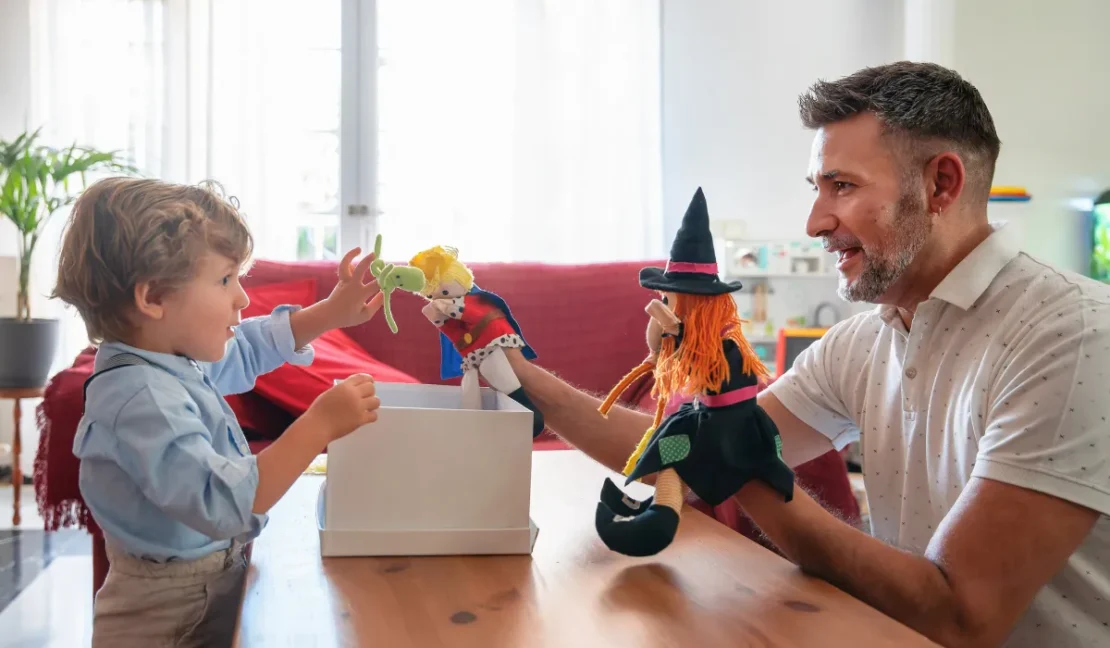
Children in our programs learn in wonderfully different ways, and educational games english can be designed to accommodate visual learners, auditory learners, kinesthetic learners, and everyone in between. A simple rhyming game might engage children who are strong listeners, while letter matching games appeal to visual learners, and movement-based games work perfectly for kinesthetic learners.
The flexibility of educational games means that a single activity can benefit your entire class or family, with each child accessing the learning in a way that suits their particular learning style best.
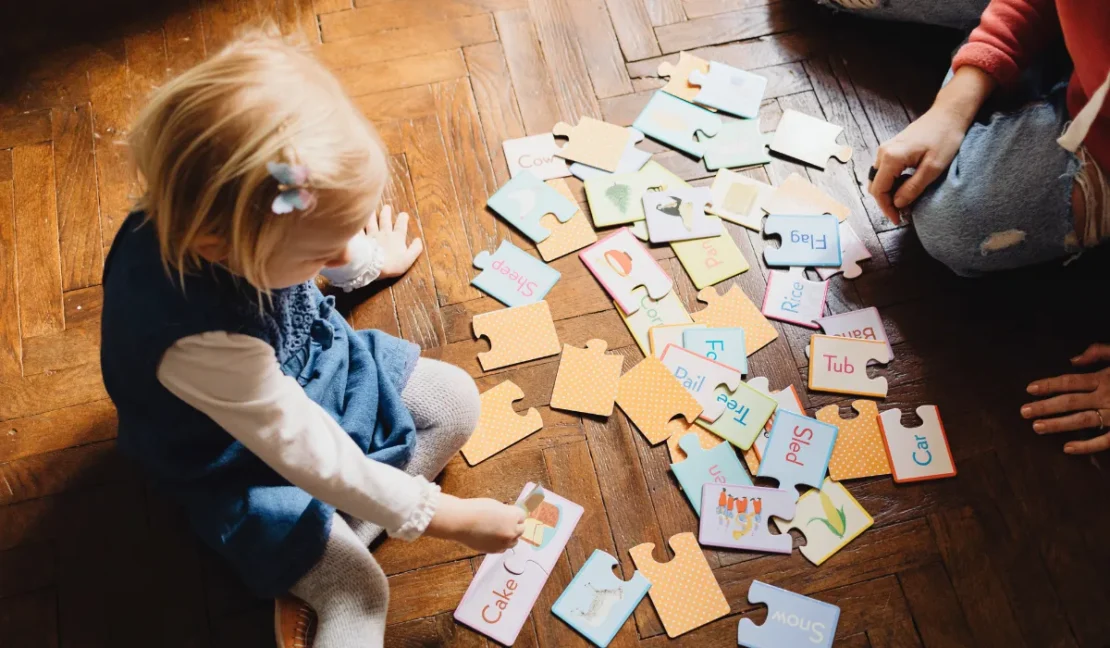
Image Source: Canva
2. Classic Educational Games for Building Vocabulary
Some of the most effective educational games english vocabulary building doesn’t require fancy materials or complex rules. At our location in the Educenter BSD Building, we’ve discovered that simple, well-designed games often outperform elaborate systems because children can focus on language rather than confusing rules.
Memory Matching for Word Recognition
Memory games remain one of the most powerful educational games english learning tools because they naturally build vocabulary while exercising memory and concentration skills. Create simple pairs of cards with pictures and words, then play the classic matching game where children flip cards over and try to find matching pairs.
The beauty of this educational games english approach is that children encounter each word multiple times during a single game session, which dramatically improves word retention. As children become more familiar with the vocabulary, you can gradually increase difficulty by adding more cards or introducing new vocabulary sets. This progression keeps the game challenging and maintains engagement as skills develop.
Variations to Keep Memory Games Fresh:
- Match pictures to words, emphasizing word recognition
- Match word cards to their definitions or example sentences
- Create rhyming pairs to develop phonemic awareness
- Match uppercase letters to lowercase letters with vocabulary words
- Introduce action cards where children must perform actions matching vocabulary words
I Spy Language Edition
Transform the classic “I Spy” game into a powerful educational games english vocabulary activity by having children describe objects using color, size, shape, and other descriptive language. One child describes something they can see while others guess what it is, naturally practicing descriptive vocabulary and listening comprehension skills.
This educational games english variation works beautifully because it requires children to think about how to describe things accurately, which deepens their understanding of vocabulary and develops communication skills in real time.
3. Phonics and Sound Games for Letter Recognition
Phonics-based educational games english activities build the foundational skills children need for reading success. At Apple Tree Pre-School BSD, we integrate phonics games throughout our curriculum because we’ve seen how these educational games english approaches accelerate phonemic awareness development.
Sound Sorting and Letter Bingo
Create educational games english activities where children sort pictures based on beginning, middle, or ending sounds, which develops phonemic awareness while building listening skills. Letter Bingo adapts the classic game format to practice letter recognition and letter sounds, making educational games english learning both familiar and engaging.
These educational games english variations work because they combine movement, social interaction, and repeated exposure to sounds in contexts that feel playful rather than academic.
Rhyming Race Games
Rhyming games represent some of the most effective educational games english phonological awareness builders because they make children acutely aware of sound patterns in language. In a rhyming race, call out a word and have children race to find or name as many rhyming words as possible, building both phonological awareness and vocabulary simultaneously.
This educational games english approach teaches children that words have similar sound patterns, which builds understanding that language has structure and predictability that they can learn to recognize.
4. Storytelling and Narrative Games for Language Production
While educational games english often focus on vocabulary and phonics, storytelling games develop children’s ability to use language creatively and construct meaningful narratives. These activities transform educational games english into opportunities for authentic language use where children produce language rather than simply recognizing it.
Story Dice and Picture Sequencing
Create or purchase story dice with pictures on each side, then have children roll the dice and create stories incorporating the images that appear. Picture sequencing games where children arrange pictures in logical order and tell stories about the sequence develop narrative skills and language production naturally.
These educational games english approaches encourage children to think about beginning, middle, and end structure while practicing storytelling language like “First,” “Next,” and “Finally.”
Character and Setting Adventure Games
Create educational games english activities where children develop characters and settings, then imagine adventures that those characters might have. This might involve drawing pictures, dictating stories to adults who write them down, or dramatic play where children act out their invented stories.
This educational games english variation builds imagination alongside language skills, creating powerful learning experiences where children feel invested in the language they’re producing.
5. Movement and Action-Based Educational Games
Some of the most engaging educational games english activities involve physical movement because they tap into children’s natural energy and need for motion. Movement-based educational games english help kinesthetic learners especially while providing beneficial physical activity for all children.
Simon Says Vocabulary Edition
Transform “Simon Says” into educational games english by using action vocabulary, where children listen for directions like “Simon says touch your toes” or “Simon says hop like a bunny.” This educational games english variation teaches action vocabulary while providing physical activity and listening practice simultaneously.
Children stay engaged because they’re moving and playing rather than sitting still, yet they’re absorbing vocabulary naturally through repetition and context.
Freeze Dance with Vocabulary
Play music and have children dance freely, but when you call out a vocabulary word, children must freeze in a pose that represents that word’s meaning. This educational games english approach creates memorable associations between words and their meanings while providing physical activity.
The combination of music, movement, and vocabulary association creates strong neural pathways that support long-term vocabulary retention in ways that stationary learning cannot achieve.
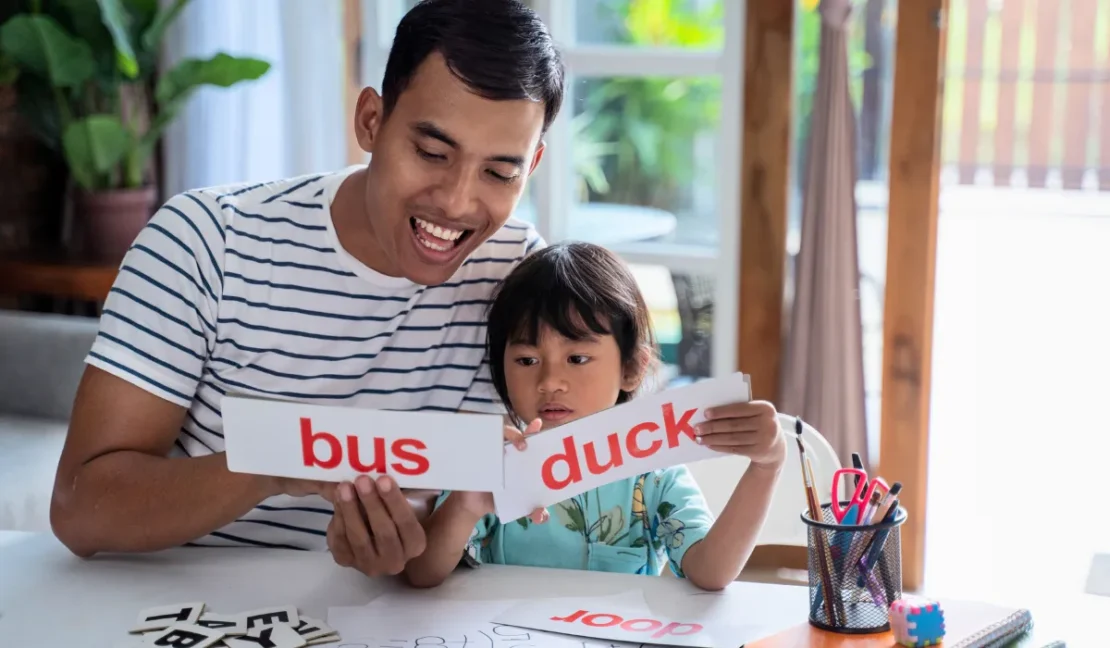
Image Source: Canva
6. Technology and Digital Educational Games
Modern educational games english options include well-designed apps and online games that can supplement in-person learning beautifully. When chosen carefully for age-appropriateness and educational value, these digital educational games english tools provide additional practice opportunities and appeal to children’s natural interest in technology.
Quality Criteria for Digital Educational Games:
- Age-appropriate content and complexity levels
- Focuses on actual language skills rather than just entertainment
- Provides feedback that helps children learn from mistakes
- Offers variety and progression to maintain engagement
- Limits screen time to healthy amounts for young children
- Complements rather than replaces interactive, social language learning
The key with digital educational games english is ensuring they serve as supplements to meaningful human interaction rather than replacements for it.
7. Creating Educational Games English at Home
You don’t need expensive materials to create educational games english activities at home that support your child’s learning. Simple materials like index cards, pictures from magazines, buttons, and household items become powerful educational games english tools when combined with creativity and intention.
Easy DIY Educational Games English Ideas:
- Treasure hunts where clues use vocabulary words your child is learning
- Grocery store role play where children practice shopping vocabulary
- Restaurant games where children order using English vocabulary
- Post office or mail delivery games developing communication vocabulary
- Fashion show or dress-up games practicing clothing vocabulary
- Cooking games incorporating food vocabulary and measurement language
These educational games english activities cost almost nothing but provide enormous value because they’re personalized to your child’s interests and create genuine communication needs.
Educational games english represent some of the most effective, enjoyable approaches to language learning available for young children. At Apple Tree Pre-School BSD, we’ve built our English program around the power of games because we’ve witnessed transformations in children’s confidence, vocabulary, and enthusiasm for language learning when instruction happens through play rather than traditional methods.
The key lies in selecting games that genuinely engage children while targeting specific language skills, then allowing the joy of play to drive learning naturally and organically.
Ready to give your child the gift of confident English through fun, game-based learning? We’d love to show you how our educational games english approach makes language learning an adventure your child will actually look forward to. Send us a WhatsApp message or give us a call at +62 888-1800-900.
Come play and learn with other children, because the best English skills develop when learning feels like the most fun game ever! 🎮🌟📚