
This morning, five-year-old Anya from our Kindergarten 2 class made an observation that stopped us all in our tracks. During our classroom store activity, she carefully counted her play money and announced, “Miss, if I buy two stickers now, I won’t have enough for the book I really want later. I think I’ll wait.” That moment of delayed gratification and financial planning from a preschooler perfectly captures why financial literacy for children should start much earlier than most people think.
At Apple Tree Pre-School BSD, we’ve discovered that young children are incredibly capable of understanding money concepts when they’re presented in age-appropriate, hands-on ways. The key isn’t teaching complex economic theories, but rather helping children develop healthy relationships with money, understand basic concepts like earning and saving, and practice making thoughtful choices about spending.
Here’s what might surprise you about financial education for young children. It’s not really about money at all, at least not initially. It’s about developing self-control, understanding cause and effect, learning to make choices, and recognizing that resources are limited and valuable. These foundational skills become the bedrock for all future financial decision-making.
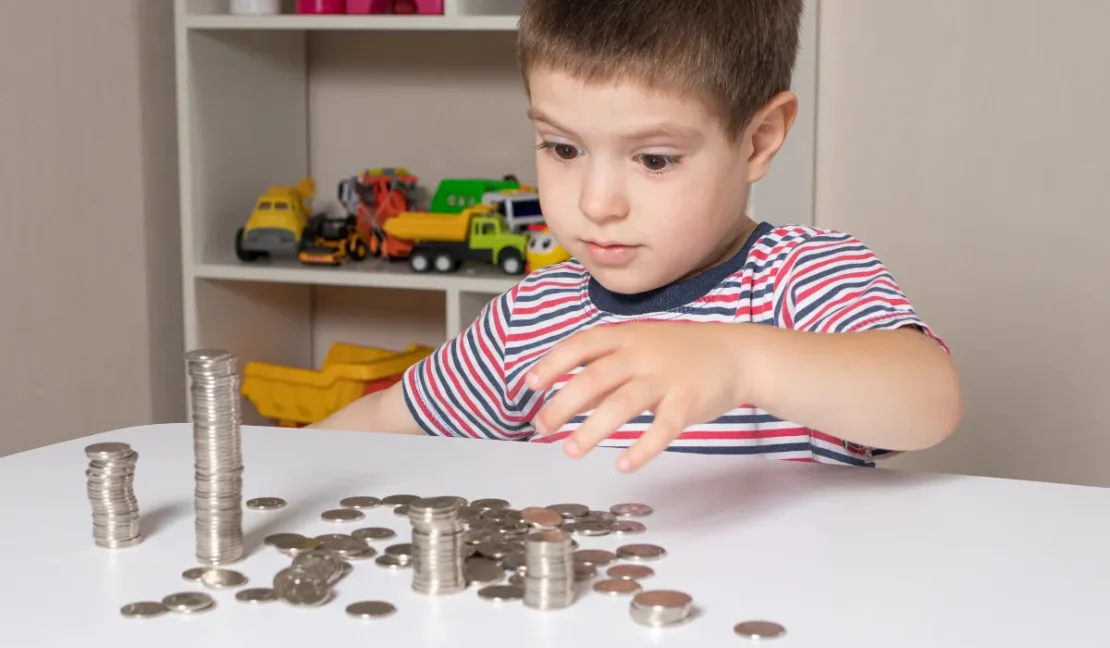
Image Source: Canva
Early Money Concepts That Shape Future Success
Financial literacy for children begins with understanding that money represents value and that we exchange it for things we need and want. In our classrooms at the Educenter BSD Building, we see children grasp this concept naturally through play-based activities that make abstract ideas concrete and understandable.
The concept of earning money through work or effort resonates strongly with young children who already understand fairness and effort-reward relationships. When three-year-old Rico helps clean up the classroom and “earns” a sticker, he’s learning fundamental principles about work and compensation that will serve him throughout his life.
Scarcity and choice-making form another crucial foundation for financial understanding. Children naturally encounter these concepts daily when they must choose between different snack options or decide how to spend their free time. Building on these familiar experiences helps make financial concepts feel relevant and manageable.
Simple Saving Strategies for Young Minds
Preschoolers can absolutely understand and practice saving, especially when the goals are concrete and achievable. We use clear containers where children can see their savings grow, making the abstract concept of accumulating money visual and exciting.
The key to successful saving activities with young children is setting short-term, achievable goals. Saving for a special classroom treat next week works much better than saving for something months away. Children at this age live very much in the present, so saving goals need to match their developmental understanding of time.
We love creating “saving challenges” where children work together toward classroom goals. When everyone contributes their “earnings” from classroom jobs toward a special activity or new toy, children experience the power of collective saving and working toward shared objectives.
Teaching Value Through Hands-On Activities
Understanding that different items have different values becomes clearer through direct comparison and hands-on exploration. Our classroom store activities let children compare prices, make choices about what they can afford, and experience the satisfaction of successful purchases.
Role-playing activities where children take turns being customers and shop owners naturally introduce concepts about money exchange, making change, and customer service. These activities also build social skills while reinforcing mathematical concepts and financial understanding.
Building Smart Spending Habits Early
Teaching children to think before they spend starts with helping them distinguish between wants and needs. This fundamental concept shapes all future financial decision-making and helps children develop thoughtful approaches to money management.
We practice this distinction through everyday classroom situations. When children request new supplies or toys, we guide them through thinking about whether the item is something they need for learning or something they want for enjoyment. Both categories are valid, but understanding the difference helps children make informed choices.
The concept of opportunity cost, while complex in name, is actually quite intuitive for young children. When choosing between two toys, children naturally understand that picking one means not getting the other. Building awareness of this process helps children become more thoughtful decision-makers.
Age-Appropriate Budgeting Games
Simple budgeting activities help children understand that money is limited and must be allocated thoughtfully. We create scenarios where children receive a set amount of play money and must make choices about how to spend it across different categories.
“Party planning” activities provide excellent budgeting practice as children must decide how to allocate limited funds across decorations, food, and activities. These real-world applications help children understand that financial decisions involve trade-offs and prioritization.
Shopping games with price comparisons introduce children to the concept of getting the best value for their money. When children can choose between two similar items with different prices, they begin understanding concepts about quality, value, and smart shopping.
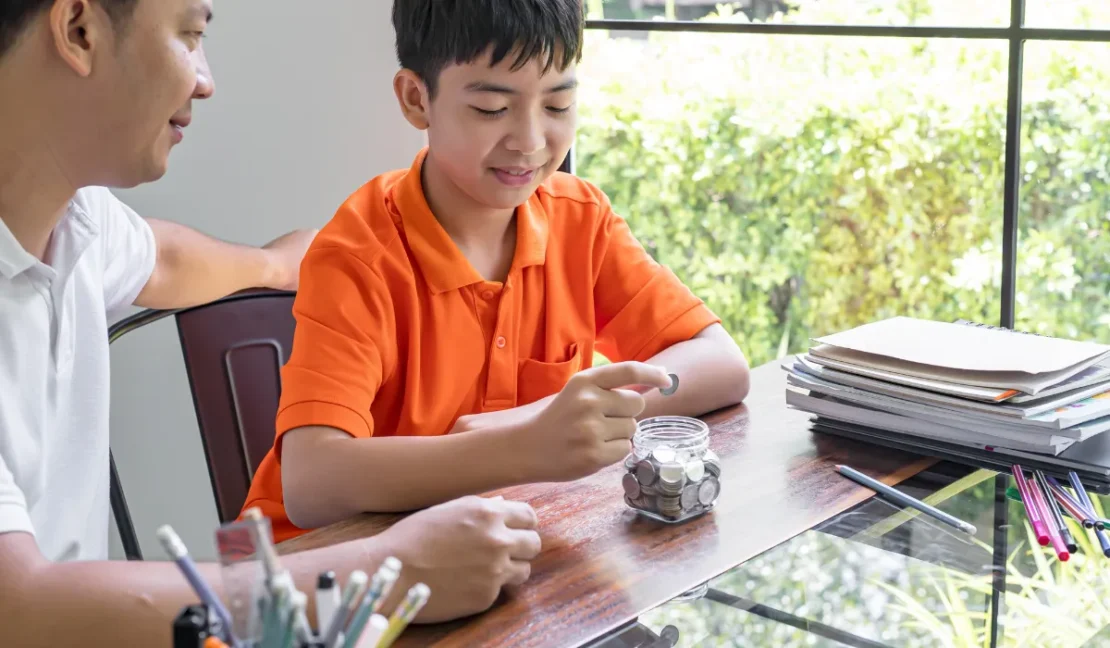
Image Source: Canva
Practical Money Management for Different Ages
Our Toddler classes focus primarily on basic concepts like counting, recognizing different coins, and understanding that we use money to buy things. Simple activities like playing with toy cash registers and pretending to shop build foundational understanding without pressure or complexity.
Pre-Nursery children can handle slightly more complex activities like sorting coins by size or color, matching prices to items, and participating in simple classroom economic activities. The emphasis remains on play and exploration rather than formal instruction.
Nursery and Kindergarten students are ready for more sophisticated financial literacy activities including classroom jobs with “pay,” saving toward goals, and making spending decisions. They can understand concepts like earning money through effort and allocating funds across different priorities.
Creating Money Learning Opportunities at Home
Parents can reinforce financial literacy concepts through everyday activities without creating formal lessons or purchasing special materials. Grocery shopping becomes a math and money lesson when children help compare prices, count items, and stay within budget constraints.
Allowing children to handle money during transactions, even with supervision, provides valuable hands-on experience. The physical act of counting coins, receiving change, and completing purchases makes abstract financial concepts concrete and memorable.
Creating savings goals at home helps children practice delayed gratification and planning. Whether saving for a special toy or family activity, having clear, achievable goals helps children understand the relationship between saving and achieving desired outcomes.
Indonesian Cultural Values and Money Education
Teaching financial literacy within Indonesian cultural contexts means emphasizing community, sharing, and responsible stewardship rather than purely individual wealth accumulation. We help children understand that money is a tool for taking care of family and helping others, not just for personal gratification.
The concept of “gotong royong” translates beautifully into financial education as children learn about pooling resources, sharing costs, and working together toward common financial goals. These collaborative approaches to money management reflect Indonesian values while building practical skills.
Religious and cultural teachings about charity and helping others naturally integrate with financial education. Children learn that part of managing money well includes setting aside funds to help those in need and contribute to community welfare.
Financial literacy for children provides essential life skills that support confident, thoughtful decision-making throughout their lives. At Apple Tree Pre-School BSD, we believe that age-appropriate money education helps children develop healthy relationships with financial resources while building mathematical, analytical, and social skills.
The goal isn’t to create tiny financial experts but rather to help children understand basic concepts about earning, saving, spending, and sharing that will serve them as they grow. When children develop positive associations with money management and understand fundamental concepts early, they’re better prepared for financial independence and success.
Our comprehensive programs integrate practical life skills naturally throughout the curriculum, ensuring children develop real-world capabilities alongside academic knowledge.
Ready to give your child essential life skills that will last forever? We’d love to show you how our holistic approach to early childhood education includes practical financial literacy alongside traditional academics. Send us a WhatsApp message or give us a call at +62 888-1800-900.
Come play and learn with other children, because smart money habits start with smart early education! 💰🏛️✨