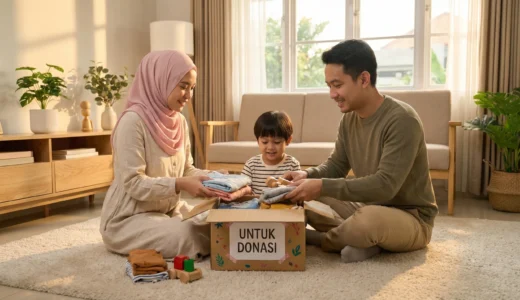

Have you ever watched your child comfort a friend or share a toy without being asked? It’s a beautiful moment, right? Those little instances of kindness are not just random acts; they’re signs of empathy development. But how can we as parents and educators nurture this skill? The good news is that empathy isn’t something that’s either there or not. It’s a skill we can foster in children through simple, everyday activities.
At Apple Tree Pre-School BSD, located in the vibrant Educenter BSD Building, we’re big believers in fostering empathy through play and guided interactions. Today, let’s talk about some fun and easy empathy development activities that can help your child better understand and care for the emotions of others.
Why Empathy Matters for Your Child
Before we dive into the activities, let’s chat about why empathy is so important. Empathy helps children understand others’ feelings and respond in a caring, supportive way. It’s more than just “feeling bad” for someone, it’s about being able to feel with them and understand what they might be going through. This ability to connect emotionally is key to healthy relationships, both now and in the future.
At Apple Tree Pre-School BSD, we know that empathy isn’t just a “nice-to-have” quality, it’s essential for a child’s emotional and social development. Kids who develop empathy early tend to have better relationships with their peers and adults, are more cooperative, and are less likely to engage in negative behaviors.

Image Source: Canva
Fun and Easy Empathy Development Activities for Kids
So, how can we help nurture empathy in our little ones? Don’t worry! The key is to make it fun and natural. Empathy development activities don’t have to be complex. In fact, some of the best activities are simple, hands-on, and designed for play.
1. Role-Playing Games
One of the best ways to teach empathy is through role-playing. Pretend play helps children step into the shoes of others, understanding their feelings and perspectives. This kind of activity allows them to explore different emotional scenarios in a low-pressure setting.
How to do it:
- Create scenarios: Pretend your child is playing the role of a doctor and you are the patient, or they can act as a teacher while you’re the student. You can also swap roles to see how the other person feels.
- Discuss emotions: After the play, ask questions like, “How do you think the teacher feels when the student listens attentively?” or “How would you feel if you were the patient?”
Through this, children can gain a better understanding of how others might feel in various situations, boosting their empathy.
2. Reading Books with Emotional Themes
Stories are powerful tools for helping children connect emotionally with others. Reading books with emotional themes allows kids to explore different feelings like sadness, joy, frustration, and excitement. These stories act as a safe space for children to understand complex emotions.
How to do it:
- Choose picture books or stories where characters face challenges and emotions. Books like The Invisible Boy by Trudy Ludwig or The Color Monster by Anna Llenas are perfect for this.
- After reading, ask questions about the characters’ emotions: “How do you think the character felt when they were left out?” or “What would you do if you were in their shoes?”
This helps children learn to recognize and discuss emotions, both in themselves and others.
3. Helping Others
One of the simplest ways to foster empathy in children is by encouraging acts of kindness. When children help others, they start to connect with the emotions of the person receiving the help, and they begin to understand the value of showing care.
How to do it:
- Set up small tasks where your child can help someone like picking up toys for a friend, helping a sibling, or even doing something kind for a pet.
- Praise the act of helping, focusing on how it made others feel better. You can say, “It looks like your friend felt happy when you helped them.”
This teaches children that helping others is not just about being nice; it’s about making someone else feel valued and supported.
4. Empathy Through Music and Art
Music and art are wonderful outlets for expressing emotions. These activities not only allow children to communicate their feelings, but they also help them connect with the emotions of others. Both music and art are natural ways to explore empathy in a creative, non-verbal manner.
How to do it:
- Art: Encourage your child to draw pictures that express how they’re feeling. You can guide them to create art that depicts an experience where someone was kind or caring.
- Music: Use songs with emotional lyrics and discuss how the music makes them feel. You can also encourage your child to make up their own songs to express different emotions, or simply listen and react to the music.
These creative outlets give children a chance to reflect on their own feelings while becoming more aware of the emotions around them.
5. Playing Games that Promote Sharing and Cooperation
Games that involve sharing, taking turns, and working together are great for promoting cooperation and empathy. These activities allow children to experience what it feels like to share and cooperate with others, giving them a direct way to practice empathy.
How to do it:
- Play board games or card games where your child has to take turns or share the spotlight, like Candy Land or Memory.
- Encourage them to work together on puzzles or building something as a team.
By practicing these types of games, children learn the value of patience, sharing, and empathy for others’ needs and desires.

Image Source: Canva
Let’s Nurture Compassionate, Empathetic Kids!
Empathy is a skill that can be developed with a little guidance, patience, and creativity. By incorporating these empathy development activities into your child’s daily routine, you’ll help them grow into more compassionate, understanding individuals. Whether it’s through pretend play, reading, or helping others, fostering empathy is a gift that will serve your child for a lifetime.
At Apple Tree Pre-School BSD, we believe in the power of empathy as one of the cornerstones of emotional development. Our programs are designed to help children understand and express their feelings while also developing a deep sense of care and concern for others. If you’re looking for a place where your child can grow into a confident, empathetic individual, we’d love to welcome you!
Register now! Come play, learn, and grow with other children in a supportive and empathetic environment!If you have any questions or want to know more about our programs, don’t hesitate to contact us on WhatsApp or call us directly at +62 888-1800-900.